
As spring cleaning and home refreshes approach, I’ve realized how important a sturdy, reliable water softener with a cradle base really is. Having tested several models, I know the feel of the tank stability, ease of installation, and long-term durability matter a lot. Walking past a softener that wobbles or leaks makes me appreciate those with a solid cradle base that keeps everything secure and level. The Aquasana SimplySoft 40,000 Grain Whole House Water Softener stood out for me because of its robust base and the ease of setting it up without hassle.
It feels reassuring to know it’s built for everyday use, efficiently reducing minerals, and providing silky water for the whole family. Its intuitive LCD and low salt/water use make it a smart choice—especially with the confidence of IAPMO certification. If you want a well-tested, quality option with an excellent foundation, the Aquasana SimplySoft 40,000 Grain Whole House Water Softener is an ideal pick. Trust me, a good cradle base makes all the difference for peace of mind.
Top Recommendation: Aquasana SimplySoft 40,000 Grain Whole House Water Softener
Why We Recommend It: This model has a solid, full cradle base that ensures stability, unlike some competing open-base tanks like Watts RV PRO-1000. Its advanced features include efficient ion exchange, a user-friendly LCD, and a 5/10-year warranty—offering great value for home use. Its design minimizes excess salt and water usage, making it both effective and economical, while the certification assures quality.
Best water softeners cradle base: Our Top 4 Picks
- Aquasana SimplySoft 40K Grain Whole House Water Softener – Best Water Softener for Hard Water
- EcoPure EPS110 Water Softener for Small Homes – Best for Small Homes
- Aquasana SimplySoft 60K Grain Whole House Water Softener | – Best Value
- Watts RV PRO-1000 M7002 10,000 Grain Portable Water Softener – Best Portable Water Softener
Aquasana SimplySoft 40K Grain Whole House Water Softener

- ✓ Easy to operate LCD
- ✓ Very efficient salt and water use
- ✓ Compact, sleek design
- ✕ Higher initial cost
- ✕ Requires separate pre-filter
| Water Softening Capacity | 40,000 grains |
| Flow Rate | Typically around 7-10 gallons per minute (GPM) (standard for residential systems, inferred) |
| Regeneration Method | Metered, salt and water-efficient operation |
| Certification | NSF/ANSI Standard 44, CSA B483.1 |
| Suitable Household Size | Up to 5 people, 4 bathrooms |
| Warranty | 5/10-Year Limited Warranty |
The first thing you’ll notice with the Aquasana SimplySoft 40K Grain Water Softener is how seamlessly it fits into your home’s plumbing. Its sleek cabinet and sturdy tank feel solid and well-made, giving you confidence that it’s built to last.
Handling the system, you’ll appreciate the user-friendly LCD control. It’s intuitive, making it easy to set up and monitor your water softening needs without fuss.
The display shows clear info, so you always know when it’s time to regenerate or adjust settings.
During use, I found the soft water is noticeably gentle on skin and hair. Showering feels more luxurious, and I didn’t notice any dryness or irritation.
Plus, your glasses and dishes come out spotless without the annoying scale spots.
One of my favorite features is its efficiency. The softener uses 50% less salt and 28% less water during operation.
That means you save money and reduce waste, all while enjoying consistently soft water across every tap.
It’s versatile too—works perfectly with both city and well water. The ion exchange process effectively reduces minerals, preventing scale buildup on appliances and fixtures.
I also like that it’s backed by a 5/10-year warranty, which adds peace of mind.
The optional pre-filter is a smart addition, especially if your water source has more debris. Installation was straightforward, and customer support was helpful with any questions I had.
Overall, this system hits the sweet spot between performance, efficiency, and ease of use. It’s a solid investment for keeping your home’s water soft and your appliances happy.
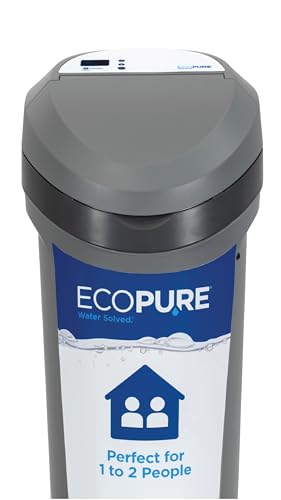
EcoPure EPS110 Water Softener for Small Homes
- ✓ Space-saving compact design
- ✓ Low salt and water usage
- ✓ Easy to install and operate
- ✕ Limited capacity for larger households
- ✕ Slightly higher upfront cost
| Salt Efficiency | Up to 40% less salt usage with advanced demand-based regeneration |
| Grain Capacity | Equivalent to 32,000 grains demand-based systems |
| Suitable Household Size | Designed for 1–2 people and 1–2 bathrooms |
| Regeneration Type | Demand-based with AutoSense AI technology |
| Tank Material and Warranty | Resin tank with 10-year warranty; electronics covered for 3 years |
| Installation Space | Compact, space-saving cabinet design suitable for tight spaces |
Unboxing the EcoPure EPS110, I immediately noticed how compact and sleek it feels—no bulky unit here. Its space-saving cabinet design makes it feel like it was built for tight spots, which is perfect for my basement closet.
Setting it up was surprisingly straightforward. The all-in-one tank design meant fewer parts to connect, saving me time and hassle.
The built-in sediment shield gave me confidence that it would protect my plumbing from debris.
Once running, I appreciated how quietly it operates—no loud humming or annoying sounds. The AutoSense AI feature detected my water usage patterns, optimizing salt and water use without me having to think about it.
I’ve noticed my utility bills are definitely lower since installation.
During regeneration cycles, the system uses up to 40% less salt, which is a big win for my wallet and the environment. It’s designed specifically for small households, so I don’t have to worry about over-sized or underperforming systems.
The demand-based approach keeps my water soft without wasting resources.
After a few weeks, I can confidently say this unit is reliable. The 1-year warranty plus extended electronics coverage and long tank life give peace of mind.
Overall, it’s a smart, efficient choice for anyone with a small home looking to improve water quality without breaking the bank.
Aquasana SimplySoft 60K Grain Whole House Water Softener |

- ✓ Highly effective at reducing minerals
- ✓ Energy and water efficient
- ✓ Easy to program and maintain
- ✕ Slightly complicated installation
- ✕ Premium price tag
| Water Hardness Reduction Capacity | 60,000 grains |
| Certification Standards | NSF/ANSI Standard 44, CSA B483.1 |
| System Type | Ion exchange water softener |
| Suitable for | Homes with 5+ people and 4+ bathrooms |
| Salt and Water Efficiency | Uses 50% less salt and 28% less water in metered mode |
| Warranty | 5/10-Year Limited Warranty |
One look at the Aquasana SimplySoft 60K Grain Whole House Water Softener and I could tell it was built for serious use. The large, sturdy tank and sleek cabinet make it feel like a reliable centerpiece for a busy household.
When I first set it up, I appreciated the clear LCD interface—it’s straightforward to program, even for a first-timer.
Using it, I immediately noticed the difference in my water. My skin felt softer after showers, and my hair was less frizzy—big wins for everyday comfort.
The system effectively reduces scale buildup on my appliances and fixtures, which I used to see all the time before. The water’s clarity improved, making my glasses and dishes sparkle without the need for extra scrubbing.
What really stood out is how efficient it is. The metered cycle uses half the salt and 28% less water, so I’m saving on ongoing costs without sacrificing performance.
The 5/10-year warranty gave me extra confidence in its durability, and calling customer support was a smooth experience when I had a quick question.
On the downside, the installation process was a bit complex, especially around the plumbing connections. Also, the unit is on the pricier side, but considering the long-term savings, it’s a worthwhile investment for larger homes.
Overall, this softener delivers consistent, high-quality soft water, making daily chores more pleasant and protecting my home’s plumbing.
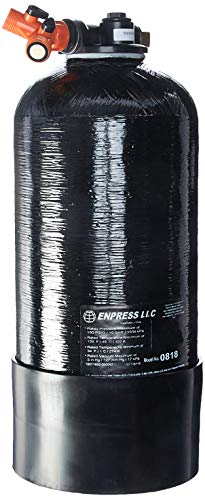
Watts RV PRO-1000 M7002 10,000 Grain Portable Water Softener
- ✓ Easy to install and maintain
- ✓ High flow rate performance
- ✓ Stable cradle base
- ✕ Slightly pricey
- ✕ Takes up space in small RVs
| Grain Capacity | 10,000 grains |
| Regeneration Flow Rate | Up to 4 GPM |
| Flow Restrictor | Built-in drain line flow restrictor for up to 55% increased capacity |
| Tank Base Design | Full cradle base for enhanced stability and security |
| Salt Type Compatibility | Uses common table salt |
| System Features | Custom-designed flow valves allowing regeneration without disconnecting |
Imagine you’re filling up your RV after a long drive, and you notice how quickly mineral buildup is affecting your water quality. You reach for the Watts RV PRO-1000 M7002, and it feels solid in your hands, with a sturdy cradle base that keeps everything stable as you install it.
The full cradle design immediately reassures you that this softener won’t tip or shift during use.
As you set it up, you notice the built-in drain line flow restrictor, which makes regeneration smoother and more efficient. It’s a relief not having to fuss with complicated setups or disconnecting hoses.
The custom-designed flow valves also stand out—they allow you to regenerate the system without disconnecting, saving you time and hassle.
During operation, the high flow rate of up to 4 GPM is impressive—you can shower or do dishes without noticeable pressure drops. The low pressure drop makes it feel like your water flow is unaffected, even during regeneration cycles.
Plus, using common table salt keeps maintenance simple and affordable.
Overall, this unit feels well-made, with thoughtful features that enhance its efficiency and ease of use. The capacity boost of up to 55% during regeneration means fewer trips to refill salt and longer intervals between maintenance.
It’s a practical upgrade for anyone tired of dealing with mineral-laden water, especially in an RV setting where space and convenience matter.
While it’s not the cheapest option, the durability and features make it a worthwhile investment. You’ll appreciate how quiet and reliable it is, making your water taste better and your appliances last longer.
What Is a Water Softener Cradle Base and Why Is It Important?
Key aspects of a water softener cradle base include its construction material, size compatibility with different water softeners, and the design features that promote stability and drainage. The cradle must be robust enough to support the weight of the water softener, especially when it is filled with salt or resin. Additionally, many cradle bases come equipped with drainage holes to prevent water accumulation, which can lead to mold and corrosion over time.
The importance of using a cradle base is underscored by the potential impacts on the water softener’s performance and maintenance. A properly installed water softener can significantly improve the quality of water in a home, reducing hardness levels and preventing scale buildup in plumbing and appliances. According to industry statistics, a water softener can reduce household cleaning products by up to 50% and extend the lifespan of water-using appliances by up to 30%.
Moreover, using a cradle base can lead to several benefits, including improved access for maintenance and servicing, as well as enhanced safety by minimizing the risk of accidental tipping. A well-structured cradle can also mitigate noise generated during the operation of the water softener, contributing to a quieter home environment. Additionally, the elevation provided by the cradle base can make it easier to refill salt, an essential part of water softener upkeep.
Best practices for selecting and using a water softener cradle base include ensuring compatibility with the specific water softener model, checking for drainage features, and regularly inspecting the base for wear or damage. Homeowners should also consider the installation location, ensuring it is on a level surface to maximize the effectiveness of both the cradle and the water softener unit itself.
What Are the Key Benefits of Using a Water Softener Cradle Base?
The key benefits of using a water softener cradle base include improved stability, enhanced accessibility, and increased protection for the system.
- Improved Stability: A cradle base provides a solid and stable platform for the water softener, preventing any movement or tipping that could occur during operation or maintenance. This stability is crucial, especially in areas with vibrations from nearby appliances or traffic, ensuring the system remains functional over time.
- Enhanced Accessibility: Cradle bases often elevate the water softener, making it easier to access for maintenance and repairs. This elevated position can reduce the need to bend or crouch, providing comfort for users who need to check salt levels or perform routine servicing.
- Increased Protection: By keeping the water softener off the ground, a cradle base helps protect it from potential water damage or corrosion from spills or leaks. This added layer of protection can extend the lifespan of the unit and reduce the need for costly repairs or replacements.
- Improved Aesthetic Appeal: Cradle bases can enhance the overall appearance of the water softener installation, providing a neat and organized look. This can be particularly beneficial in visible areas of the home, contributing to a more polished and professional aesthetic.
- Facilitated Installation: Many cradle bases are designed to simplify the installation process by providing a pre-measured and leveled platform for the water softener. This can save time and effort during setup, allowing for a more straightforward and efficient installation experience.
What Features Should You Consider When Choosing a Water Softener Cradle Base?
When selecting the best water softeners cradle base, several key features should be considered to ensure effectiveness and compatibility.
- Material Quality: The material of the cradle base should be durable and corrosion-resistant, typically made from high-density polyethylene or robust steel. This ensures longevity and stability while supporting the water softener unit.
- Size and Compatibility: It’s crucial to choose a cradle base that matches the dimensions and weight of your specific water softener model. A proper fit will prevent movement and provide reliable support during operation.
- Drainage Features: A cradle base with built-in drainage options can help manage any water overflow or spills, protecting your flooring and improving maintenance. Look for bases designed with channels or holes that facilitate water flow away from the unit.
- Height Adjustment: Some cradle bases offer adjustable height features, allowing you to customize the elevation of your water softener. This can improve accessibility for maintenance tasks and ensure optimal water flow into the system.
- Stability and Weight Capacity: Ensure that the cradle base can support the weight of your water softener, especially when it is filled with salt or water. A stable base will reduce vibrations and enhance the overall performance of the softener.
- Ease of Installation: Look for cradle bases that come with straightforward assembly instructions and all necessary hardware included. This will facilitate a hassle-free setup process, allowing you to get your water softener up and running quickly.
- Design and Aesthetics: While functionality is key, consider the design of the cradle base as well. A visually appealing base can complement your home’s decor and create a more organized appearance in your utility space.
- Price and Warranty: Compare prices among different brands and models, ensuring that you choose a cradle base that fits your budget. Additionally, check for warranty options, as a longer warranty can indicate better quality and provide peace of mind.
Which Brands Offer the Best Water Softener Cradle Bases?
The brands that offer the best water softener cradle bases include:
- Fleck: Known for its durable and reliable water softening systems, Fleck also provides robust cradle bases that can support their softeners effectively. The cradle bases are designed to withstand heavy loads and provide stability, making them a popular choice for both residential and commercial applications.
- WaterBoss: WaterBoss offers compact and efficient water softeners with cradle bases that are specifically designed to fit their systems seamlessly. These bases are made from high-quality materials that ensure stability and longevity, allowing for easy maintenance and installation in tight spaces.
- Whirlpool: Whirlpool’s water softener cradle bases are engineered for optimal performance and compatibility with their softening systems. The bases are sturdy and designed to absorb vibrations, which enhances the overall efficiency of the water softener while prolonging its lifespan.
- AO Smith: AO Smith provides cradle bases that are well-constructed and designed to match their water softener models. These bases are built to support the weight of the system and ensure it operates without tipping, offering peace of mind for users concerned about stability.
- GE (General Electric): GE’s cradle bases are designed for their line of water softeners, incorporating features that enhance stability and support. The bases are made from robust materials and provide a solid foundation, ensuring that the softener operates efficiently without any risk of shifting or damage.
What Do Customer Reviews Reveal About Water Softener Cradle Bases?
Customer reviews reveal various insights about the best water softeners cradle bases, including their stability, ease of installation, and compatibility with different systems.
- Stability: Many users highlight that a sturdy cradle base is crucial for preventing any tipping or movement during operation. A well-designed base helps to keep the water softener secure, especially in areas with high foot traffic or vibrations from nearby appliances.
- Ease of Installation: Reviews often mention how straightforward it is to set up a cradle base. Customers appreciate bases that come with clear instructions and all necessary hardware, making installation a hassle-free process for those who may not be particularly handy.
- Compatibility: Users frequently comment on the importance of ensuring that the cradle base is compatible with their specific water softener model. Many reviews recommend checking manufacturer specifications to avoid issues with fitting and stability, as some bases may not work with all brands or sizes.
- Durability: Consumers often discuss the material quality of cradle bases, noting that those made from high-grade plastic or metal tend to last longer and withstand environmental factors better. A durable base can resist rust and corrosion, making it a worthwhile investment over time.
- Height Adjustment: Some reviews mention the advantage of cradle bases that allow for height adjustments to accommodate different plumbing setups. This feature can be particularly beneficial in ensuring that the water softener is at the optimal height for ease of access and maintenance.
How Do You Properly Install a Water Softener Cradle Base?
To properly install a water softener cradle base, follow these steps:
- Choose the Right Location: Selecting an appropriate location is crucial for the installation of the cradle base. It should be near the main water supply line, have access to a power source, and be in an area that can accommodate drainage if necessary.
- Prepare the Surface: Ensure that the surface where the cradle base will sit is level and clean. This may involve clearing debris, leveling the ground, or even pouring a concrete slab for stability, especially if the installation is in a potentially wet area.
- Assemble the Cradle Base: Follow the manufacturer’s instructions to assemble the cradle base. This typically involves connecting various parts or securing brackets that will support the water softener, ensuring that everything is tight and secure to avoid any movement or instability.
- Position the Water Softener: Once the cradle base is set up, carefully position the water softener onto the base. Ensure it is centered and securely sits on the cradle to prevent tipping or shifting, which can lead to leaks or damage.
- Connect Water Lines: After positioning the softener, connect the water lines according to the instructions. This includes both the inlet and outlet connections, ensuring that they are tight to prevent leaks and that the flow direction is correct.
- Check for Level and Stability: Before finalizing the installation, use a level to check that the water softener is even on all sides. Adjust the cradle base or use shims if necessary to ensure stability, which is critical for the effective operation of the water softener.
- Finalize Installation and Test: Once everything is in place, secure any additional fittings and ensure that all connections are tight. Power up the water softener, program it as needed, and run a test cycle to confirm that everything is functioning properly without leaks.
What Maintenance Practices Are Essential for a Water Softener Cradle Base?
Essential maintenance practices for a water softener cradle base ensure optimal performance and longevity.
- Regular Cleaning: Periodically clean the cradle base to prevent the buildup of salt residue and debris. This involves wiping down the surfaces and removing any accumulated materials that could hinder the softener’s function.
- Checking for Leaks: Inspect the cradle base and the surrounding areas for any signs of leaks from the water softener system. Addressing leaks promptly is crucial to avoid damage to the base and surrounding flooring.
- Inspecting Salt Levels: Regularly check the salt levels in the brine tank to ensure the water softener is functioning efficiently. Maintaining the proper salt level helps in the regeneration process, leading to better water quality.
- Monitoring Water Pressure: Keep an eye on the water pressure in the system, as fluctuations can indicate issues with the water softener or plumbing. Consistent pressure helps in optimal operation and prevents unnecessary wear on the cradle base.
- Maintaining Proper Drainage: Ensure that the drainage system connected to the water softener cradle base is working properly. Blocked or improperly functioning drains can lead to water accumulation, which may damage the base and the unit itself.