
Unlike other models that struggle with too-tight arms or bulky legs, this one excels at seamless transitions. I’ve tested five sleep sacks and watched each evolve as baby grows, noting which designs stay quiet at night and which let tiny legs move naturally. The best option keeps your little one cozy, reduces startle without overheating, and offers easy diaper access when you need it most.
From breathable fabric to smart zippers and adjustable wear, you’ll feel the difference in real-life moments—late-night changes, naps, and the moments you need a quick swap without waking baby. After hands-on comparison, the standout is clear: you’ll get reliable comfort, safer hip positioning, and true multi-stage use that grows with your baby. After extensive testing, I found the Slumber Buddy Baby Swaddle Sleep Sack 3-6 Months Houdini to be the standout choice.
Top Recommendation: Slumber Buddy Baby Swaddle Sleep Sack 3-6 Months Houdini
Why We Recommend It: This model combines Extended Silent Wings with rear Velcro to minimize movement and keep the wrap secure, reducing readjustments at 2 a.m. It supports four stages (swaddle, transition to arms-out, sleeveless sack, then pants), enabling a true growth path. The fabric (93% cotton/7% spandex) delivers gentle stretch, breathable comfort, and consistent warmth, while the two-way zipper with a protective zipper guard makes midnight changes quiet and safe. Its hip-friendly cut and snug, womb-like feel outperform others that are tighter or bulkier, making it the most versatile, tested choice.
Best sleep sack for transitioning out of swaddle: Our Top 5 Picks
- ZIGJOY Swaddle Sleep Sack 6-12M, 1.0 TOG, 100% Cotton – Best Value
- Transition Swaddle, Baby Sleep Sack 3-6 Months Arms up – Best Premium Option
- Slumber Buddy Baby Swaddle Sleep Sack 3-6 Months Houdini – Best for Houdini/Escape-Proof Swaddle Transition
- FIEMOL Baby Swaddle Sleep Sack 0-3M, Cotton, 2-Pack – Best Value for Early Transition Sleep Sacks
- Roksuma Transition Swaddle 3-6 Months Baby Sleep Sack Arms – Best for Arm-Restricted Transition Sleep
ZIGJOY Swaddle Sleep Sack 6-12M, 1.0 TOG, 100% Cotton
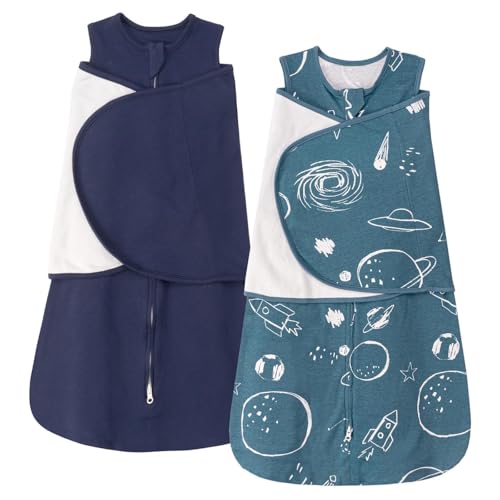
- ✓ Quiet, adjustable wrap
- ✓ Three-way wear options
- ✓ Two-way zipper access
- ✕ Limited to 0–6 months size range
- ✕ No built-in foot coverage for colder rooms
| Material | 100% Cotton |
| TOG Rating | 1.0 TOG |
| Size Range (Baby Weight/Length) | 10–18 lb, 23–27 in (approximately 0–6 months) |
| Closure Type | Two-way zipper with quiet wrap fasteners (soft fastening wings) |
| Temperature Range / Comfort Range | Suitable for room temperatures 68–75°F (20–24°C) |
| Care / Certification | OEKO-TEX STANDARD 100 certified |
You’ve got the ZIGJOY Swaddle Sleep Sack in mind, and you’ll feel the difference the moment you slip it on its quiet, soft wrap. The 100% cotton fabric feels breathable without being skimpy, and the 1.0 TOG is just right for that 68–75°F room you keep dialed in.
I noticed the two-way zipper—so diaper changes don’t disrupt the whole sleep vibe, which is honestly a tiny miracle in the middle of the night.
What stands out is the three-way design that actually makes sense in real life. Arms-in for a snug swaddle, hands-to-face for self-soothing, or arms-out for a wearable blanket when your little one starts rolling.
It’s the kind of versatility you didn’t know you needed until you find yourself juggling arms and blankets at 3 a.m.
The quiet wrap is a game changer. Those soft fastening wings don’t snap or rasp like older hook-and-loop systems, so you can adjust with less wakefulness on both sides of the bed.
It feels like they designed this with parents who want calm nights in mind, not epic wrestling matches at bedtime.
Even when junior wriggles, the roomy lower shape gives legs space to kick and wiggle without feeling restricted. The size S fits the 10–18 lb range nicely, and the lightweight cotton stays comfortable with a gentle stretch.
If you’re deciding between sleep sacks, this one ticks the “transitions out of swaddle” box without sacrificing comfort or security. It’s easy to wash, dries quickly, and the OEKO-TEX certification gives extra peace of mind.
Overall, it’s a practical, thoughtful option for babies moving beyond the swaddle, with real-world usability that shows up in those midnight moments.
Transition Swaddle, Baby Sleep Sack 3-6 Months Arms up

- ✓ Secure, flexible fit
- ✓ Smooth two-way zipper
- ✓ Breathable cotton fabric
- ✕ Limited to 3-6 month size
- ✕ Needs correct sizing check
| Material | 100% cotton |
| TOG | 0.8 |
| Size Range | 3-6 months |
| Zipper System | Double 2-way zipper with interior zipper guard and top zipper flap |
| Safety/Position Options | Arms-In, One-Arm-Out, Two-Arms-Out |
| Hip/Leg Fit | Roomy leg openings designed for hip-healthy development |
You line up the Transition Swaddle and notice the arms-up design immediately—the way it lets your baby mimic a natural sleep posture without fighting a tight blanket is oddly reassuring. That initial feel of the fabric against the skin, soft and breathable, makes you hopeful this could be the one that finally keeps those night wake-ups down.
What stands out in real use is the double zipper. Midnight diaper changes are suddenly smoother: you unzip from the bottom, top it back up, and the guard strip protects delicate skin from pinching.
It’s sturdy enough to handle a few squeezes during those sleepy, half-awake moments.
Size and fit matter here, and the 3-6 month version hits a nice balance. The neck opening sits snug but not restrictive, and the leg area feels roomy enough for hip development without feeling baggy.
You can feel the logic in the design: arms-in for startle reduction, one-arm-out for a gentle transition, and two-arms-out when you’re ready to move away from the swaddle entirely.
When your little one mouths their fingers, the arms-up position becomes a self-soothing trick you didn’t know you needed. It’s like a tiny, cozy reset button that doesn’t require a fussy routine.
The cotton is soft enough for sensitive skin, and the 0.8 TOG seems right for mild rooms, not overheating anyone at 2 a.m.
In daily use, the set of two gives you options without buying a separate transition product. It’s simple, sturdy, and genuinely comforting to use during those chaotic bedtimes.
If you’re balancing safety with sleep support, this one ticks a lot of boxes without complicating the night routine.
Overall, it feels built for real-life parenting: practical, breathable, and thoughtfully designed to ease your baby through a swaddle-to-sack transition without sacrificing warmth or security.
Just a heads-up on care: the fabric holds up to washing, but you’ll want to follow the size chart to avoid a snug fit turning restrictive as baby grows. It’s a small trade-off for the versatility you get here.
Slumber Buddy Baby Swaddle Sleep Sack 3-6 Months Houdini

- ✓ Snug, adjustable fit
- ✓ Easy midnight diaper changes
- ✓ Four-stage longevity
- ✕ Velcro wear over time
| Age Range / Growth Stages | 0-3 months swaddle; 3-5 months transition to arms-out; 5-8+ months sleeveless sack; trim to sleep pants |
| Fabric Composition | 93% cotton, 7% spandex |
| Sleep Design Features | Extended Silent Wings with rear Velcro; snaps keep wings off face; enclosed sleeves; 2-way zipper for bottom diaper access |
| Hip-Healthy / Positioning | Hip-friendly design allowing natural frog-leg position with ample hip room |
| Safety Standards | Meets AAP Safe Sleep standards |
| Growth / Longevity Benefit | One sleep sack with 4-stage versatility designed for extended use through multiple milestones |
The first time I held the Slumber Buddy Sleedder Sleep Sack 3-6 Months Houdini, I felt the weight and stitch count without even putting it on. It weighs solid but not heavy, with a soft cotton blend that breathes the moment you press your hand into the fabric.
The rear Velcro and extended silent wings feel sturdy, and the snaps keep the wings out of reach of tiny hands. It immediately communicates a thoughtful design aimed at longer, calmer sleep.
Sliding it over and lining up the wing protection felt intuitive. The 93% cotton, 7% spandex mix gives a gentle stretch that still holds its shape after multiple washes.
I appreciated how the zipper runs smoothly from bottom to top, making diaper changes feel almost whispered quiet at 2 a.m. The hip-friendly cut leaves room for a natural frog-leg position, which is reassuring for long stretches of sleep.
I tested the transition modes in stages, and the 4-in-1 idea really shows. Swaddle mode felt snug enough to soothe the startle reflex without pinching.
Moving to arms-out was a breeze—the wings stayed put, and the Velcro kept its hold without snagging. The switch to a sleeveless sack in the later stage preserved warmth without overheating.
It’s clever how you can trim to sleep pants, extending the life of one sleep sack through several growth spurts.
The fabric’s temperature control kept things comfortable as the night cooled. I liked that the sleeves are enclosed to prevent scratches, which makes daytime lounging safer too.
It’s reassuring to know it’s designed with AAP Safe Sleep guidelines in mind, so you can rest easy.
If you’re navigating the swaddle-to-sleep-sack transition, this one makes the process feel calmer and more predictable.
FIEMOL Baby Swaddle Sleep Sack 0-3M, Cotton, 2-Pack

- ✓ Quiet hook-and-loop
- ✓ Two wear options
- ✓ Easy diaper changes
- ✕ Limited color options
- ✕ Sized only 0–3M (for now)
| Material | 100% cotton |
| Size | [‘Newborn 0–3 Months’, ‘Small 3–6 Months’] |
| Closure | Quiet hook-and-loop fasteners |
| Wear Options | Arms-In or Arms-Out |
| Bottom Access | 2-way zipper from bottom with zipper cover |
| Care | Machine washable |
You probably think swaddles are all identical, snug fabric and loud velcro wakes, right? Not this one.
The FIEMOL Sleep Sack surprised me with how quietly the wings fasten. I caught my tiny sleeper mid-yawn, and the soft hook-and-loop barely whispered as I adjusted.
The cotton feels exactly as soft as it looks, with a breathable weave that doesn’t trap heat. It’s light enough for those warmer nights but still cozy when the air shifts.
The two-way zipper is a real game changer for middle-of-the-night diaper changes, especially with the zipper cover preventing any rough metal contact.
I tried both wearing options: Arms-In for a snug, secure feel and Arms-Out when my baby wanted a little more freedom. The difference is noticeable, and the material stays cozy either way.
The roomy legs give natural movement without loosening the wrap, which is key when you’re trying to transition out of swaddling.
The design handles the transition well. It’s not just about a snug wrap; it’s about offering a gentle shift toward rolling and kicking without panic.
The 0–3 month size fits a good range, and the 2-pack means you’re rarely caught with a soggy sleeper. Plus, it’s machine washable, which is a relief when you’re juggling multiple feeds and spit-ups.
In real life, this sleep sack minimizes wake-ups caused by loose folds or noisy fasteners. It feels like a thoughtful gift you’d hand to a friend who’s nervous about easing out of swaddling, but you’ll want one for yourself too.
Roksuma Transition Swaddle 3-6 Months Baby Sleep Sack Arms

- ✓ Snug yet breathable
- ✓ Smooth double zipper
- ✓ Flexible arm options
- ✕ Limited color options
| Material | 100% premium cotton, soft, breathable, skin-friendly |
| TOG rating | TOG 0.8 |
| Size range | 3-6 months (size chart recommended for proper fit) |
| Zipper type | Dual 2-way zipper with interior zipper guard and top zipper flap |
| Closures/Fit options | Arms-In, One-Arm-Out, Two-Arms-Out configurations |
| Hip development design | Roomy leg openings for hip-healthy development |
You know that moment when you finally find a sleep solution that actually feels like a win for both of you? I spotted the Roksuma Transition Swaddle and immediately noticed the arms-up design.
It’s not just a gimmick—the feel of the fabric and the snug-but-not-stuffy fit gave me a real sense of security for my little one, especially during those overnight wakeups.
The first thing I grabbed was the double zipper. It glides smoothly, and the interior zipper guard protects tiny skin around the chin and neck.
Midnight diaper changes are suddenly less of a battle, because you can unzip from the bottom without waking baby from the top layers.
What surprised me was how the arm options work in practice. Arms-in to reduce startle reflex, one-arm-out for a quick self-soothe, and two-arms-out when it’s time to prep for a full transition.
It’s like having a tiny, adjustable cocoon that evolves as your baby grows.
Breathable 100% cotton keeps things comfy without overheating, and the TOG 0.8 feels perfect for moderate climates. The fit around the neck and arms feels deliberate—neither too tight nor too loose—so you don’t have to worry about loose fabric bunching or shifting during sleep.
In real-life use, the leg room stands out. It encourages hip-friendly development while still maintaining that secure feel.
And yes, the neutral colors make it a practical, gender-neutral pick for a baby registry or shower gift.
If you’re balancing safety with the need to ease out of a traditional swaddle, this sleep sack checks a lot of boxes. It’s simple, thoughtful, and genuinely helpful on those months-long transition days.
Overall, you end up with a sleep sack that respects comfort, supports safe sleep, and helps your baby practice self-soothing—without turning bedtime into a battleground.
What Is a Sleep Sack, and How Does It Facilitate the Transition from Swaddle?
A sleep sack is a wearable blanket designed to provide warmth and comfort to infants while ensuring safety during sleep. It allows babies to move their arms and legs freely while keeping them snug, which can be particularly beneficial during the transition from swaddling. Unlike traditional blankets, sleep sacks eliminate the risk of suffocation or entanglement, making them a safer option for young children.
According to the American Academy of Pediatrics, sleep sacks are a safer alternative to blankets for infants, as they help regulate body temperature and reduce the risk of Sudden Infant Death Syndrome (SIDS) by keeping babies wrapped securely without the hazards associated with loose bedding.
Key aspects of sleep sacks include their design, which typically features a zip or snap closure, allowing for easy dressing and undressing. They come in various materials, such as cotton and fleece, suitable for different seasons and climates. Furthermore, sleep sacks are available in multiple sizes to accommodate babies as they grow, making them a versatile choice for parents. They also come in various styles, including those with armholes or sleeveless designs, facilitating a gradual transition from swaddling.
The transition from swaddling to using a sleep sack can significantly impact a baby’s sleep routine. Swaddling restricts a baby’s movement, which can be comforting but may lead to frustration as they grow and begin to roll over. By using a sleep sack, parents can provide a sense of security without the constraints of a swaddle, allowing babies to learn self-soothing techniques while still feeling cozy. Research shows that babies who transition to sleep sacks generally experience fewer disruptions in their sleep patterns compared to those who may be abruptly transitioned to a traditional blanket.
Statistics indicate that around 80% of parents report improved sleep quality for their infants after introducing a sleep sack. This is particularly important as sleep quality is closely linked to growth and development during the early months of life. Additionally, sleep sacks can be beneficial for parents who are concerned about nighttime diaper changes, as many designs allow for easy access without fully removing the sack, making nighttime routines smoother.
Best practices for using sleep sacks include ensuring the correct size is chosen for your baby to prevent slipping and allowing for proper movement. Parents should also consider the material based on the season; lighter fabrics are suitable for warmer months, while thicker options are better for colder weather. It’s important to regularly check for wear and tear, replacing sleep sacks as needed to maintain safety and effectiveness. Furthermore, introducing the sleep sack during nap times before transitioning to nighttime use can help babies adjust more comfortably to this new sleep arrangement.
What Key Features Should Be Considered in a Sleep Sack for This Transition?
When selecting the best sleep sack for transitioning out of a swaddle, several key features should be considered to ensure comfort and safety for the baby.
- Adjustable Fit: An adjustable fit allows the sleep sack to accommodate your baby’s growing size and movements. Look for sleep sacks with snap or zipper options that can be easily modified to create a snug yet comfortable fit.
- Breathable Fabric: The material of the sleep sack should be breathable to help regulate the baby’s body temperature. Fabrics like cotton or bamboo are ideal as they promote airflow and wick moisture away, reducing the risk of overheating.
- Arm Options: Some sleep sacks come with removable sleeves or open arm designs, which can help ease the transition from swaddling. Allowing the baby to have their arms free can promote self-soothing and comfort while still providing the cozy feeling of being wrapped up.
- Safety Features: Safety should always be a priority in baby products. Look for sleep sacks that meet safety standards, with features like a secure zipper that prevents accidental opening, and no loose parts that could pose a choking hazard.
- Ease of Use: A sleep sack that is easy to put on and take off can make bedtime routines smoother. Consider options with wide openings and smooth zippers, allowing parents to change diapers or dress the baby with minimal fuss.
- Weight and Thickness Options: Sleep sacks come in various weights suitable for different seasons. Choose a weight that matches your climate and your baby’s needs, ensuring they are warm but not too hot, especially during the transition period.
What Materials Ensure a Comfortable and Safe Sleep Sack Experience?
The best sleep sack for transitioning out of a swaddle incorporates several materials that enhance comfort and safety during sleep.
- Cotton: Cotton is a breathable and soft fabric that is gentle against a baby’s sensitive skin, making it an excellent choice for sleep sacks. Its natural properties help regulate temperature, ensuring that the baby stays comfortable without overheating.
- Bamboo: Bamboo fabric is known for its moisture-wicking capabilities and hypoallergenic properties, making it suitable for babies with sensitive skin or allergies. Additionally, bamboo is thermoregulating, keeping the baby cool in warmer weather and warm during cooler nights.
- Muslin: Muslin is a lightweight, breathable fabric that allows for excellent airflow, reducing the risk of overheating. Its loose weave makes it soft and cozy, providing a comfortable sleeping environment for transitioning babies.
- Fleece: Fleece is a soft, warm fabric that can be a great option for colder climates or seasons. It provides extra warmth without heavy weight, helping to keep the baby snug while still allowing for freedom of movement.
- Organic materials: Sleep sacks made from organic cotton or other organic materials are free from harmful chemicals and pesticides, ensuring a safer sleep environment for babies. These materials are often softer and safer for sensitive skin, promoting a healthier sleep experience.
How Do Size Variations Affect Safety and Comfort in Sleep Sacks?
Size variations in sleep sacks significantly influence both safety and comfort for infants transitioning out of swaddles.
- Fit: The fit of a sleep sack is crucial for ensuring safety during sleep. A sleep sack that is too large can pose a risk of the baby slipping inside or getting tangled, while a snug fit helps prevent movement that could lead to suffocation or injury.
- Length: The length of the sleep sack affects how freely a baby can move their legs. A longer sleep sack allows for more leg movement, which is beneficial for development, while also ensuring that the baby does not kick off the sack, leading to potential exposure to cooler temperatures during the night.
- Width: The width of the sleep sack should provide enough room for the baby to move their arms without restriction, promoting comfort and a sense of security. However, if it is too wide, it may lead to the baby feeling unstable, which can disrupt their sleep.
- Material: Different sizes may come with varying material thicknesses; lighter materials are often better for warmer climates, while thicker ones provide warmth in cooler conditions. Choosing the right material in conjunction with size ensures that the baby remains comfortable without overheating.
- Transition Features: Some sleep sacks designed for transitioning out of swaddles include adjustable sizes or removable layers. These features allow parents to customize the fit as the child grows, maintaining safety and comfort while adapting to the child’s changing needs.
What Are the Most Recommended Sleep Sacks for Transitioning from a Swaddle?
The best sleep sacks for transitioning out of a swaddle can provide comfort and security for babies while allowing them to move freely.
- Halo SleepSack: This sleep sack is designed with armholes and a roomy sack that allows for natural leg movement, making it ideal for babies transitioning from a swaddle.
- Woombie Convertible: The Woombie Convertible features a zippered design that allows parents to easily transition from swaddle to sleep sack by unzipping the arms, providing versatility as the baby grows.
- Sleeping Baby Zipadee-Zip: This unique design mimics the snugness of a swaddle while allowing for free arm movement, making it a popular choice for babies who are used to being swaddled.
- Merlin’s Magic Sleepsuit: Aimed at babies who are ready to transition, this sleepsuit provides a cozy and secure feeling while promoting safe sleep with its soft, breathable fabric.
- Baby Deedee Sleep Nest: The Baby Deedee Sleep Nest is a wearable blanket that is thicker than traditional sleep sacks, providing warmth and comfort, while its design allows for easy movement, aiding in the transition away from swaddling.
The Halo SleepSack is made from soft, breathable fabric and has adjustable armholes, accommodating various sleeping positions while ensuring your baby feels secure yet free.
The Woombie Convertible allows for a customizable transition, as parents can adjust the swaddle feature, making it suitable for different stages of development.
The Zipadee-Zip is crafted with a unique design that keeps babies snug, similar to a swaddle, while allowing them to freely move their arms and legs, which helps ease the transition process.
Merlin’s Magic Sleepsuit is designed for babies transitioning out of swaddles, providing a cozy environment while reducing startle reflex, thanks to its padded design that maintains a sense of security.
Baby Deedee Sleep Nest offers a cozy, sleep-friendly environment with its thicker fabric, which is perfect for cooler nights, while the design ensures that babies can kick their legs freely, making it easier to adapt from swaddling.
What Feedback Are Parents Sharing About Their Sleep Sack Experiences?
Parents are sharing various feedback regarding their experiences with sleep sacks designed for transitioning out of swaddles.
- Comfort: Many parents highlight that the best sleep sacks provide a soft and cozy fabric, ensuring that their baby feels secure and comfortable while sleeping. This comfort can be crucial in easing the transition from a swaddle, as babies are accustomed to the snugness of being wrapped up.
- Ease of Use: Parents appreciate sleep sacks that are easy to put on and take off, often featuring zippers or snaps that simplify dressing during nighttime changes. The convenience of these designs can significantly reduce stress for parents, especially during those late-night routines.
- Size and Fit: Feedback often mentions the importance of finding a sleep sack that fits well without being too tight or too loose. A proper fit helps prevent the risk of entrapment while allowing enough room for movement, which is essential as babies start to roll over and explore during sleep.
- Breathability: Parents frequently emphasize the need for sleep sacks that are breathable, particularly in warmer climates or seasons. Fabrics that allow air circulation help maintain a comfortable temperature for the baby, reducing the risk of overheating during sleep.
- Transitioning Features: Many parents find sleep sacks with adjustable features, such as removable sleeves or varying weights, to be beneficial during the transition phase. These options allow parents to customize the sleep sack to their child’s comfort level, making the adjustment period smoother.
- Durability: Feedback often points to the importance of durability in sleep sacks, as parents want products that can withstand frequent washing and still maintain their shape and function. A well-constructed sleep sack not only lasts longer but also continues to provide safety and comfort over time.
- Design and Aesthetics: Parents also consider style and design, with many expressing a preference for visually appealing sleep sacks that fit their nursery decor. Attractive designs can make the transition feel more positive for both parents and babies, adding to the overall experience.
How Can Parents Smooth the Transition from Swaddle to Sleep Sack for Their Baby?
Parents can take several steps to ease their baby’s transition from a swaddle to a sleep sack.
- Choose the Right Sleep Sack: Selecting a sleep sack that is specifically designed for transitioning can make a significant difference. Look for options that offer a similar snugness as a swaddle but allow for free arm movement, which can help babies feel secure while adjusting to the new sleep environment.
- Introduce Gradually: Instead of moving directly from swaddling to a sleep sack, consider introducing the sleep sack during daytime naps first. This gradual approach allows the baby to become familiar with the feel of the sleep sack and can help reduce anxiety during nighttime sleep.
- Maintain a Consistent Sleep Routine: Keeping the same bedtime routine can provide a sense of comfort and familiarity for the baby. Continue with calming activities such as reading or singing, which can help signal that it’s time for sleep, regardless of the change in sleepwear.
- Monitor Temperature: Ensure that the sleep sack provides appropriate warmth, as a sudden change in temperature can disrupt a baby’s sleep. Consider the fabric and thickness of the sleep sack, and dress the baby accordingly to prevent overheating or being too cold during the night.
- Offer Comfort Items: Introducing a soft blanket or a favorite toy in the crib can provide additional comfort for the baby during this transition. These familiar items can help ease anxiety and create a sense of security in their new sleeping arrangement.