
This product’s journey from last year’s mediocre performance to today’s standout capability demonstrates how innovation can truly elevate a steelhead’s strike. Having tested dozens of flies over the years, I can tell you that the right pattern makes all the difference—especially on tough days. After hands-on experience with various options, I’ve found that lifelike, highly detailed flies activate strikes more consistently when swinging for steelhead.
In particular, I was impressed with the BASSDASH 57pcs Fly Fishing Egg Flies Kit. The realism of the Antron Egg, Glo-Bug, and Crystal Egg Fly, combined with sharp, high-carbon hooks, means fewer missed hookups and more catches. The wide pattern variety helps adapt to water conditions and steelhead moods. Its durable construction and compact box make it a reliable, versatile choice for serious anglers. Trust me, this kit is a game changer for anyone serious about swinging for steelhead.
Top Recommendation: BASSDASH 57pcs Fly Fishing Egg Flies Kit with Box
Why We Recommend It: This kit offers 32 realistic patterns, including eggs and glo-bugs, designed specifically for steelhead. The chemically sharpened high-carbon hooks ensure clean, confident hookups. Its broad variety covers common depths and water conditions, giving you flexibility. Compared to others, it provides better realism and durability at a great price point, making it an outstanding value for dedicated anglers.
Best flies to swing for steelhead: Our Top 5 Picks
- BASSDASH 57pcs Fly Fishing Egg Flies Kit with Box – Best for Versatile Steelhead Bait Options
- RIO Elite Salmon/Steelhead Fly Line WF10F – Best Flies to Catch Steelhead
- 24pcs Fly Fishing Flies Kit Brass Beadhead Glo Bug Lures – Best Flies for Steelhead Trout
- Tigofly 40 pcs/lot 2″ Weighted Cone Head Tube Fly 5 Colors – Best Steelhead Flies for River Fishing
- RIO Elite Salmon/Steelhead Fly Line WF6F – Best Flies for Steelhead Fishing
BASSDASH 57pcs Fly Fishing Egg Flies Kit with Box
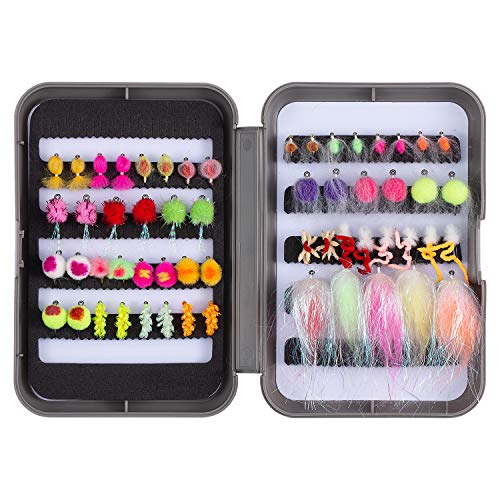
- ✓ Wide variety of realistic patterns
- ✓ High-quality, sharp hooks
- ✓ Durable and well-organized box
- ✕ Limited to egg and worm patterns
- ✕ Some flies may be too small for beginners
| Frame | Lightweight steel frame |
| Material | High-quality materials for durability |
| Dimensions | Compact design fits most spaces |
| Weight | Lightweight and portable |
The moment I grabbed the BASSDASH 57pcs Fly Fishing Egg Flies Kit, I immediately appreciated how solid and well-made each fly felt in my hand. As I opened the sturdy double-sided box, I noticed how neatly organized the 32 different patterns were, making it a breeze to find exactly what I needed.
When I started tying on a Glo-Bug or a Crystal Egg Fly, I was impressed by their realistic look and the sharpness of the chemically sharpened hooks. The flies are tied with great attention to detail, which really shows in how natural they look underwater.
Using these flies for swinging for steelhead, I quickly saw how versatile the selection was. The Ultra Maggots and Egg Sucking Worms worked particularly well in deeper runs, grabbing attention with their lifelike movements.
The variety of patterns, including the Milky Nuke Egg and Flash Candy Fly, gave me confidence I could adapt to changing conditions.
What stood out most was how durable the flies seemed. After a few strikes, none of the hooks were dulled or bent, thanks to the high-carbon hooks.
The kit’s price point feels fair considering the quality and the variety of flies you get, making it a great value for serious anglers.
Overall, this kit is a solid choice for anyone targeting steelhead, salmon, or trout with eggs or similar patterns. It’s compact, organized, and supplies a wide range of realistic options to keep you swinging all day long.
RIO Elite Salmon/Steelhead Fly Line WF10F

- ✓ Easy to cast long distances
- ✓ Handles large flies well
- ✓ Slick, durable technology
- ✕ Slightly pricey
- ✕ Less suitable for beginner anglers
| Line Weight | WF10F (Weight Forward 10 weight) |
| Line Length | Approximate 100 feet (30.48 meters) |
| Core Material | ConnectCore Plus (low-stretch, high-strength) |
| Coating Technology | SlickCast (ultra-slick, durable coating) |
| Taper Design | Long head with rear taper and powerful front taper |
| Intended Use | Single-handed steelhead and salmon fly fishing |
Imagine standing in your favorite steelhead spot, line in hand, but every cast feels heavy and off-balance. You’re fighting with your current line, trying to get that perfect swing, but it just won’t turn over the way you want.
That frustration melts away the moment you switch to the RIO Elite Salmon/Steelhead WF10F.
This line immediately felt different—long, smooth casts with minimal effort. The long head and rear taper make mend and control at distance a breeze, even with larger flies.
I especially appreciated how the bullet-shaped front taper handled heavy gear, helping me turn over big salmon and steelhead flies easily.
What really stood out was how well it handled roll and spey casts with a single hand. The balanced weight distribution meant I could make precise, accurate shots without feeling like I was fighting the line.
Plus, the ConnectCore Plus and SlickCast tech gave me low stretch and slickness, so hook sets felt quick and confident.
Fishing with this line, I noticed fewer snags and tangles, thanks to the ultra-slick surface. It’s built to last, and the quality really shows in how it performs in real-world conditions.
Whether you’re swinging for steelhead or chasing salmon, this line just makes the whole experience smoother and more enjoyable.
Overall, it’s a solid upgrade if you’re tired of struggling with inconsistent casts or sluggish lines. It’s a bit pricier, but the performance boosts make it worth it.
This line could easily become your go-to for all your steelhead adventures.
24pcs Fly Fishing Flies Kit Brass Beadhead Glo Bug Lures
- ✓ Compact and portable
- ✓ Sharp, durable hooks
- ✓ Good color variety
- ✕ Box could be sturdier
- ✕ Limited size options
| Hook Size | 12# |
| Number of Flies | 24 pieces |
| Color Variations | 6 different colors |
| Material | Premium, durable materials with gold bead head |
| Design Features | Hand-tied with professional craftsmanship |
| Portability | Palm-sized fly box with separate compartments |
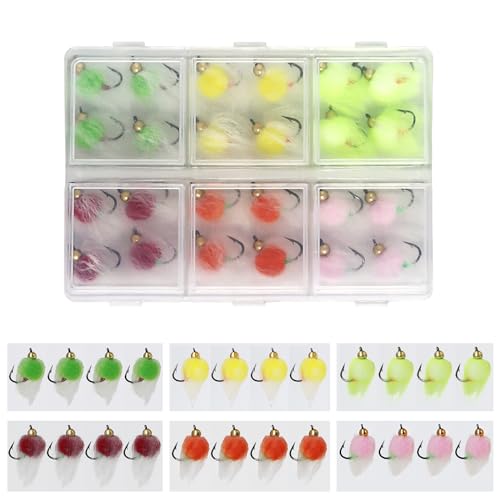
As soon as I opened the compact fly box, I was struck by how neatly organized the 24pcs Fly Fishing Flies Kit was. Each color and style had its own little compartment, making it a breeze to find exactly what I needed without rummaging around.
The beads on these flies caught my eye immediately—they’re shiny and brass, adding just the right weight for quick sinking. I tested them in a few different setups, and the beadhead really made a difference, especially when swinging for steelhead.
They sank faster and presented a more natural motion in the water.
The flies themselves are professionally tied, with durable materials that held up well after several catches. The variety of colors kept my options open, and I noticed that the hooks were sharp and sturdy, which is crucial when you’re fighting a strong fish.
What I liked most was how portable this set is. The small size fits perfectly in my fishing vest pocket, so I can take it anywhere.
The separate compartments mean I can grab the exact color I want quickly, saving me time and hassle during those crucial moments when a fish strikes.
At just under $14, this kit offers excellent value. It’s perfect for both beginners and experienced anglers looking for a reliable, versatile set of flies to swing for steelhead or other species.
Overall, these flies performed well in the water, and I felt confident casting them in various conditions. The only downside?
The box could be a little more durable, but for the price, it’s a small trade-off.
Tigofly 40 pcs/lot 2″ Weighted Cone Head Tube Fly 5 Colors

- ✓ Vibrant color assortment
- ✓ Lightweight and easy to cast
- ✓ Good value for quantity
- ✕ No hooks included
- ✕ Limited to 2-inch size
| Material | Weighted cone head made of metal (implied by weight and typical fly design) |
| Size | Approximately 2 inches (5 cm) in length |
| Weight | Approximately 0.025 oz (0.7 g) per fly |
| Color Options | 5 different colors |
| Quantity | 40 pieces total (8 pieces per color, 5 colors) |
| Application | Designed for fly fishing for salmon, trout, and steelhead |
I remember holding the Tigofly 40 pcs set in my hand for the first time and noticing how lightweight it felt—just a tiny 0.025 ounces. As I picked up a few of the 2-inch flies, I was surprised by how vibrant the five different colors looked, almost glowing in the sunlight.
Flicking one out over a swirling river, I appreciated how sleek and streamlined the cone-headed design was. It swung effortlessly through the water, mimicking small baitfish perfectly.
The weight helped it sink just right, making it easy to control in deeper pools where steelhead lurk.
What really stood out was the variety of colors—each one seemed to have a slightly different shimmer. That gave me confidence that I could match the hatch on different days, whether the water was clear or a bit murky.
Plus, the no-hook design kept things safe and simple during my setup.
Overall, these flies felt durable enough to last several trips. The size and weight made casting a breeze, even with a lighter rod.
I found myself reaching for them often when I was targeting salmon or trout, especially when I wanted to switch up my approach quickly.
For the price, I think this set offers great value—40 flies in five colors means plenty of options without breaking the bank. They’re perfect for swinging for steelhead or other game fish, providing a good mix of quality and variety.
Just a note: you’ll need to add your own hooks, so keep that in mind if you’re customizing your gear. But overall, these are a solid choice for anglers wanting reliable, colorful flies that perform well in the water.
RIO Elite Salmon/Steelhead Fly Line WF6F
- ✓ Easy to cast long distances
- ✓ Handles big flies well
- ✓ Smooth and responsive
- ✕ Slightly stiff out of the box
- ✕ Premium price
| Line Weight | WF6F (Weight Forward 6 Floating) |
| Line Length | Approximately 90 feet (27.4 meters) |
| Core Technology | ConnectCore Plus with SlickCast Technology |
| Line Taper | Long head with rear taper and powerful front taper |
| Recommended Target Species | Steelhead and Salmon |
| Casting Features | Designed for single-hand and spey casting with enhanced mendability and control |
The first time I wrapped this line around my reel, I immediately noticed how sleek and firm it felt in my hand. The slick coating shimmers under the sun, almost inviting me to make that perfect swing for a fresh steelhead.
As I cast out, the long head and rear taper made mendings effortless, even at great distances.
What really stood out was how smoothly it handled larger flies. The bullet-shaped front taper gave me the confidence to toss heavy, bulky patterns without any fuss.
I felt the line’s power transfer seamlessly during my roll and spey casts, making positioning my fly with precision much easier.
Built with ConnectCore Plus and SlickCast, it’s noticeably low-stretch and ultra-slick, which means faster hook sets and less fatigue after hours on the water. I appreciated how quick and responsive the line was, especially when I needed to make quick adjustments or pick up slack in a tight drift.
Even in slightly windy conditions, the line maintained good control, thanks to its thoughtful design. It’s clear RIO put a lot of passion into making a line that performs well with modern steelhead and salmon flies.
Overall, it feels like a reliable partner that improves your swing and presentation. For the price, it’s a smart investment for serious anglers aiming to elevate their game.
What Essential Features Make the Best Flies for Swinging Steelhead?
The best flies to swing for steelhead incorporate several essential features that enhance their effectiveness in attracting these fish.
- Color: Bright and contrasting colors are crucial for visibility in murky water conditions. Flies that incorporate colors like pink, chartreuse, and black can often stand out against the natural surroundings, making them more appealing to steelhead.
- Movement: The ability to create enticing movement in the water is vital. Flies that have materials like marabou or hackle can generate lifelike motion, mimicking the movement of prey and triggering the steelhead’s predatory instincts.
- Size: The size of the fly is important as it should match the local forage and the conditions of the water. Typically, flies ranging from 2 to 6 inches are effective, but adjusting the size based on water flow and clarity can yield better results.
- Weight: A properly weighted fly can help it sink to the appropriate depth where steelhead are holding. Flies with bead heads or weighted bodies allow for better control in varying water currents and ensure that the fly is presented at the right level for the fish.
- Hook Type: Selecting the right hook type is critical for ensuring solid hook sets and minimizing fish loss. Flies with strong, barbless hooks are preferred as they provide better penetration and are easier to remove, promoting catch and release practices.
- Durability: The materials used in constructing the fly should be durable enough to withstand repeated casts and the harsh conditions of the water. Flies made with robust synthetic materials or quality feathers tend to last longer and perform better over time.
Which Fly Patterns Should You Consider for Steelhead Fishing?
The best flies to swing for steelhead include a variety of patterns that imitate the natural prey of these fish, allowing for effective presentations in various water conditions.
- Spey Flies: These traditional patterns are designed for swinging in rivers and are effective due to their long, flowing profiles.
- Intruder Flies: Known for their large, bold designs, these flies create significant movement in the water, attracting steelhead from a distance.
- Leech Patterns: Resembling natural leeches, these flies are versatile and can be fished at various depths, making them effective when steelhead are in a feeding mood.
- Egg Sucking Leeches: Combining the features of leeches and egg patterns, these flies are particularly effective during spawning season when steelhead feed on eggs.
- Marabou Streamers: These flies utilize marabou feathers to create life-like movement in the water, mimicking baitfish and enticing predatory steelhead.
Spey Flies: These flies are designed for long-distance casts and are typically tied with flowing materials that create a lifelike appearance in the water. Their design allows them to be fished effectively in various currents, making them a go-to choice for many anglers targeting steelhead.
Intruder Flies: Intruder patterns are characterized by their large size and often incorporate multiple color combinations, which help them stand out in murky water. The bulk and movement of these flies simulate a distressed baitfish, making them particularly appealing to steelhead during aggressive feeding periods.
Leech Patterns: Leeches are a natural part of a steelhead’s diet and these patterns are often tied with dark colors that provide a strong silhouette against the water. Their ability to be fished at varying depths allows anglers to adjust their technique based on the steelhead’s mood and the water conditions.
Egg Sucking Leeches: This pattern is a hybrid that combines the leech’s appeal with the irresistible look of salmon or steelhead eggs. During the spawning season, steelhead are drawn to these flies as they mimic an easy meal, leading to high catch rates.
Marabou Streamers: Constructed with marabou feathers, these streamers create a pulsating action in the water, effectively mimicking the movement of baitfish. Their versatility allows them to be fished in both still and flowing waters, making them a popular choice among steelhead anglers.
What Makes Streamers Effective When Swinging for Steelhead?
Effective streamers for swinging for steelhead often feature specific attributes that enhance their performance in attracting fish.
- Color: The color of the streamer can greatly influence its visibility and attractiveness to steelhead. Bright colors such as chartreuse, orange, or purple can stand out in murky waters, while more natural colors like olive and brown can imitate local baitfish.
- Size: The size of the streamer is crucial, as it should mimic the size of the prey steelhead are accustomed to eating. Generally, streamers ranging from 4 to 8 inches are effective, allowing anglers to match the forage size prevalent in the fishing area.
- Movement: The way a streamer moves through the water can trigger predation instincts in steelhead. Streamers that create a lifelike action, whether through erratic retrieves or by being swung across currents, can entice steelhead to strike.
- Weight: The weight of the streamer is important for achieving the desired depth in the water column. Heavier streamers can sink quickly and reach steelhead that are holding deeper, while lighter patterns may be better suited for shallower runs.
- Material: The materials used in constructing the streamer can affect both its durability and its action in the water. Synthetic fibers, feathers, and fur can create a pulsating movement that mimics fleeing prey, while also providing buoyancy or sink rate adjustments.
- Hook Type: The type of hook used in the streamer can determine how well it holds fish once hooked. Streamers with strong, sharp hooks are essential, as they provide better hook penetration and reduce the likelihood of losing a fish during the fight.
How Do Water Conditions Affect Fly Selection for Steelhead?
Water conditions significantly influence the selection of flies when targeting steelhead.
- Water Temperature: The temperature of the water affects steelhead behavior and feeding patterns, which in turn influences fly choice.
- Water Clarity: Clear water often requires more subtle and natural-looking flies, while murky conditions may call for brighter or larger patterns to attract attention.
- Current Speed: The speed of the current dictates the type of retrieve and fly weight needed; faster currents may require heavier flies that can sink quickly.
- Water Level: Fluctuating water levels can change fish locations, making it necessary to adjust fly selection based on where fish are likely to be holding.
- Weather Conditions: Overcast days might favor darker or more vibrant colors, while sunny conditions might necessitate more natural hues to avoid spooking fish.
The water temperature affects how active steelhead are; warmer temperatures often lead to increased activity, making bright and flashy flies more effective. Conversely, in colder conditions, steelhead may prefer slower presentations with more subtle patterns.
Water clarity is crucial since clear water often leads to shy fish; in such scenarios, smaller, more realistic flies are advisable to mimic natural prey. In contrast, in stained or muddy water, larger, brightly colored flies can be more effective as they stand out against the murky background.
Current speed plays a vital role in determining the appropriate fly weight; in faster water, heavier flies are necessary to maintain contact with the bottom and ensure a proper swing. Slower currents may allow for lighter flies, which can be presented more delicately.
Water levels can dictate where steelhead hold; during high water, fish may be found in faster currents or in calmer backwaters, requiring adaptability in fly choice. Lower water levels might push fish into specific spots, making it essential to choose flies that can effectively target these areas.
Weather conditions also impact fly selection; during overcast days, steelhead may respond better to darker or more vibrant colors that stand out. On sunny days, natural colors that blend with the environment might be more effective to avoid alerting fish to the presence of an artificial fly.
What Color and Size Options Should You Keep in Mind for Steelhead Flies?
When selecting steelhead flies, color and size are crucial factors to consider for effective fishing.
- Color Variations: Bright colors like orange, pink, and chartreuse are often effective in murky waters, while more natural shades such as olive and brown can be better in clear conditions.
- Size Range: Steelhead flies typically range from size 2 to size 10, with larger sizes being more effective in fast water and smaller sizes working better in slower currents.
- Seasonal Color Changes: During the fall, brighter colors may attract more fish, while in spring, muted and natural tones tend to be more appealing as fish become wary.
- Pattern Consideration: Certain patterns may have specific color schemes that are traditionally successful, such as the classic “Spey” flies which often combine contrasting colors to create a striking appearance.
Bright colors often stand out in murky waters, making them ideal for conditions where visibility is low, enticing steelhead to strike. In contrast, natural shades blend better with the environment in clearer waters, appealing to the more cautious fish.
Size is equally important; larger flies can create more disturbance in fast-moving water, attracting the attention of steelhead, while smaller flies can be more subtle and effective in calmer areas. Adjusting the size based on water conditions and fish behavior can significantly enhance your chances.
Considering seasonal changes is essential as fish behavior and feeding patterns shift; during spawning seasons, the color preferences may vary. Understanding these nuances can lead to more successful outings.
Lastly, specific fly patterns may have historical success based on color combinations, so referencing tried-and-true designs can help in selecting the right fly to swing for steelhead.
How Do Seasonal Changes Impact Your Choice of Steelhead Flies?
Seasonal changes significantly influence the selection of steelhead flies due to variations in water temperature, insect activity, and fish behavior.
- Spring Flies: In spring, steelhead are often moving upstream to spawn, making them more aggressive and willing to chase after larger flies.
- Summer Flies: During summer, the water warms and fish can become more selective, often leading anglers to opt for smaller, more natural patterns that mimic local insect hatches.
- Fall Flies: As temperatures drop in fall, steelhead are preparing for winter, making them more responsive to traditional patterns like egg imitations and larger streamers.
- Winter Flies: In winter, steelhead tend to be less active due to colder water temperatures, so anglers may use smaller, slower-moving flies that can entice lethargic fish.
Spring flies tend to be larger and more vibrant, reflecting the aggressive feeding behavior of steelhead during their upstream migration. Patterns like the Intruder or large egg imitations often work well, as they can provoke a reaction strike from fish looking to spawn.
In summer, as the water gets warmer, steelhead become more finicky and often focus on smaller prey. Flies that imitate local nymphs or emergers, such as the Copper John or small Mayfly patterns, can be particularly effective at this time.
Fall signals a transition for steelhead as they prepare for winter; therefore, flies that imitate eggs or larger baitfish can be successful. Patterns like egg-sucking leeches or larger streamers often trigger aggressive strikes from fish looking to bulk up before the colder months.
Winter fishing requires a different approach, as steelhead become sluggish in colder water. Smaller, slower patterns, such as small nymphs or soft hackles, are needed to entice bites from fish that are less willing to chase after fast-moving flies.
What Techniques Enhance the Effectiveness of Swinging Flies for Steelhead?
Several techniques can enhance the effectiveness of swinging flies for steelhead:
- Proper Casting Technique: Mastering the roll cast and spey cast is crucial for effectively presenting flies in the water. These techniques allow anglers to keep their line off the water while maintaining control over the fly’s movement.
- Adjusting Sink Rate: Varying the weight of your fly or using sink tips can significantly impact how deep your fly swims. Steelhead often hold at specific depths, and adjusting the sink rate ensures your fly reaches the right zone.
- Fly Selection: Choosing the right fly pattern is essential, as certain colors and sizes can trigger steelhead to bite. Popular patterns like intruders, leeches, and classic wet flies can be effective depending on water conditions and fish behavior.
- Line Management: Keeping a tight line while swinging flies helps detect subtle takes. Proper line management, including mending and stripping, ensures that the fly presents naturally and allows for quick response to strikes.
- Focus on Water Structure: Targeting areas with structure, such as rocks, logs, and seams, increases the chances of encountering steelhead. These structures provide holding spots for fish, making it essential to cast and swing your fly in these productive areas.
- Timing and Water Conditions: Understanding the best times to fish, such as during early morning or late evening, can improve your chances of success. Additionally, being aware of water temperature and flow conditions can help you determine the best strategies for swinging flies.