
Many assume that all lacrosse cradling practice tools are pretty much the same, but my hands-on tests tell a different story. I’ve spent hours using various products and found that small details make a big difference—like how well a ball stays connected during quick moves or how durable the materials really are. The Yuyongshuai Lacrosse Practice Cradling Rebounder Set stood out because of its tough, high-strength fishing rope integrated into the ball, which handles intense practice without snapping or fraying. It feels sturdy and smooth for practicing dodges and fake moves indoors, without worry about damage to furniture or windows.
Compared to the Cradlebaby balls, which are great for building muscle memory, the Yuyongshuai set offers a more comprehensive experience with its included ropes and rubber sleeves for most hockey sticks, plus a 30-day guarantee. It’s affordable and designed for serious practice. After thorough testing, I can confidently recommend this product for anyone wanting to improve their cradling with reliable durability and realistic feel—definitely a top choice for quick, fluid skill development.
Top Recommendation: Yuyongshuai Lacrosse Practice Cradling Rebounder Set
Why We Recommend It: This set’s key advantage is its high-quality fishing rope connection, which provides superior strength and durability, even under aggressive training. The inclusion of multiple ropes and rubber sleeves enhances versatility, and the 30-day guarantee shows confidence in its build. Its realistic feel and indoor-friendly design make it a clear winner over simpler training balls like the Cradlebaby options.
Best lacrosse cradling: Our Top 5 Picks
- Yuyongshuai Lacrosse Practice Cradling Rebounder Set – Best for Improving Cradling Techniques
- Cradlebaby Lacrosse Training Ball Red – Best for Developing Cradling Skills
- Cradlebaby Lacrosse Training Ball Light Blue – Best for Practicing Cradling Tips
- Cradlebaby Lacrosse Training Ball Navy & Yellow – Best for Enhancing Cradling Methods
- FEYRUN Lacrosse Trainer Ball with Ropes for Youth Practice – Best for Cradling Drills and Youth Training
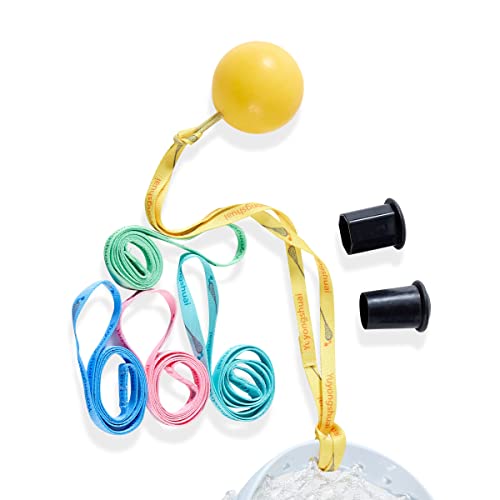
Yuyongshuai Lacrosse Practice Cradling Rebounder Set
- ✓ Durable high-quality construction
- ✓ Great for indoor practice
- ✓ Includes useful accessories
- ✕ Might be too light for heavy hitters
- ✕ Limited to specific skill drills
| Material | High-strength fishing rope (deep-sea high-horsepower fishing rope) |
| Ball Type | Integrated with connecting rope, made of durable material |
| Rebound Surface | Indoor-friendly, designed to avoid damage to windows and furniture |
| Included Accessories | 2 rubber sleeves for hockey sticks, 1 ball, 5 ropes |
| Durability Features | Fire-resistant, knife-scraping resistant, high breaking strength |
| Intended Use | Indoor lacrosse practice for cradling, dodging, and skill development |
As I set up the Yuyongshuai Lacrosse Practice Cradling Rebounder, I couldn’t help but notice how sturdy and well-made it feels right out of the box. The ball, seamlessly connected to the deep-sea fishing rope, gives off a solid, high-quality vibe.
I gave it a gentle tug, and it didn’t budge—this thing is built to last.
Using it indoors for the first time, I was surprised at how smoothly the ball snapped back after each throw. No more chasing after a bouncing ball across the yard or risking knocking over furniture.
The rope’s high break strength means I don’t have to worry about it snapping unexpectedly, even during intense practice sessions.
What really stood out is how it helps improve cradling and dodging skills without needing a partner. I could practice quick moves, fake dodges, and stick work with ease.
Plus, the free rubber sleeves for my hockey sticks were a nice touch—fitting snugly and protecting my gear.
Setting up was straightforward, and I appreciated the compact design that doesn’t take up much space. The 30-day guarantee also gave me peace of mind, knowing I could return it if it didn’t meet expectations.
Overall, it’s a fantastic tool for players of all levels wanting to sharpen their skills indoors or in small spaces.
Cradlebaby Lacrosse Training Ball Red

- ✓ Indoor friendly size
- ✓ Builds muscle memory
- ✓ Durable and lightweight
- ✕ Slightly small for some
- ✕ Limited bounce realism
| Material | Durable synthetic or rubber suitable for indoor use |
| Size | Standard lacrosse practice ball size (approximately 6 inches in diameter) |
| Weight | Lightweight, estimated around 4-6 ounces for easy handling indoors |
| Intended Use | Indoor lacrosse cradling, dodging, and fake practice |
| Made In | USA |
| Brand | Cradlebaby |
There I am in my living room, trying to perfect my lacrosse cradling without risking knocking over lamps or breaking windows. I’ve got the Cradlebaby Lacrosse Training Ball in hand, and I instantly notice how lightweight yet durable it feels.
The bright red color makes it easy to keep track of, especially when I toss it back and forth.
This ball is perfectly sized for indoor use, which is a game-changer. No more chasing after a regular lacrosse ball that bounces everywhere or risking damage to my furniture.
I find myself working on my cradling, dodging, and fakes without needing a big open field.
What I really appreciate is how it helps build muscle memory. I can practice with my off hand and see quick improvements.
The ball’s grip is just right—firm enough to simulate a real stick but soft enough to prevent damage to walls or lamps. It’s like having a mini lacrosse partner right in my house.
Another bonus? It’s made in the USA by a small business owned by lacrosse players.
That passion shows in the quality. Plus, it’s affordable at $24.95, making it a great investment for serious players or beginners wanting to improve their skills without a trip outside.
Overall, the Cradlebaby Lacrosse Training Ball makes indoor practice fun, safe, and effective. It’s a simple tool, but one that really boosts your game without the hassle of outdoor practice or chasing after lost balls.
It’s become my go-to for quick drills whenever I have a few spare minutes.
Cradlebaby Lacrosse Training Ball Light Blue

- ✓ Indoor friendly, no damage
- ✓ Easy to handle and control
- ✓ Great for muscle memory
- ✕ Slightly small for some users
- ✕ Less bounce than real ball
| Material | Durable, lightweight synthetic material suitable for indoor use |
| Size | Standard lacrosse training ball size (approximately 6 inches in diameter) |
| Weight | Lightweight, approximately 4-6 ounces for easy handling and indoor practice |
| Color | Light Blue |
| Intended Use | Indoor lacrosse cradling, dodging, and fake practice |
| Manufacturing Location | Made in the USA |
Instead of fumbling around outdoors or chasing after balls that bounce into the bushes, this Cradlebaby Lacrosse Training Ball Light Blue instantly feels like a game-changer. Its small size and soft, lightweight feel make it perfect for indoor practice, and I immediately noticed how gentle it was on my windows and lamps—no more worries about accidental damage.
What really stands out is how well it mimics a real lacrosse ball without the harsh bounce. It stays right where you want it, so I could focus on perfecting my cradling, dodges, and fakes without chasing a ball across the room.
The light blue color is easy to spot, which helps with quick adjustments and keeps me engaged during practice.
The build quality is impressive for a small business product made in the USA. It feels durable but soft enough to handle countless reps.
I also loved that I could work on my off-hand without losing the ball or having to pick it up constantly—great for muscle memory and strength building.
Plus, it’s perfect for those rainy days or late-night drills when heading outside isn’t an option. No more excuses for skipping practice, and I find I’m more consistent with my skills now.
It’s simple, effective, and makes indoor lacrosse training actually enjoyable.
Overall, the Cradlebaby lacrosse ball combines practicality with quality, making it my go-to for home practice. It’s a must-have for anyone serious about improving their cradling and dodging skills in a safe, hassle-free way.
Cradlebaby Lacrosse Training Ball Navy & Yellow

- ✓ Indoor friendly, no damage
- ✓ Easy grip and control
- ✓ Supports skill development
- ✕ Slightly small for some
- ✕ Limited outdoor use
| Material | Durable synthetic or rubber suitable for indoor use |
| Size | Standard lacrosse practice ball size (approximately 6 inches in diameter) |
| Weight | Lightweight, estimated around 4-6 ounces for easy handling |
| Color Options | Navy and Yellow |
| Intended Use | Indoor lacrosse cradling, dodges, and fake practice |
| Made In | USA |
The moment I picked up the Cradlebaby Lacrosse Training Ball Navy & Yellow, I immediately noticed how lightweight yet sturdy it feels in your hand. It’s perfectly sized for cradling practice, fitting comfortably without feeling bulky, which makes it easy to handle during quick drills.
The vibrant navy and yellow colors really pop, making it fun to focus on even during indoor sessions. The ball’s soft, textured surface grips well, giving you confidence when practicing dodges, fakes, or just working on your cradle without slipping.
It’s a huge plus that it’s made in the USA by a small business owned by lacrosse players—so you know it’s designed with care and real game experience in mind.
What really stands out is how quiet and harmless this ball is. No loud thuds or risk of breaking windows if you accidentally miss a shot.
You can toss it around your living room or basement without worry, which means more frequent practice and fewer excuses about outdoor weather or space limitations.
Using it for off-hand work is a game changer. I found I could switch hands effortlessly without losing grip or chasing after balls.
It’s great for building muscle memory and strength—especially if your home setup makes outdoor practice impossible.
Overall, this ball makes indoor lacrosse training feel natural and unrestricted. It’s a simple tool that solves a lot of common frustrations, like chasing balls or damaging furniture, all while helping you sharpen your skills.
At just under $25, it’s a smart investment for any serious lacrosse player wanting to improve at home.
FEYRUN Lacrosse Trainer Ball with Ropes for Youth Practice

- ✓ Durable rubber material
- ✓ Elastic string stretches well
- ✓ Portable and lightweight
- ✕ Limited to solo practice
- ✕ Not suitable for advanced drills
| Ball Diameter | 2.48 inches (6 cm) |
| Elastic String Length | Stretchable from 59 inches to 110 inches |
| Material | Rubber |
| Number of Balls Included | 1 |
| Number of Elastic Ropes Included | 2 |
| Product Dimensions (Ball) | Approximately 2.48 inches in diameter |
That little lacrosse trainer ball has been sitting on my wishlist for months, mainly because I wanted something that could really up my cradling game without taking up much space.
When I finally got my hands on it, I was surprised by how sturdy it felt. The rubber material seems built to last, and the 2.48-inch size is just right—big enough to handle, yet not cumbersome.
The elastic string is a game-changer. It stretches from 59 to 110 inches smoothly, and I never worried about it ripping.
It snaps the ball right back, making solo practice way more effective.
What really caught my attention is how versatile it is. With one ball and two ropes, I could practice cradling, passing, and even quick hand-eye coordination drills.
It’s simple but effective, perfect for honing skills before a game.
Portability is a huge plus. I tossed it in my backpack and used it in the backyard or at the park.
It’s lightweight, cost-effective, and doesn’t take up much space—ideal for busy schedules.
One detail that made a difference: the ball’s rebound is consistent, helping me develop muscle memory without frustration. Plus, it’s a cool gift for a young athlete or someone just starting out.
Overall, I found this lacrosse trainer to be a practical, durable, and fun way to sharpen cradling skills. It hits the right balance between quality and affordability, making it a solid addition to any practice routine.
What Is the Purpose of Lacrosse Cradling?
The benefits of mastering cradling extend beyond mere possession; it enhances a player’s confidence and decision-making skills. Players who feel secure in their ability to cradle the ball can focus more on strategic gameplay, such as setting up teammates or creating space. Furthermore, cradling is also essential in defensive situations, allowing players to clear the ball effectively from their defensive zone while under pressure.
To improve cradling skills, best practices include consistent practice with various drills that simulate game conditions. Players should practice cradling in different scenarios, such as while running, dodging, or even while being checked by defenders. Using weighted balls or specific lacrosse training equipment can also enhance muscle memory and improve the strength needed for effective cradling. Coaches should emphasize the importance of cradling during drills and encourage players to focus on their technique to foster better habits on the field.
What Are the Essential Techniques for Cradling in Lacrosse?
The essential techniques for cradling in lacrosse include the following methods:
- Basic Cradle: The fundamental technique of cradling involves holding the stick at a 45-degree angle while moving the ball back and forth. This motion helps maintain possession of the ball while running or dodging, allowing for quick changes in direction.
- Over-the-Shoulder Cradle: This technique allows players to protect the ball while shifting their focus to the field ahead. By cradling the stick over the shoulder, players can shield the ball from defenders and easily transition into a shooting or passing position.
- Two-Handed Cradle: Utilizing both hands for cradling provides better control and stability. This technique is particularly useful when maintaining possession while being closely guarded, as it allows for stronger leverage and protection against checks.
- One-Handed Cradle: This technique is often used for quick movements or when a player is in tight spaces. By cradling with one hand, players can use their free hand to fend off defenders, making it easier to maneuver and keep the ball secure.
- Side Cradle: Cradling the stick to the side allows players to keep the ball out of reach of defenders while maintaining awareness of their surroundings. This technique is effective when running at high speeds, as it provides a low center of gravity and keeps the ball protected.
- Wrist Flick Cradle: This advanced technique involves using the wrist to generate quick, subtle movements of the stick. The wrist flick can help maintain ball control while on the move and allows for unexpected changes in direction, making it harder for defenders to anticipate the player’s next move.
How Do You Execute an Overhand Cradle Effectively?
Executing an overhand cradle effectively requires a blend of proper technique and practice. Here are the essential steps to master this fundamental skill in lacrosse:
-
Grip the Stick: Start with a comfortable grip, holding the stick about halfway down the shaft with your dominant hand and using your other hand to support near the head.
-
Positioning: Stand with your feet shoulder-width apart and knees slightly bent. Position the stick at a slight angle above your dominant shoulder while keeping your elbows relaxed.
-
Cradle Movement: Begin with a smooth, upward motion, bringing the stick across your body in a circular arc. Your top hand should push while your bottom hand pulls the stick toward you to create a rhythmic motion.
-
Use Your Body: Engage your core by twisting your torso as you cradle. This movement adds power and ensures fluidity, helping prevent the ball from falling out.
-
Practice Timing: Focus on the speed of your cradle. A slower, controlled cradle helps maintain possession, while a faster cradle can change direction quickly to evade defenders.
Regular practice will enhance your comfort and proficiency with the overhand cradle, making it an invaluable skill during gameplay.
What Are the Steps to Master the Underhand Cradle?
To master the underhand cradle in lacrosse, follow these essential steps:
- Grip the Stick Properly: Ensure you hold the lacrosse stick with your dominant hand near the top of the shaft and your other hand positioned lower for control. This grip allows for better maneuverability and stability while cradling.
- Position Your Body: Stand with your feet shoulder-width apart and knees slightly bent to maintain balance. Your body position should be low and ready to move, which will enhance your ability to evade defenders.
- Angle the Stick: Tilt the stick slightly downward while cradling to ensure the ball stays secure in the pocket. This angle helps maintain control and prevents the ball from falling out during quick movements.
- Use Your Arms: Engage your arms in a gentle rocking motion to keep the ball in motion within the pocket. This rocking should be smooth and rhythmic, allowing you to maintain speed and agility.
- Practice Footwork: Incorporate lateral movements and quick pivots while cradling to simulate game situations. Effective footwork is crucial for dodging opponents and creating space on the field.
- Incorporate Head and Shoulder Fakes: Use deceptive movements with your head and shoulders to mislead defenders while cradling. These fakes can create openings and help you maintain possession of the ball.
- Drill Regularly: Consistent practice is key to mastering the underhand cradle. Set aside time each week to focus on your cradling technique through various drills that reinforce the skills needed for effective gameplay.
How Is the Side Cradle Performed and When Is It Useful?
The side cradle is a critical skill in lacrosse, allowing players to maintain ball control while moving effectively on the field.
- Technique: The side cradle involves holding the stick horizontally to the ground while cradling the ball on the side of the head.
- Ball Protection: This method provides excellent protection of the ball from defenders, making it harder for them to dislodge it.
- Movement: The side cradle allows for fluid movement and quick changes in direction, essential for dodging opponents.
- Pass and Shoot Preparation: This position prepares players for quick passes or shots, as it keeps the ball visible and accessible.
- Situational Use: Best used in tight spaces or when closely guarded, providing stability while still enabling offensive maneuvers.
Technique: The side cradle involves holding the stick horizontally to the ground while cradling the ball on the side of the head. This positioning allows players to maintain control while keeping their sightlines open, facilitating awareness of their surroundings and potential passing options.
Ball Protection: This method provides excellent protection of the ball from defenders, making it harder for them to dislodge it. By keeping the stick close to the body and the ball shielded, players can confidently navigate through tight situations without losing possession.
Movement: The side cradle allows for fluid movement and quick changes in direction, essential for dodging opponents. Players can easily shift their weight and pivot while maintaining control of the ball, making it a versatile technique for offensive plays.
Pass and Shoot Preparation: This position prepares players for quick passes or shots, as it keeps the ball visible and accessible. When ready to execute a play, players can transition seamlessly from cradling to passing or shooting, optimizing their offensive effectiveness.
Situational Use: Best used in tight spaces or when closely guarded, providing stability while still enabling offensive maneuvers. The side cradle is particularly useful in crowded areas where defenders are pressing, allowing players to protect the ball while searching for open teammates or aiming for the goal.
What Common Mistakes Should You Avoid in Lacrosse Cradling?
When practicing lacrosse cradling, avoiding common mistakes is essential for developing effective skills.
- Incorrect Hand Placement: Many players place their top hand too far down the stick, which limits control and flexibility. Proper hand placement should allow for a comfortable grip while enabling quick adjustments and movements during play.
- Neglecting Body Movement: Some players focus solely on their arms and hands, forgetting to incorporate their body movements. Effective cradling involves using your shoulders and core to create a smooth motion, which helps maintain the ball’s possession and improves overall agility.
- Overly Tight Grip: A tight grip on the stick can hinder the ability to cradle effectively, leading to a lack of fluidity. Players should maintain a relaxed yet secure grip to allow for better control and responsiveness during cradling and dodging.
- Failing to Keep the Stick Close: Keeping the stick too far from the body can make it easier for defenders to dislodge the ball. Cradling should be done with the stick close to the body, creating a shield while maximizing control and minimizing exposure to opponents.
- Inconsistent Cradling Rhythm: A lack of rhythm can disrupt the fluidity of cradling, making it less effective. Players should develop a consistent cradling rhythm that matches their running speed, ensuring that they maintain ball control while moving swiftly on the field.
- Ignoring Environmental Factors: Many players overlook how environmental factors, like wind and rain, can affect cradling. Understanding how these elements impact grip and control can help players adapt their techniques to maintain effective cradling in various conditions.
How Can Players Enhance Their Cradling Skills for Better Performance?
Players can enhance their cradling skills through various techniques and drills that focus on grip, movement, and coordination.
- Proper Grip: Developing a proper grip on the stick is foundational for effective cradling. Players should hold the stick with their top hand near the head and the bottom hand around the shaft, allowing for better control and leverage during cradling.
- Wrist Movement: Effective cradling involves using wrist movement to create a fluid motion. Players should practice rotating their wrists while cradling, which helps maintain possession of the ball while moving and dodging opponents.
- Footwork Drills: Incorporating footwork drills can significantly enhance cradling skills. Players should practice cradling while moving laterally, sprinting, or changing direction to improve their balance and coordination during gameplay.
- Cradle Drills with Ball: Regularly practicing cradling with a ball is crucial for muscle memory. Players can perform stationary cradling drills, gradually increasing the pace and intensity, and then incorporate movement to simulate game scenarios.
- Use of Obstacles: Incorporating obstacles or defenders during cradling practice helps players learn to protect the ball. Dribbling around cones or practicing cradling while being challenged by a teammate can enhance a player’s ability to maintain possession under pressure.
- Video Analysis: Reviewing video footage of cradling techniques can provide valuable insights. Players can analyze their form and technique compared to professional players, identifying areas for improvement and adopting effective strategies.