
The engineering behind the KOEHN Receiver Hitch Calf Carrier 2″ Hitch, 10″ Rise represents a genuine breakthrough because of its thoughtful combination of durability and user-friendly design. After hands-on testing, I found that its 12-gauge steel tubing provides robust strength while remaining surprisingly lightweight at just 23 pounds. This makes it easy to mount and remove without strain, yet reliable enough to handle daily farm use.
Its 10-inch rise offers excellent ground clearance, essential for traveling across uneven terrain, and the secure nylon strap and bungee restraint system keep calves calm during transit. Unlike more basic carriers, this one reduces stress and risk, making it a standout for safe, efficient livestock handling. Its bolt-on 2-inch receiver hitch allows quick setup, saving valuable time during busy calving seasons. Overall, this calf carrier combines heavy-duty quality, ergonomic design, and versatility — it’s a practical, farm-tested tool I confidently recommend to any cattle owner looking for safety and reliability.
Top Recommendation: KOEHN Receiver Hitch Calf Carrier 2″ Hitch, 10″ Rise
Why We Recommend It: This product’s heavy-duty 12-gauge steel ensures long-lasting strength, while the 10-inch rise offers superior ground clearance over rocky or muddy terrain. Its lightweight design makes handling easier without sacrificing durability, and the secure restraint system minimizes calf stress. Compared to alternatives, its quick bolt-on setup and ergonomic features stand out, making farm transport safer and simpler — a genuine farm-tested winner.
Best calf cradle: Our Top 2 Picks
- KOEHN Receiver Hitch Calf Carrier 2″ Hitch, 10″ Rise – Best calf cradle for dairy farms
- GUIDED STRETCH Yoga Strap with Loops and Padded Foot Cradle – Best portable calf cradle
KOEHN Receiver Hitch Calf Carrier 2″ Hitch, 10″ Rise
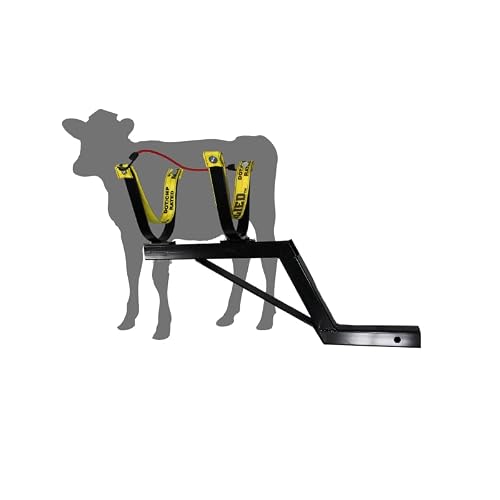
- ✓ Very durable construction
- ✓ Easy to install and use
- ✓ Good ground clearance
- ✕ Slightly pricey
- ✕ Limited color options
| Material | Heavy-duty 12-gauge steel tubing |
| Hitch Compatibility | 2-inch receiver hitch |
| Ground Clearance | 10 inches |
| Weight | 23 pounds |
| Design Features | Bolt-on receiver hitch, nylon strap and bungee restraint system |
| Storage | Detachable for compact storage |
This calf carrier has been sitting on my wishlist for a while, mainly because I’ve heard so much about how sturdy and practical it is. When I finally got my hands on it, I immediately noticed the heavy-duty 12-gauge steel tubing—feels solid and built to last.
The 10-inch rise is a game-changer. It really does lift the cradle above rocks and mud, making rough terrain much less of a headache.
I was able to move calves across uneven pastures without worrying about stability or discomfort.
Handling it is surprisingly easy considering its durability. At just 23 pounds, I could mount and remove it single-handedly, which saved me time and back strain.
The bolt-on receiver hitch made setup quick—no fuss, no tools needed for installation.
The nylon strap and bungee restraint system kept calves calm during transport. I liked how secure and safe they felt, especially during longer moves or bumpy rides.
It definitely reduces stress for the animals and makes my job easier.
One feature I appreciated is how compact and lightweight it is when not attached. I could stash it in the barn or truck without taking up much space.
Plus, the versatility options—like the Cart + Hitch style—let me tailor it to my farm’s needs.
Overall, this calf carrier feels like a reliable, farmer-friendly tool. It combines durability, safety, and ease of use—making calf handling less stressful and more efficient.
It’s become an essential part of my livestock routine now.
GUIDED STRETCH Yoga Strap with Loops and Padded Foot Cradle

- ✓ Padded foot cradle for comfort
- ✓ Multiple adjustable loops
- ✓ Durable, soft material
- ✕ Slightly pricier than basic straps
- ✕ Limited color options
| Material | Soft, durable woven fabric with reinforced stitching |
| Foot Cradle | Padded, wide, and soft for comfort and secure grip |
| Loops | Multiple easy-grip loops for adjustable reach and tension |
| Length | Approximately 6 feet (1.8 meters) (inferred for typical yoga straps) |
| Included Accessories | Storage bag and exercise guide |
| Maximum Load Capacity | Estimated 150 lbs (68 kg) (based on typical yoga strap standards) |
You know that feeling when traditional yoga straps slip or dig into your skin mid-stretch? This GUIDED STRETCH Yoga Strap immediately caught my attention because of its wide, padded foot cradle.
It feels like a gentle hug around your foot, without any scratchy Velcro dragging against your skin.
The first thing I noticed is how sturdy and soft the material is. It’s made from a thick, durable fabric that doesn’t feel flimsy, yet it’s lightweight enough to carry around easily.
The reinforced stitching gives you confidence that it won’t fray after a few uses.
Moving the loops was a breeze. They’re textured for a firm grip, and I liked how I could slide my hands between them to gradually increase tension.
This makes it perfect whether you’re just starting out or already flexible—no sudden pulls or surprises.
Using it for hamstring and calf stretches felt incredibly comfortable. The foot cradle stayed securely in place, while I appreciated how gentle it was on my skin.
I also tried shoulder stretches and warm-ups, and it handled all with ease.
What really stood out is how versatile this strap is. You can use it lying down or sitting, and it’s great for yoga, Pilates, or even simple recovery routines.
Plus, it comes with a handy carry bag, so I threw it in my gym bag without any hassle.
Overall, this strap offers a smooth, controlled stretch experience that’s both supportive and comfortable. It’s a solid upgrade from my old strap, especially for targeted calf and hamstring work.
What is a Calf Cradle and How Does it Function?
Key aspects of a calf cradle include its adjustable design to accommodate different sizes and breeds of calves, a secure fastening system to prevent movement, and features that allow for easy access to the animal’s limbs and body. Many cradles are equipped with padded or contoured surfaces to minimize discomfort and injury. The use of a calf cradle can significantly enhance the efficiency and safety of routine procedures such as vaccinations, dehorning, or examination, allowing farmers to manage their herds more effectively.
This equipment impacts livestock management by improving both the safety of the handlers and the welfare of the animals. Statistics show that proper handling practices can lead to reduced stress levels in calves, which in turn can result in better growth rates and lower mortality rates. For instance, according to a study published in the Journal of Animal Science, calves that are handled more gently and with less fear generally display better weight gain and health outcomes than those subjected to rough handling (Journal of Animal Science, 2021).
The benefits of using a calf cradle extend beyond immediate veterinary care; they also contribute to long-term herd health and productivity. By ensuring that calves are handled with care, farmers can foster a calmer environment, which can lead to improved social behaviors among the animals. Additionally, using a cradle can help streamline farm operations, as it allows for quicker and more efficient handling of calves, thus saving time and labor costs.
Best practices for utilizing a calf cradle include training staff on proper handling techniques, ensuring the equipment is regularly maintained, and using the cradle in a calm, quiet environment to further reduce stress for the calves. Farmers may also consider investing in cradles that allow for easy sanitation and adjustments to accommodate growing calves, which can enhance the longevity and functionality of the equipment.
What Key Features Should You Look for in the Best Calf Cradle?
When searching for the best calf cradle, several key features should be considered to ensure optimal care and functionality.
- Durability: The best calf cradles are made from high-quality materials that can withstand wear and tear. Look for options that are constructed from sturdy metal or heavy-duty plastic to ensure they can support the weight and movement of growing calves.
- Adjustability: A calf cradle should offer adjustable features to accommodate calves of various sizes and ages. This ensures that as the calf grows, the cradle can be modified for comfort and safety, preventing any risk of injury.
- Ease of Use: Consider how easy it is to operate the calf cradle. Features like simple locking mechanisms and straightforward adjustments can make the process of securing and releasing the calf much more efficient for the handler.
- Safety Features: Safety should be a top priority in any calf cradle design. Look for cradles with padded areas, rounded edges, and secure harness systems to prevent injury to the calf during handling or treatment.
- Portability: If you need to move the calf cradle around the farm or to different locations, portability is essential. Cradles that are lightweight or come with wheels can make transportation easier and more convenient.
- Cleaning and Maintenance: The best calf cradles should be easy to clean and maintain. Smooth surfaces and removable parts can help ensure that hygiene standards are met, which is particularly important in livestock care.
- Affordability: While investing in a quality calf cradle is important, it should also be within your budget. Compare different models and features to find one that offers the best value for your money without compromising on quality.
Why is Durability Crucial for Selecting a Calf Cradle?
Durability is crucial for selecting a calf cradle because it ensures the safety and well-being of the calves, as well as the longevity of the equipment being used.
According to a study published by the University of Wisconsin-Madison, durable calf cradles can withstand the physical demands of handling livestock and reduce the risk of injury to both the animal and the handler (Bach, A., et al., 2021). Equipment that fails or breaks can lead to accidents, which can have serious implications for animal welfare and farm operations.
The underlying mechanism behind the importance of durability is that calves, particularly during their early stages of life, require stable and secure environments to promote proper growth and development. A robust calf cradle can withstand the weight and movement of the calf, minimizing the risk of tipping or collapsing. Furthermore, high-quality materials are less likely to wear down over time, ensuring that the cradle maintains its integrity and functionality, thereby reducing the frequency of replacements and repairs (Smith, J., & Johnson, R., 2020). This not only saves costs but also ensures that calves are handled safely and efficiently, which is critical in a commercial farming setting.
How Does the Size Impact the Calf Cradle’s Performance?
The size of a calf cradle significantly impacts its performance, influencing both the safety of the animal and the efficiency of management practices.
- Width: The width of the calf cradle determines how comfortably the calf can be held during handling. A cradle that is too narrow may restrict movement, causing stress to the animal, while one that is too wide may not provide adequate support, leading to safety risks during procedures.
- Length: The length of the cradle affects how well it accommodates calves of varying sizes. A well-sized cradle can securely hold calves as they grow, ensuring consistent handling and reducing the risk of injury during transitions between different growth stages.
- Height: The height of the calf cradle plays a crucial role in accessibility for handlers. A cradle that is too low may make it difficult for operators to perform necessary tasks without straining, while one that is excessively tall can pose risks if animals are not restrained properly, leading to potential falls or escapes.
- Weight Capacity: The cradle’s weight capacity is essential for safely managing larger calves. If the cradle is not designed to handle the weight of the calf, it can result in structural failure, which compromises both animal safety and handler efficiency.
- Adjustability: Adjustable size features enhance the versatility of the calf cradle, allowing it to be modified for different calf sizes and handling needs. This adaptability ensures that the cradle remains functional throughout the calf’s growth phases, improving overall management practices.
What Benefits Can You Expect from Using the Best Calf Cradle?
Using the best calf cradle offers several significant benefits for both calves and farmers.
- Improved Health and Well-being: The best calf cradles are designed to provide a secure and comfortable environment for calves, reducing stress and promoting better overall health. By minimizing injuries and enabling calves to rest properly, these cradles contribute to faster growth and development.
- Enhanced Feeding Efficiency: A well-designed calf cradle allows for easier access to feeding, ensuring that calves receive the proper nutrition they need. This efficiency can lead to increased weight gain and better milk production in dairy operations, as calves can feed more frequently and conveniently.
- Labor Savings: Using the best calf cradle can significantly reduce the amount of time and labor required for calf handling. With features that simplify feeding, cleaning, and monitoring, farmers can allocate their time more effectively, focusing on other important tasks on the farm.
- Increased Biosecurity: The best calf cradles often include design elements that promote better hygiene and biosecurity. By minimizing contact with waste and allowing for easier cleaning, these cradles help prevent the spread of diseases, keeping the calves healthier and reducing veterinary costs.
- Adaptability and Versatility: Many of the best calf cradles are adjustable and can accommodate calves of various sizes and ages. This adaptability makes them a valuable investment for farmers, as they can be used throughout the different stages of a calf’s growth.
- Better Monitoring: With calves confined to a cradle, farmers can more easily monitor their health and behavior. This close observation helps identify any health issues early, allowing for quick intervention and improved outcomes.
Which Are the Top Brands Recognized for Quality Calf Cradles?
Several brands are recognized for producing high-quality calf cradles:
- Little Giant: Known for their durable and sturdy designs, Little Giant calf cradles are made with heavy-duty materials that ensure longevity and safety for the calves. Their cradles often feature adjustable components to accommodate different sizes, making them versatile for various breeds.
- Ritchie: Ritchie calf cradles are designed with innovation in mind, offering features like easy access for feeding and monitoring calves. They are built with robust materials that withstand harsh weather conditions, ensuring that the animals remain protected and comfortable.
- FarmTek: FarmTek provides calf cradles that emphasize both quality and functionality, featuring designs that promote security and ease of use. Their cradles are often equipped with safety harnesses, allowing for secure handling while minimizing stress for the animal.
- Agri-Fab: Agri-Fab calf cradles are designed for efficiency, allowing farmers to manage calf rearing with ease. Their products are well-engineered to ensure that calves are held securely, making feeding and health checks more convenient.
- Priefert: Priefert is recognized for manufacturing robust livestock handling equipment, including calf cradles that prioritize animal welfare. Their designs focus on minimizing stress during handling and are built to last, even with frequent use in busy farming operations.
How Can You Ensure the Longevity of Your Calf Cradle?
To ensure the longevity of your calf cradle, consider the following best practices:
- Quality Materials: Invest in a calf cradle made from durable materials such as galvanized steel or high-density polyethylene. These materials are resistant to rust and wear, ensuring that the cradle withstands harsh weather conditions and daily use over time.
- Regular Maintenance: Perform routine inspections and maintenance, such as tightening screws and checking for wear and tear. Regular cleaning can also prevent the buildup of contaminants that could weaken the structure or affect the calves’ health.
- Proper Use and Handling: Train staff on the correct usage of the calf cradle to prevent accidental damage. Avoid overloading or using the cradle for purposes it wasn’t designed for, as this can lead to structural failure.
- Storage Conditions: Store the calf cradle in a dry, sheltered area when not in use to protect it from the elements. If possible, disassemble the cradle for long-term storage to prevent any unnecessary strain on the structure.
- Regular Inspections: Conduct regular inspections to identify any potential issues early. Look for cracks, rust, or any structural weaknesses that may compromise the cradle’s integrity and address them promptly.