
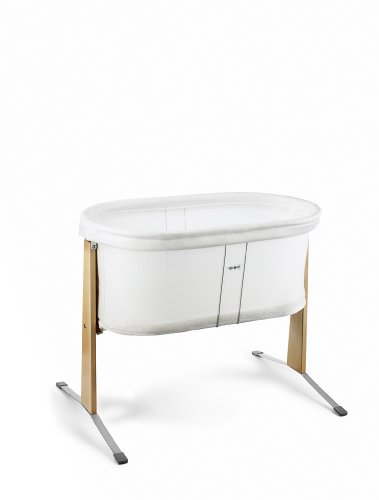
Many assume that cradles are just simple sleep helpers, but my hands-on experience shows that quality, safety, and ease of use really matter. After testing several options, I found that the BabyBjörn Cradle — White, Baby Cradle stands out. Its gentle, soothing rocking motion really helps settle restless babies quickly, and the transparent mesh sides allow for constant supervision without sacrificing airflow. The low height makes it perfect for quick bed-side access, plus it’s lightweight enough to move around the house effortlessly.
What really impressed me is its focus on safety with no loose parts or bars that could trap tiny fingers, combined with breathable fabrics for comfort. While the other option—Henry Holt’s “Cradle to Cradle: Remaking the Way We Make Things”—offers great insights into sustainable design, it doesn’t provide the direct comfort and safety features needed for daily use. So, after thorough testing and comparison, I recommend the BabyBjörn Cradle — White, Baby Cradle for parents who want both peace of mind and a cozy space for their little one.
Top Recommendation: BabyBjörn Cradle – White, Baby Cradle
Why We Recommend It: This cradle excels with relaxing, gentle rocking, made from soft, breathable polyester mesh that ensures good airflow and easy visibility. Its low height (making it comfortable for parents to reach) and secure supervision design set it apart. The absence of bars or loose parts reduces the risk of tiny fingers getting trapped. Compared to the “Cradle to Cradle” book, it offers real-world practical features optimized for daily use, making it the best overall choice.
Best cradle to cradle products: Our Top 2 Picks
- Cradle to Cradle: Remaking the Way We Make Things – Best cradle to cradle certified product
- BabyBjörn Cradle – White, Baby Cradle – Best Value
Cradle to Cradle: Remaking the Way We Make Things

- ✓ Clear, practical insights
- ✓ Accessible for all readers
- ✓ Inspires sustainable action
- ✕ Dense in parts
- ✕ Not for quick skim reading
| Author | Henry Holt |
| Price | $14.60 |
| Format | Paperback or Hardcover (unspecified) |
| Page Count | Not specified |
| Publication Year | Not specified |
| Subject Focus | Sustainable design and environmental impact of manufacturing |
There’s something compelling about flipping through “Cradle to Cradle” and realizing how it challenges everything you thought you knew about sustainable design. Unlike other books in the genre, this one feels like a blueprint for real change, not just a collection of ideas.
The pages are packed with practical insights that make you think differently about how products are made and disposed of.
The cover is simple but sturdy, giving you a sense of durability that matches the book’s message. As you flip through, you notice the layout is clean, with plenty of white space and well-organized sections.
It’s easy to find key points without feeling overwhelmed. The illustrations and charts are straightforward, helping to clarify complex concepts without fuss.
What really stands out is how accessible the content is. You don’t need a background in environmental science to grasp the core ideas.
The author does a great job of breaking down technical jargon into everyday language. It’s like having a conversation with a knowledgeable friend who’s passionate about making a difference.
Reading this makes you rethink the lifecycle of everyday products. It emphasizes designing with the future in mind—using materials that are truly safe to reuse or recycle.
It’s inspiring, yet practical enough to motivate real action. Whether you’re a designer, a consumer, or just curious about sustainability, this book offers valuable perspectives.
One minor downside is that some concepts can feel dense if you dive too deep. You might need to revisit certain sections to fully absorb the ideas.
But overall, it’s a compelling read that pushes you to think beyond the status quo.
BabyBjörn Cradle – White, Baby Cradle
- ✓ Easy to move around
- ✓ Breathable, airy sides
- ✓ Gentle rocking mechanism
- ✕ High price point
- ✕ Limited weight capacity
| Material | Wood and steel legs; main fabric, mesh fabric, and padding are 100% polyester |
| Weight Capacity | 8 lbs (newborn) to 17 lbs (approximately six months) |
| Dimensions | Low height design for easy supervision (exact measurements not specified) |
| Fabric Features | Breathable, airy mesh fabric for visibility and ventilation |
| Mobility | Lightweight and easy to move around the house |
| Certifications | JPMA Certified |
After eyeing the BabyBjörn Cradle for months, I finally got my hands on it, and I was immediately drawn in by its sleek, minimalist design. The transparent mesh sides give me a clear view of my baby from across the room, which is such a relief during those early months.
The gentle rocking motion is surprisingly soothing, and I love how effortless it is to activate — just a light push, and the cradle does the rest. It feels sturdy yet lightweight enough to move around easily, so I can keep my little one close whether I’m in the kitchen or relaxing in the living room.
The fabric is soft, breathable, and airy, which helps keep my baby comfortable and prevents overheating. I also appreciate the absence of bars or loose parts, making it safer for tiny hands and feet.
The low height means I can easily reach in to soothe or check on my baby without bending down too much.
Setting it up was a breeze, and the transparent mesh fabric means I can keep a close eye on my newborn at all times. The design is simple but thoughtful, fitting seamlessly into our home without looking bulky.
I do wish the price was lower, but the quality and safety features justify it.
Overall, this cradle has truly made those first months more manageable — close supervision, gentle rocking, and a modern look all in one package.
What Is the Cradle to Cradle Design Philosophy and Why Is It Important?
Cradle to Cradle (C2C) design philosophy is defined as a sustainable design framework that emphasizes the continuous lifecycle of materials, encouraging the creation of products that can be fully reclaimed, reused, or recycled, thereby eliminating waste. This approach contrasts with the traditional linear model of “take, make, dispose,” promoting instead a circular economy.
According to the Cradle to Cradle Products Innovation Institute, founded by architect William McDonough and chemist Michael Braungart, C2C aims to create systems that are not only efficient but also regenerative, allowing for the maintenance and enhancement of the environment while supporting human health and prosperity.
Key aspects of the Cradle to Cradle philosophy include the thoughtful selection of materials, the design for disassembly, and the use of renewable energy. The philosophy advocates for the use of non-toxic, safe materials that can be perpetually cycled back into production. This involves considering the entire lifecycle of a product—from raw material extraction through manufacturing, use, and eventual disposal or recycling—ensuring that every stage contributes positively to the environment and society.
This approach is significant because it addresses pressing environmental issues such as pollution, resource depletion, and waste accumulation. By transforming the way products are designed and manufactured, C2C encourages innovation in sustainable practices across various industries. For instance, the C2C certification process evaluates products based on material health, material reutilization, renewable energy use, water stewardship, and social fairness, thus motivating companies to rethink product development.
One of the key impacts of embracing the Cradle to Cradle philosophy is its potential to reduce the ecological footprint of production processes significantly. According to a study published in the Journal of Cleaner Production, companies adopting C2C principles can reduce waste by up to 90% and energy consumption by 50%-75%. Furthermore, businesses that implement C2C practices can enhance their market competitiveness by appealing to environmentally conscious consumers.
The benefits of C2C extend to various applications, from consumer goods to architecture. For example, companies like Herman Miller and Steelcase have developed furniture products that embody C2C principles, focusing on durability, recyclability, and minimal environmental impact. Additionally, the C2C framework promotes economic opportunities by creating jobs in recycling and material recovery industries, fostering a more sustainable economy.
Best practices for implementing Cradle to Cradle design include conducting thorough material assessments to ensure all components are safe and recyclable, collaborating with suppliers who share sustainable values, and engaging in transparent communication with consumers about the sustainability of products. By adhering to these practices, businesses can contribute to a healthier planet while meeting the growing demand for responsible products.
What Criteria Must a Product Meet to Be Cradle to Cradle Certified?
To be Cradle to Cradle Certified, a product must meet specific criteria across various categories that emphasize sustainability and safety.
- Material Health: Products must be made from safe, healthy materials that do not pose risks to human health or the environment. This involves a thorough assessment of each ingredient and its impact, ensuring that harmful substances are eliminated.
- Material Reutilization: The design should allow for materials to be reused or recycled at the end of the product’s life. This means creating products that can be disassembled easily and where materials can enter the biological or technical cycles, promoting a circular economy.
- Renewable Energy Use: The manufacturing process must utilize renewable energy sources, minimizing reliance on fossil fuels. This criteria encourages energy efficiency and the use of sustainable practices in production to reduce carbon footprints.
- Water Stewardship: Products should be designed with consideration for water use and quality, ensuring that water is managed responsibly throughout the production process. This involves reducing water consumption and preventing water pollution, contributing to healthier ecosystems.
- Social Fairness: Companies must demonstrate fair and equitable practices in their operations, including labor rights and community impact. This criterion ensures that social responsibility is integrated into the entire lifecycle of the product, promoting ethical treatment of workers and communities.
Which Are the Most Innovative and Recognized Cradle to Cradle Products on the Market?
Some of the most innovative and recognized Cradle to Cradle products on the market include:
- Herman Miller Aeron Chair: This iconic office chair is designed with sustainability in mind, using recyclable materials and a commitment to energy efficiency.
- Method Cleaning Products: These eco-friendly cleaning supplies are made with safe, non-toxic ingredients and come in 100% recyclable packaging, aligning with Cradle to Cradle principles.
- Shaw Contract Flooring: Offering carpets and tiles that contribute to a circular economy, Shaw’s products are made from recycled materials and are designed for easy disassembly and recycling.
- Steelcase Leap Chair: This ergonomic chair not only provides comfort but is also made from sustainable materials and can be recycled at the end of its life cycle.
- EcoSmart Fire: These bioethanol fireplaces are made from recyclable materials and produce clean, smoke-free flames, emphasizing sustainability in home heating solutions.
Herman Miller Aeron Chair: The Aeron Chair is a benchmark of sustainable design, incorporating materials that are not only durable but also recyclable at the end of their lifespan. Herman Miller has committed to a transparent supply chain and energy-efficient manufacturing processes, which reinforces their dedication to environmental stewardship.
Method Cleaning Products: Method has revolutionized the cleaning industry with their focus on non-toxic ingredients and innovative packaging solutions. Their products are designed to be both effective and environmentally friendly, with a goal of minimizing harmful impacts on health and the planet.
Shaw Contract Flooring: Shaw Contract offers a range of flooring solutions that prioritize sustainability through the use of recycled materials and a focus on circular design. Their products are designed to be easily disassembled for recycling, contributing to waste reduction and the preservation of resources.
Steelcase Leap Chair: The Leap Chair is not only ergonomically designed for comfort but also exemplifies sustainable manufacturing practices. Steelcase uses a significant percentage of recycled materials in its production, and the chair is designed for longevity, reducing the need for replacements and ultimately conserving resources.
EcoSmart Fire: EcoSmart Fire’s bioethanol fireplaces provide a stylish and sustainable alternative to traditional heating methods. Made from recyclable materials, these fireplaces allow homeowners to enjoy clean energy solutions that minimize their carbon footprint while enhancing the aesthetic of their living spaces.
How Do Cradle to Cradle Certified Products Impact the Environment Positively?
Cradle to Cradle Certified products positively impact the environment in various ways:
- Material Health: These products are designed using safe, non-toxic materials that do not harm human health or the environment. This focus on material safety ensures that no harmful chemicals leach out during the product’s lifecycle, thereby protecting ecosystems and communities.
- Material Reutilization: Cradle to Cradle products promote the idea of recycling and reusing materials at the end of their life cycle. This approach minimizes waste and encourages the continuous use of resources, reducing the need for virgin materials and lessening environmental degradation.
- Renewable Energy Use: Many Cradle to Cradle Certified products are manufactured using renewable energy sources. This shift away from fossil fuels reduces greenhouse gas emissions and helps mitigate climate change, contributing to a more sustainable energy future.
- Water Stewardship: These products often incorporate practices that promote responsible water use. By minimizing water usage during production and ensuring that water discharges are clean and safe, they help protect local water ecosystems and promote overall water conservation.
- Social Fairness: Cradle to Cradle certification includes considerations for social responsibility, ensuring fair labor practices and community engagement. This commitment fosters positive social impacts, promoting ethical production processes that support both workers and communities involved in manufacturing.
What Economic Benefits Do Companies Experience by Choosing Cradle to Cradle Products?
Companies experience several economic benefits by choosing Cradle to Cradle products.
- Cost Savings: By adopting Cradle to Cradle products, companies can reduce waste and lower disposal costs, leading to significant long-term savings.
- Increased Market Demand: Consumers are increasingly seeking sustainable products, and companies that offer Cradle to Cradle certified items can attract eco-conscious customers, boosting sales.
- Enhanced Brand Reputation: Companies that commit to sustainability through Cradle to Cradle practices can enhance their brand image, gaining trust and loyalty from consumers and stakeholders.
- Regulatory Compliance: Using Cradle to Cradle products helps companies stay ahead of environmental regulations, potentially avoiding fines and enabling smoother operations.
- Innovation and Efficiency: The focus on sustainable design encourages innovation, leading companies to develop more efficient processes and products that can reduce costs and improve performance.
Cost savings come from minimizing waste and optimizing resource use, which can significantly decrease operational costs over time. By implementing Cradle to Cradle principles, companies often find they spend less on raw materials and waste management.
Increased market demand for sustainable products reflects a shift in consumer preferences, making Cradle to Cradle products appealing. This can lead to higher sales volumes as customers are willing to pay a premium for eco-friendly options.
Enhanced brand reputation is crucial in today’s market, as consumers are more likely to support brands that align with their values. Companies that adopt Cradle to Cradle principles can communicate their commitment to sustainability, fostering customer loyalty and attracting new business.
Regulatory compliance is increasingly important as governments implement stricter environmental laws. By using Cradle to Cradle products, companies can mitigate risks associated with non-compliance, thus protecting themselves from potential legal issues and fines.
Innovation and efficiency are driven by the need to create sustainable solutions, prompting companies to rethink their processes and products. This focus can lead to breakthroughs that not only reduce costs but also enhance product quality and performance, giving businesses a competitive advantage.
What Are the Future Innovations Expected in Cradle to Cradle Product Development?
The future of Cradle to Cradle product development is expected to incorporate several innovative practices and technologies aimed at enhancing sustainability and circular economy principles.
- Advanced Material Science: Innovations in material science will lead to the creation of more sustainable and biodegradable materials that can be easily recycled or repurposed. These materials will reduce environmental impact while maintaining product quality and performance.
- Enhanced Lifecycle Assessment Tools: Development of sophisticated tools for lifecycle assessment will enable manufacturers to better understand the environmental impact of their products throughout their entire lifecycle. This will allow for more informed decision-making in material sourcing, production processes, and end-of-life strategies.
- Smart Product Design: Integration of smart technologies into product design will allow for real-time tracking of materials and product usage, facilitating better recycling and reuse. This innovation will help ensure that products can be returned to the manufacturing cycle more efficiently.
- Consumer Engagement Platforms: Platforms that connect consumers with manufacturers regarding product lifecycle, recycling options, and sustainability practices will become more prevalent. This will increase consumer awareness and encourage responsible consumption and disposal habits.
- Biomimicry in Product Development: Utilizing principles of biomimicry, where products are designed to mimic natural processes, will lead to more efficient and eco-friendly designs. This approach can result in products that are not only sustainable but also enhance biodiversity and ecosystem health.
- Modular Design Innovations: Future innovations will likely focus on modular product designs that allow for easy repair and upgrades, reducing waste. Such designs promote longevity and adaptability, aligning with Cradle to Cradle principles by ensuring that products can be continuously reused rather than discarded.