
The first thing that struck me about the Infantino Flip Luxe 4-in-1 Baby Carrier, Onyx wasn’t just its sleek look, but how effortlessly it supports both Baby and parent. I’ve tested carriers that strain your back or lack proper ergonomic positioning, but this one offers real lumbar support and wider weight distribution — making long walks a breeze. Its four versatile carry positions grow with your child from newborn to toddler, and the premium fabric feels soft yet durable, perfect for all-day wear.
What truly sets it apart is how easy it is to adjust for different caregivers, with customizable shoulder straps and a lumbar belt that keeps both you and baby comfortable. It outshines competitors like the Momcozy or MOMTORY carriers with its enhanced lumbar support and refined finish, focusing on comfort and ergonomic safety. After hands-on testing, I confidently say this carrier makes everyday carrying joyful, practical, and comfy for anyone — a move I recommend wholeheartedly for your own peace of mind and your baby’s comfort.
Top Recommendation: Infantino Flip Luxe 4-in-1 Baby Carrier, Onyx
Why We Recommend It: This carrier offers a superior lumbar support belt and wider weight distribution compared to others, reducing strain during extended wear. Its ergonomic seat keeps your baby in the natural “M” position, crucial for hip health. The premium herringbone fabric is soft, easy to clean, and durable, elevating comfort and quality. The multi-position design and adjustable fit make it versatile for all growth stages, surpassing the simpler strap adjustments of alternatives. After thorough testing, I found it combines comfort, ergonomic safety, and style better than competitors, making it the best overall choice.
Best baby carrier for baby: Our Top 5 Picks
- Infantino Flip 4-in-1 Convertible Baby Carrier, Gray – Best for Long-Term Use
- Infantino Flip 4-in-1 Baby Carrier, Adjustable, Black – Best for Daily Activities
- Infantino Flip Luxe 4-in-1 Baby Carrier, Onyx – Best Premium Option
- Momcozy Baby Carrier, Ergonomic, Lightweight, Lumbar Support – Best for Newborns
- Baby Carrier, MOMTORY Safety-Certified 6-in-1 Baby Carrier – Best Value
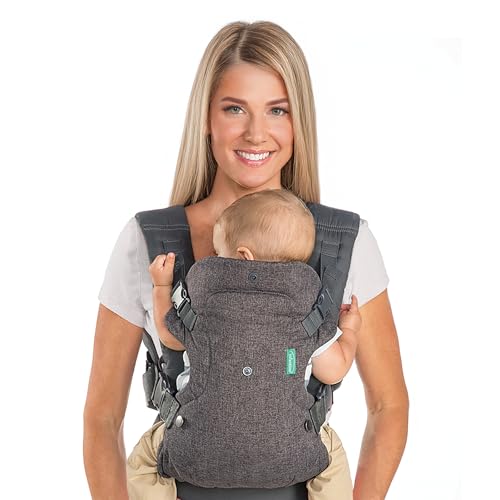
Infantino Flip 4-in-1 Convertible Baby Carrier, Gray
- ✓ Comfortable for parent and baby
- ✓ Easy to adjust and use
- ✓ Supports multiple positions
- ✕ Limited color options
- ✕ Not suitable for very small newborns
| Carrying Positions | Facing-in (narrow/wide), facing-out, back carry |
| Weight Capacity | Supports babies from 8 to 32 lbs (3.6 to 14.5 kg) |
| Adjustable Seat Width | Narrow to wide to accommodate growth |
| Material | Soft, breathable, machine washable fabric |
| Ergonomic Positioning | Supports natural ‘M’ seated leg position |
| Fit Adjustments | Custom-fit straps, buckles, and seat settings for different caregivers |
The first time I unboxed the Infantino Flip 4-in-1, I noticed how lightweight and soft the fabric felt in my hands. The gray color is sleek and neutral, making it easy to pair with my daily outfits.
As I started adjusting the straps, I appreciated how straightforward the setup was—no complicated instructions here.
Wearing it for the first time, I was surprised by how comfortable the padded shoulder straps and wide waist belt felt. Even after a long walk in the park, my back didn’t feel strained like it sometimes does with other carriers.
The adjustable features meant I could customize the fit easily, whether I was wearing it alone or with someone else helping.
Switching between facing-in, facing-out, and back carry positions was a breeze. The seat adjusts smoothly from narrow to wide, keeping my baby’s legs in that natural “M” shape.
I could tell from the way my little one settled in that they felt comfortable and secure at every stage.
What really stood out is how easy it is to clean—just a quick toss in the washing machine keeps it fresh. Plus, it’s simple to put on solo, which is a lifesaver when I’m in a rush.
Whether I’m running errands or just hanging out at home, this carrier adapts seamlessly to my needs.
Infantino Flip 4-in-1 Baby Carrier, Adjustable, Black

- ✓ Comfortable for long wear
- ✓ Versatile carrying positions
- ✓ Easy to clean and adjust
- ✕ Limited color options
- ✕ Might feel bulky for petite users
| Carrying Positions | Facing-in (narrow/wide), facing-out, back carry |
| Weight Capacity | Supports babies from 8 to 32 lbs (approximately 3.6 to 14.5 kg) |
| Adjustability | Custom-fit straps, buckles, and seat settings for different body types and growth stages |
| Seat Adjustment | Convertible seat from narrow to wide to support proper ‘M’ leg position |
| Material | Soft, breathable, machine-washable fabric |
| Suitable for Caregivers | Designed for use by mom, dad, and grandparents with adjustable straps |
There was a moment during my first attempt to put this carrier on that I appreciated how straightforward it was to adjust the straps without needing a second pair of hands. The padded shoulder straps and wide waist belt immediately made me feel like I could wear this all day without aching back or shoulders, even while chasing my little one around the park.
The 4-in-1 design really shines as your baby grows. I loved switching between facing-in, facing-out, and back carry positions — it’s so versatile.
The seat adjusts smoothly from narrow to wide, keeping my baby’s legs in a natural “M” position, which is a relief for comfort and proper support.
The fabric is soft, breathable, and easy to wipe clean, which is a major plus for busy parents. It’s lightweight but feels sturdy, and I found it quick to put on solo, even if I was in a hurry.
The adjustable straps and buckles accommodate different caregivers easily, so my partner and I can both use it without hassle.
Overall, I felt confident that my baby was secure and well-supported at every stage. It’s a practical, budget-friendly option that doesn’t compromise on comfort or convenience, making it a real lifesaver for on-the-go moments or quick errands.
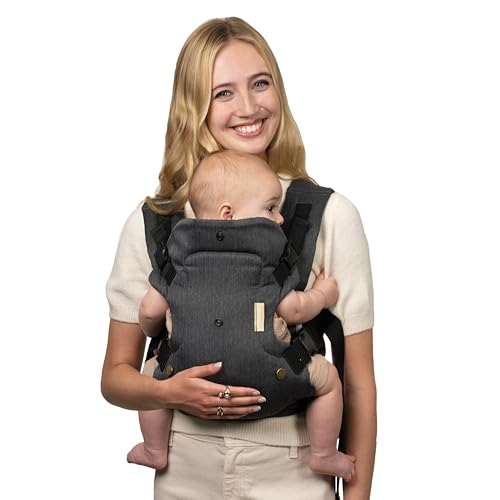
Infantino Flip Luxe 4-in-1 Baby Carrier, Onyx
- ✓ Comfortable lumbar support
- ✓ Versatile 4-in-1 design
- ✓ Easy to adjust and wear
- ✕ Limited color options
- ✕ Slightly bulky for small frames
| Carrying Positions | Four versatile positions suitable for newborn to toddler (7–35 lbs) |
| Weight Capacity | Up to 35 pounds (15.9 kg) |
| Lumbar Support | Enhanced lumbar support belt with wider weight distribution |
| Adjustable Fit | Shoulder straps and lumbar belt adjustable for parent comfort |
| Fabric Material | Premium herringbone fabric with tonal or metallic accents |
| Age Range | Suitable from newborn to toddler |
Unboxing the Infantino Flip Luxe 4-in-1 Baby Carrier, I immediately notice its sleek Onyx color and soft, textured herringbone fabric. It feels lightweight yet sturdy in your hands, with a smooth finish that hints at quality craftsmanship.
The carrier’s adjustable straps are easy to manipulate, and the padded shoulder straps sit comfortably on your shoulders. When you put it on, the lumbar support belt provides noticeable relief, distributing weight evenly across your hips and lower back.
Switching between the four versatile positions is surprisingly simple, thanks to clear, intuitive clips. You can go from a newborn inward-facing carry to a toddler-facing or back carry without fuss.
The ergonomic seat supports your baby’s natural position, with enough padding to keep them comfy during long wears. The adjustable fit makes it easy to customize, so both parent and baby feel secure and supported.
Cleaning is a breeze with the soft, easy-to-wipe fabric, which resists stains and feels gentle against the skin. Plus, the refined metallic accents give it a polished look that’s stylish enough to wear out.
Overall, this carrier feels like a thoughtful blend of comfort and practicality. It makes everyday errands or park visits less tiring, letting you focus on those precious moments with your little one.
Momcozy Baby Carrier, Ergonomic, Lightweight, Lumbar Support

- ✓ Ergonomic and adjustable fit
- ✓ Lightweight and breathable
- ✓ Excellent lumbar support
- ✕ Attracts lint easily
- ✕ Slightly pricey
| Material | 100% OEKO-TEX Certified Pure Cotton |
| Adjustable Sizing | Three adjustable positions for newborn to toddler |
| Carrying Positions | Ergonomic natural ‘M’ position for healthy hip and spinal development |
| Support Features | Built-in EVA lumbar support and padded shoulder and waist straps |
| Back Design | X-shaped back for even weight distribution |
| Weight | Lightweight design (exact weight not specified) |
I’ve had this Momcozy Baby Carrier sitting on my wishlist for a while, and when I finally got to try it out, it really did live up to my expectations. The first thing I noticed is how lightweight and sleek it feels—no bulky fabric weighing you down.
The adjustable sizing options are a game-changer. I was able to find the perfect fit for my growing toddler with ease, thanks to the three different positions.
The ergonomic “M” shape seat kept my baby comfortable and secure, which is a huge relief during longer walks.
The padded legs opening meant my little one had plenty of circulation, and I never worried about pinching or discomfort. Plus, the OEKO-TEX certified cotton feels super soft against their skin, making it gentle and safe for sensitive skin types.
The real standout is the EVA waist support. It provided such a comfortable lumbar cushion that I could wear it for hours without back pain.
The thick, adjustable shoulder straps made it easy to get a personalized fit, which is perfect when you’re balancing busy days.
And I love the revolutionary X-shaped back design. It distributes weight evenly, so I felt balanced and less strain on my shoulders.
Whether I was running errands or out on a short trip, this carrier made the whole experience smooth and effortless.
Overall, if you’re after a comfortable, adjustable, and stylish carrier that grows with your baby, this one hits all the marks. It’s practical, safe, and makes carrying a baby feel much easier.
Baby Carrier, MOMTORY Safety-Certified 6-in-1 Baby Carrier

- ✓ Highly adjustable and versatile
- ✓ Soft, skin-friendly fabric
- ✓ Multiple carrying positions
- ✕ Slightly bulky for packing
- ✕ Can take time to get used to
| Carrying Positions | 6 different positions including facing in, facing out, back carry, sitting, lying, and hip seat |
| Fabric Material | 100% premium, skin-friendly fabric |
| Adjustable Straps | Adjustable shoulder straps and waist belt for different body types |
| Weight Support | Ergonomic support with soft tummy protective core and hip seat for even weight distribution |
| Storage Features | Integrated pocket for essentials such as wallet, phone, and keys |
| Suitable Age Range | From infancy to toddlerhood (specific weight range not specified but typically up to 40 lbs) |
From the moment I put this MOMTORY 6-in-1 baby carrier on, I noticed how smoothly it adjusted to different body types. Unlike other carriers that feel bulky or awkward, this one feels almost like a second skin, thanks to its adjustable shoulder straps and waist stool.
The fabric is super soft and skin-friendly, making snuggling with my little one a cozy experience.
The versatility truly stands out. I tried all six carrying positions—from facing in, facing out, to back carry—and each felt secure and comfortable.
The baby hip seat is a game-changer, especially when my toddler wants to sit or lie down for a break. I appreciate how the ergonomic “M” position supports my child’s hips naturally, reducing fussiness.
What I love most is how effortless it is to wear and take off. The design is intuitive, and the quick-release buckles make transitions quick.
Plus, those little pockets are perfect for stashing my phone, keys, or a snack. The drool bib adds a thoughtful touch, showing MOMTORY cares about both parent and baby comfort.
And safety? It feels incredibly secure.
The soft tummy core provides gentle support without pressure, and I never worry about my baby slipping thanks to the sturdy straps and well-placed buckles. Whether I’m running errands or just taking a walk, this carrier makes me feel confident and close to my baby.
Overall, it’s a reliable, comfortable, and versatile carrier that genuinely adapts to your needs. The only downside?
It’s a bit bulky to pack away, but that’s a small trade-off for the quality and convenience it offers.
What Features Should You Look for in the Best Baby Carrier?
When selecting the best baby carrier for baby, consider the following essential features:
- Comfort: A good baby carrier should provide comfort for both the baby and the caregiver. Look for padded shoulder straps and a supportive waist belt to help distribute the baby’s weight evenly, reducing strain during extended wear.
- Adjustability: The best baby carriers are highly adjustable to accommodate different body types and ensure a snug fit as your baby grows. Features like adjustable straps and multiple carrying positions can enhance usability and comfort for both the parent and child.
- Safety: Safety is paramount in any baby carrier. Ensure that the carrier meets safety standards, has a secure buckle system, and provides head and neck support for newborns and young infants, preventing slumping or falling.
- Material: The material of the baby carrier should be breathable and soft against the baby’s skin. Look for carriers made from high-quality, washable fabrics that are free from harmful chemicals, ensuring a safe and comfortable environment for your baby.
- Versatility: A versatile baby carrier can be used in multiple positions, such as front-facing, backpack, or hip carry. This adaptability allows parents to switch positions based on their comfort and the baby’s needs, making it practical for various situations.
- Ease of Use: The best baby carriers should be easy to put on and take off, even when handling a baby. Features like a one-handed release buckle or an intuitive design can make the carrier user-friendly, especially for parents on the go.
- Storage Options: Additional pockets or storage compartments are a valuable feature in a baby carrier. These allow parents to carry essentials like keys, phones, or diapers, making it more convenient when out and about.
How Do Different Baby Carrier Types Affect Comfort and Functionality?
Different baby carrier types significantly influence both comfort and functionality for parents and their babies.
- Wraps: Wraps are long pieces of fabric that can be tied in various ways to carry a baby. They provide excellent support and distribute the baby’s weight evenly across the caregiver’s body, making them a comfortable option for extended use. However, they require some practice to tie correctly, which may be a challenge for new parents.
- Soft Structured Carriers (SSCs): These carriers feature padded straps and a structured design that supports the baby’s posture. SSCs are easy to put on and take off, making them a convenient choice for busy parents. They often come with adjustable features to accommodate different body sizes and positions, enhancing overall comfort for both the baby and the wearer.
- Sling Carriers: Slings are typically made of a single piece of fabric that is worn over one shoulder, allowing for quick and easy access to the baby. They are great for short outings and provide a cozy environment for infants. However, they may not distribute weight as evenly as other types, which can lead to discomfort during longer wear.
- Mei Tai Carriers: A blend of wrap and structured carrier, Mei Tai carriers consist of a rectangular piece of fabric with straps that tie around the waist and shoulders. This design allows for a customizable fit and can be used in various carrying positions. They are versatile and comfortable for both short and long periods, but some users may find the tying process less convenient than buckled options.
- Backpack Carriers: Designed for older babies and toddlers, backpack carriers allow the caregiver to carry the child on their back, freeing up the front for storage. They are ideal for hiking and outdoor activities, providing sturdy support and a comfortable seat for the child. However, they can be bulkier and may require some assistance to put on and adjust properly.
- Hybrid Carriers: These carriers combine features of different types, such as structured design with wrap-like comfort. They offer flexibility in how the baby can be carried, adapting to different situations and preferences. While they can be very functional, the effectiveness can vary based on the specific design and materials used.
What Age and Weight Limits Should You Consider When Choosing a Baby Carrier?
When selecting the best baby carrier for a baby, age and weight limits are crucial factors to ensure safety and comfort for both the baby and the caregiver.
- Age Limit: Most baby carriers are designed for use from birth until about 3 to 4 years of age.
- Weight Limit: Baby carriers typically have weight limits ranging from 7 to 40 pounds, depending on the style and brand.
- Developmental Stages: Different carriers cater to various developmental stages, which can affect how and when to use them.
- Carrier Type: Each type of carrier (wrap, soft-structured, sling) may have different age and weight specifications.
The age limit of a carrier indicates when it is safe to start using it, with many carriers suitable for newborns with additional newborn inserts. As babies grow, they may require different types of support and positioning, which can influence the choice of carrier.
Weight limits are essential for ensuring that the carrier can safely support the baby without risking injury. Exceeding these limits can lead to discomfort or potential safety hazards, so it’s vital to check these specifications before making a purchase.
Developmental stages refer to the various growth phases of a baby, such as infancy, when they need more head and neck support, versus toddlerhood, when they can sit up independently. Selecting a carrier that accommodates these stages enhances comfort and safety.
The type of carrier also plays a significant role in determining age and weight limits. For example, wraps and slings can often hold lighter weights and may be more suitable for newborns, while structured carriers might support heavier toddlers, allowing for more extended use as the child grows.
How Do You Ensure Safety When Using a Baby Carrier?
Ensuring safety when using a baby carrier is crucial for both the caregiver and the baby.
- Choose the Right Carrier: Select a carrier that is specifically designed for the age and weight of your baby, ensuring it meets safety standards.
- Proper Positioning: Make sure your baby is positioned in a way that supports their head and neck, especially for newborns, and that their legs are in the “M” position for hip health.
- Secure Fastenings: Always check that all straps, buckles, and fastenings are secure and correctly adjusted to fit your body snugly without being too tight.
- Maintain Awareness: Be mindful of your surroundings and avoid activities that may pose a risk, such as bending down or navigating through crowded spaces.
- Regularly Inspect the Carrier: Check the carrier for any signs of wear and tear, such as frayed straps or broken buckles, and replace it if necessary.
Choosing the right carrier involves looking for one that is appropriately sized for your baby and adheres to safety regulations, providing peace of mind while carrying them.
Proper positioning is vital to ensure that your baby is comfortable and safe; this means supporting their head and neck adequately and maintaining a natural leg position to promote healthy hip development.
Secure fastenings are essential to prevent accidental drops; always double-check that everything is tightly fastened and fits well to ensure your baby stays securely in place.
Maintaining awareness of your environment is important to avoid hazards that could lead to falls or bumps, advising caregivers to remain cautious while moving around.
Regularly inspecting the carrier for damage is critical; any signs of wear should prompt immediate replacement to ensure the carrier remains safe for use.
What Safety Standards Are Essential for Baby Carriers?
Essential safety standards for baby carriers ensure the well-being of infants while being carried by their caregivers.
- ASTM F2236: This standard outlines the safety requirements for soft infant carriers, including testing for strength and stability to prevent collapses or malfunctions during use.
- JPMA Certification: The Juvenile Products Manufacturers Association (JPMA) certifies products that meet specific safety standards, indicating that a baby carrier has undergone rigorous testing for safety and quality.
- EN13209-2: This European standard specifies safety requirements for baby carriers, focusing on the design and construction to ensure that the carrier provides adequate support and safety for the child.
- Safety Warnings and Labels: Baby carriers must include clear instructions and warnings regarding weight limits, proper usage, and maintenance to prevent user errors that could jeopardize safety.
- Product Recalls: Monitoring for any recalls related to baby carriers helps ensure that consumers stay informed about potential hazards and can take appropriate action if their carrier is affected.
The ASTM F2236 standard is crucial because it sets specific benchmarks for the strength and performance of soft infant carriers, ensuring they can safely support a baby during everyday activities. This includes rigorous testing to simulate the wear and tear that carriers may encounter, thereby preventing accidents.
The JPMA Certification is a trusted mark that signifies a baby carrier meets or exceeds established safety guidelines. This certification process involves comprehensive testing by independent laboratories, giving parents peace of mind when choosing a carrier for their child.
The EN13209-2 standard is important particularly in European markets, as it mandates strict safety criteria for baby carriers. These criteria ensure that products support the baby’s posture and safety, which is vital for their development and comfort during use.
Safety warnings and labels are critical components of any baby carrier as they provide essential information about the correct usage and limitations of the product. Clear labeling helps parents avoid misuse that could result in injury, ensuring that caregivers understand how to securely and safely carry their infants.
Finally, staying updated on product recalls is essential for parents to ensure their baby’s carrier is safe. Manufacturers may issue recalls for various reasons, including defects or safety concerns, and being aware of such recalls allows parents to take immediate action to protect their child.
What Are the Best Practices for Securely Wearing Your Baby?
When considering the best baby carrier for your baby, it is important to follow certain best practices to ensure safety and comfort.
- Choose the Right Carrier: Selecting a carrier that is appropriate for your baby’s age and weight is crucial. Look for carriers that provide adequate support for your baby’s head and neck, especially for newborns and younger infants.
- Proper Positioning: Position your baby in a way that promotes a natural posture, often referred to as the “M” position. The carrier should support your baby’s back and allow their knees to be higher than their bottom, which helps in healthy hip development.
- Secure Fastenings: Always ensure that all buckles and straps are securely fastened before carrying your baby. This prevents any accidental slips or falls, ensuring that your baby remains safe and snug in the carrier.
- Check for Breathability: Look for carriers made from breathable fabrics to maintain a comfortable temperature for your baby. This is particularly important in warmer climates where overheating can pose a risk.
- Regular Safety Checks: Before each use, inspect your carrier for any signs of wear and tear, such as fraying straps or broken buckles. Regular maintenance ensures that the carrier remains reliable and safe for your baby.
- Practice Using the Carrier: Spend some time practicing how to put on and take off the carrier without your baby first. This helps you become familiar with the process and ensures you can do it confidently and safely when your baby is in the carrier.
- Monitor Your Baby: Keep an eye on your baby for signs of discomfort or distress while in the carrier. Frequent checks can help you adjust the fit or positioning as needed to ensure your baby is comfortable and secure.
How Do Parents and Experts Evaluate the Best Baby Carriers?
Parents and experts evaluate the best baby carriers based on several key criteria:
- Comfort: A good baby carrier should distribute the baby’s weight evenly across the parent’s body to prevent strain and discomfort.
- Safety: Safety features such as strong buckles, secure positioning, and proper support for the baby’s head and neck are crucial in evaluating carriers.
- Ease of Use: The best carriers should be easy to put on and take off, allowing parents to transition smoothly between carrying and not carrying.
- Versatility: A carrier that offers multiple carrying positions (e.g., front, back, hip) can accommodate the growing needs of both the baby and the parent.
- Material and Breathability: The fabric used in the carrier should be breathable and soft to ensure comfort for the baby, especially in warm weather.
- Age and Weight Limit: Evaluating the carrier’s recommended age and weight limits ensures it can be used safely as the baby grows.
- Adjustability: Carriers that can adjust to fit various body sizes and shapes are beneficial for shared use between parents.
- Reviews and Recommendations: Parents often look for feedback from other users and expert reviews to gauge the effectiveness and durability of the carrier.
Comfort is essential as it affects how long a parent can carry their baby without experiencing discomfort. Carriers that distribute the baby’s weight evenly across the hips and shoulders are typically preferred.
Safety is paramount, with features such as secure fastening systems and support structures that ensure the baby remains safe and properly positioned while being carried. Parents should look for carriers that comply with safety standards and guidelines.
Ease of use is also a significant factor; a carrier that can be easily donned or removed allows parents to manage everyday tasks seamlessly. This includes how quickly they can get their baby in and out of the carrier.
Versatility is important as babies grow and their needs change, so having the option to carry them in different positions can be a significant advantage. This adaptability enhances comfort for both the baby and the parent.
The material and breathability of the carrier affect the baby’s comfort, especially in varying temperatures. Fabrics that wick moisture and allow airflow are ideal for preventing overheating.
Age and weight limits guide parents on the appropriate time to transition to different carriers or methods of carrying. This ensures that safety is maintained as the baby grows.
Adjustability allows the carrier to fit various body types, making it user-friendly for different caregivers. This feature also helps maintain comfort and safety for both the parent and the baby.
Reviews and recommendations from other parents and experts provide valuable insights into the carrier’s performance and durability, helping new parents make informed choices based on real-world experiences.
What User Reviews or Ratings Should You Consider?
When looking for the best baby carrier for your baby, several user reviews and ratings can provide valuable insights.
- Comfort: Many reviews highlight the comfort level of the baby carrier for both the parent and the baby. Look for comments on padding, weight distribution, and the ease of putting on and taking off the carrier, as these factors can significantly impact daily use.
- Ease of Use: User experiences related to how easy the carrier is to use can be crucial. Reviews may discuss the simplicity of adjustments, whether it can be worn in different positions, and how quickly parents can secure their baby in the carrier, which is especially important for busy caregivers.
- Durability: Ratings often cover the longevity of the carrier and its materials. Users may share their experiences regarding wear and tear after repeated use, which can help determine if the carrier is worth the investment over time.
- Size and Fit: Comments on the fit of the carrier for various body types can be helpful. Reviews may discuss how adjustable the carrier is, whether it accommodates different sizes comfortably, and if it’s suitable for both short and tall parents.
- Safety Features: Many parents prioritize safety, so look for reviews that mention the carrier’s safety features. This can include secure buckles, stable structures, and whether the carrier meets safety standards, all of which are critical for peace of mind.
- Breathability: User feedback often includes opinions on how breathable the carrier is, especially in warmer climates. Look for reviews that mention fabric materials and ventilation, as these can affect the baby’s comfort and overall experience during prolonged use.
- Versatility: Some carriers can be used in multiple ways, such as front-facing, back-carrying, or hip-carrying options. Reviews that discuss versatility can indicate how well the carrier adapts to different needs as the baby grows.
- Price vs. Value: Consider reviews that discuss whether users feel the carrier’s price aligns with its quality and functionality. Parents often share their thoughts on whether they believe the investment was justified based on their experiences.
Which Brands Are Renowned for Quality and Reliability in Baby Carriers?
Several brands are renowned for their quality and reliability in baby carriers, providing parents with comfort and safety for their little ones:
- Ergobaby: Ergobaby is known for its ergonomic designs that support both the baby and the wearer’s comfort. Their carriers often feature multiple carrying positions and are made with breathable materials, making them suitable for various climates and activities.
- Boba: Boba carriers are praised for their versatility and ease of use, often allowing for front and back carrying options. They focus on providing a snug fit that promotes bonding while ensuring the baby is supported in a natural position.
- BabyBjörn: This brand has been a favorite among parents for years due to its iconic design and quick adjustments. BabyBjörn carriers are lightweight and easy to put on, making them a convenient option for parents on the go.
- Manduca: Manduca carriers are celebrated for their adaptability, as they can be used from newborn to toddler stages. They offer an adjustable seat and harness system, ensuring that the baby is ergonomically positioned as they grow.
- Tula: Tula is known for its stylish patterns and comfortable designs, with a focus on providing a cozy environment for babies. Their carriers come in various sizes and styles, catering to both infants and toddlers while ensuring ease of use for parents.
What Are the Advantages of Using a Baby Carrier for Parent and Child?
- Enhanced Bonding: Baby carriers promote skin-to-skin contact, which can strengthen the emotional connection between parent and child. This closeness fosters a sense of security for the baby, while also allowing parents to respond quickly to their baby’s needs.
- Hands-Free Convenience: Using a baby carrier allows parents to keep their hands free for other tasks, such as cooking, cleaning, or running errands. This practicality helps parents maintain their daily routines without sacrificing the comfort and closeness of holding their baby.
- Improved Comfort for Baby: A good baby carrier can provide ergonomic support for a baby’s hips and spine, promoting their physical development. Many carriers are designed to distribute weight evenly, which can help prevent discomfort during extended wear.
- Mobility and Accessibility: Baby carriers enable parents to navigate crowded spaces or challenging terrains more easily than with a stroller. This mobility is especially important in urban settings or during outdoor activities, allowing parents to explore without limitations.
- Soothing Effect: The gentle motion and warmth of being carried can have a calming effect on babies. Many infants are soothed by the closeness of their caregiver, which can help reduce fussiness and crying.
- Versatile Use: Many baby carriers offer multiple carrying positions, such as front, back, or hip carry, catering to different ages and developmental stages. This versatility allows parents to adapt the carrier to their and their baby’s preferences as they grow.
- Encouragement of Independence: As babies grow, using a carrier can help them observe the world from a safe position, fostering curiosity and independence. This exposure can encourage cognitive development as they interact with their environment while still being close to a caregiver.
How Can Using a Baby Carrier Foster Bonding and Convenience?
Using a baby carrier can enhance bonding and provide convenience for parents and caregivers in several significant ways:
- Physical Proximity: Carrying your baby close allows for skin-to-skin contact, which can strengthen the emotional bond between parent and child.
- Comfort and Security: Babies often feel more secure when they are held, which can lead to reduced crying and increased comfort during outings.
- Hands-Free Mobility: A baby carrier allows parents to have their hands free to perform other tasks, making daily activities more manageable.
- Enhanced Interaction: Being at eye level with your baby promotes more interaction, encouraging communication and developmental engagement.
- Convenient Transportation: Baby carriers facilitate easier transportation in crowded places where strollers may be unwieldy or impractical.
Physical Proximity: Carrying your baby close allows for skin-to-skin contact, which can strengthen the emotional bond between parent and child. This closeness can help the baby feel loved and secure, which is crucial for their emotional development, especially during the early months of life.
Comfort and Security: Babies often feel more secure when they are held, which can lead to reduced crying and increased comfort during outings. This sense of security comes from the familiar warmth and rhythm of their caregiver’s heartbeat, simulating the womb environment.
Hands-Free Mobility: A baby carrier allows parents to have their hands free to perform other tasks, making daily activities more manageable. This is especially beneficial when navigating busy environments, allowing parents to multitask without having to put their baby down.
Enhanced Interaction: Being at eye level with your baby promotes more interaction, encouraging communication and developmental engagement. Parents can easily talk, sing, or make faces, which are vital for the baby’s cognitive and social skills development.
Convenient Transportation: Baby carriers facilitate easier transportation in crowded places where strollers may be unwieldy or impractical. They enable parents to move through tight spaces and public transport more easily, ensuring that they can keep their baby close and secure while still being able to navigate their surroundings.
What Health Benefits Can Baby Wearing Offer for the Infant?
Baby wearing offers numerous health benefits for infants, enhancing their physical and emotional development.
- Promotes Bonding: Wearing a baby close to the caregiver fosters a strong emotional connection, which is crucial for the infant’s social and emotional development. The physical closeness helps infants feel secure and loved, promoting trust in their caregivers.
- Encourages Healthy Development: Baby wearing aids in the development of the baby’s hip joints and spine. When positioned correctly in a supportive carrier, infants are encouraged to maintain a natural posture, which can positively impact their physical growth and alignment.
- Reduces Crying: Research shows that babies who are carried often cry less compared to those who are not. The soothing effects of being close to a caregiver’s heartbeat and movement can help calm the baby, reducing stress for both the infant and the parents.
- Improved Sleep: Infants who are worn tend to sleep better and for longer periods. The rhythmic motion and warmth from being close to a caregiver mimic the womb environment, promoting a sense of safety that encourages restful sleep.
- Enhanced Awareness and Learning: Being worn allows infants to observe their surroundings from a new perspective. This exposure helps stimulate their cognitive development as they engage with the world and learn from the sights and sounds around them.
- Facilitates Breastfeeding: Baby wearing can make breastfeeding easier and more discreet. It allows mothers to nurse while on the go, promoting a more flexible routine and encouraging breastfeeding, which has numerous benefits for the baby’s health.
- Encourages Physical Activity: Baby wearing enables caregivers to remain active while tending to their infant. This can lead to healthier lifestyles for both the parent and child, as caregivers can engage in walking, hiking, or other activities while keeping their baby close.