
Imagine holding a toddler bed frame and feeling its sturdy, smooth surface—like the Dream On Me Finn Toddler Bed, GREENGUARD Gold, Pinewood. Having tested it hands-on, I noticed its low-to-floor design immediately boosts a child’s confidence, making independent climbs safe and easy. The reinforced side rails and sturdy center legs give a reassuring sense of security during sleep, which is often a concern at this stage.
What really stands out is its non-toxic, sustainably sourced pinewood finish that’s both beautiful and safe. When I compared it to others, I appreciated how well it balances durability with affordability—supporting up to 50 lbs and meeting rigorous safety standards. This makes it ideal for children transitioning to a big kid bed, around age 2 to 3, when independence really kicks in. After thorough testing, I highly recommend the Dream On Me Finn Toddler Bed, GREENGUARD Gold, Pinewood for its thoughtful features and solid safety profile—truly a trustworthy choice for your little one’s first big sleep upgrade.
Top Recommendation: Dream On Me Finn Toddler Bed, GREENGUARD Gold, Pinewood
Why We Recommend It: This bed’s low-to-floor design encourages independence and confidence, while it’s reinforced side rails and sturdy legs ensure safety. Its non-toxic finish and certification standards add peace of mind, making it the best combination of safety, durability, and value for the typical age of 2-3 years old.
Dream On Me Finn Toddler Bed, GREENGUARD Gold, Pinewood,
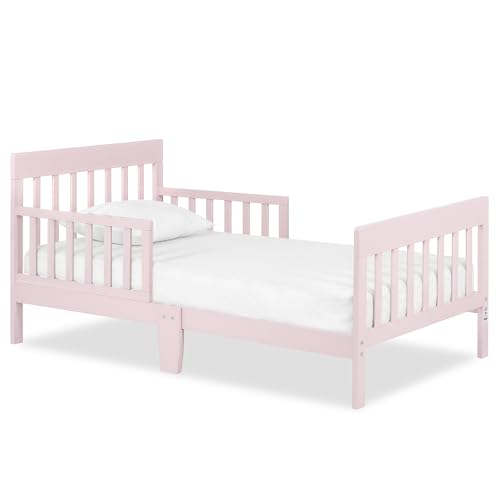
- ✓ Safe, low-to-floor design
- ✓ Easy to climb in/out
- ✓ Non-toxic, eco-friendly finish
- ✕ Limited color options
- ✕ Mattress sold separately
| Material | New Zealand pinewood with non-toxic finish |
| Dimensions | 53″L x 30″W x 24.5″H |
| Weight Capacity | Supports up to 50 lbs |
| Safety Features | Two reinforced side bed rails and sturdy center legs |
| Certifications | GREENGUARD Gold, BSA, ASTM, CPSC |
| Intended Age Range | Typically suitable for children transitioning from crib to toddler bed, approximately 18 months to 3 years |
The moment I set eyes on the Dream On Me Finn toddler bed, I immediately noticed its low-to-floor design. It’s practically at a child’s eye level, which makes climbing in and out feel like a natural, confident move for little ones.
No more lifting or worrying about falls—your toddler can do it themselves, which is such a game-changer.
The sturdy pinewood frame feels solid yet lightweight enough for easy moving around. I love the built-in safety rails—two reinforced sides—that keep your kiddo secure without feeling cramped.
The center legs add extra stability, so you don’t have to worry about wobbling or tipping. Plus, the non-toxic, sustainably sourced finish makes it safe for sensitive little skin.
Assembly was straightforward—just a few screws, and it came together quickly. The size, measuring 53″ by 30″ with a height of 24.5″, fits perfectly in most bedrooms without taking up too much space.
The clean, natural look of the pine matches pretty much any nursery decor, and the GREENGUARD Gold certification reassures you about the air quality and chemical safety.
This bed feels like a natural step up from a crib, especially as your child starts to want independence. It’s sturdy enough to support up to 50 lbs, so it’ll last through many years of use.
Whether transitioning from a crib or needing a safe, comfortable spot for naps, I think this bed hits the sweet spot in both safety and style.
What Signs Should You Look For That Indicate It’s Time to Transition to a Toddler Bed?
There are several signs that indicate it’s time to transition your child to a toddler bed:
- Climbing Out of the Crib: If your child is attempting to climb out of their crib, it is a clear sign they may be ready for a toddler bed. This behavior can pose safety risks, and transitioning to a bed can provide them with more freedom while ensuring their safety.
- Age Consideration: While there is no strict age for transitioning, many experts suggest that around 18 months to 3 years is the best age to transfer to a toddler bed. Children usually outgrow their cribs by this age as they become more mobile and restless during sleep.
- Expressing Interest: If your child shows curiosity about sleeping in a “big kid” bed or talks about wanting to sleep like older siblings or friends, it may be a good time to make the switch. This interest can make the transition smoother, as they feel excited about the new experience.
- Changing Sleep Patterns: Noticeable changes in your child’s sleep habits, such as difficulty sleeping in a crib or frequent wake-ups, can indicate they are ready for a toddler bed. A more spacious bed might help them feel comfortable and secure, leading to better sleep quality.
- Potty Training: If your child is in the process of potty training or has successfully trained, a toddler bed can facilitate easier access to the bathroom during the night. This independence can empower them and contribute to their confidence in their abilities.
What Are the Typical Age Ranges for Moving a Child to a Toddler Bed?
The typical age ranges for moving a child to a toddler bed can vary based on the child’s development and family preferences.
- 18-24 months: Many parents start considering a transition to a toddler bed around this age as children may begin to climb out of their cribs, signaling readiness for a bed.
- 2-3 years: This age range is often viewed as ideal for transitioning, as children are usually more capable of understanding the concept of bedtime and may benefit from the independence of a toddler bed.
- 3 years and older: For some families, waiting until the child is 3 or older is preferable, especially if the child is still sleeping well in the crib and isn’t showing signs of wanting to transition.
Transitioning to a toddler bed at 18-24 months can be a practical choice, especially for active children who are eager to explore. This age often coincides with increased mobility and curiosity, prompting parents to create a safer sleep environment.
Moving to a toddler bed between 2-3 years can be beneficial as children typically have better communication skills and cognitive development, making it easier for them to understand the rules surrounding bedtime and the new sleeping arrangement.
For some parents, waiting until the child is 3 years old or older may be advantageous. At this age, children are generally more emotionally and physically prepared for the transition, which can lead to a smoother adjustment to sleeping in a bed.
What Key Factors Should You Consider Before Transitioning to a Toddler Bed?
When considering the transition to a toddler bed, several key factors should be evaluated to ensure a smooth and safe change.
- Child’s Age: The best age to transfer to a toddler bed typically falls between 18 months and 3 years. This range allows for sufficient physical and emotional development, as children are often ready to explore their independence and may resist being confined to a crib.
- Physical Development: Assessing your child’s physical abilities is crucial; they should be able to climb in and out of bed safely. If your child shows signs of climbing out of the crib, it may be time to make the transition to prevent potential falls and injuries.
- Behavioral Readiness: Behavioral signs of readiness include showing interest in a bed, expressing desire for independence, or consistently climbing out of the crib. If your child is exhibiting these behaviors, they may be prepared for the change, making it easier to adapt to a toddler bed.
- Sleep Patterns: Evaluate your child’s sleep patterns; if they are regularly sleeping through the night in their crib, it may be a good time to transition. Disruptions in sleep can occur during the switch, so ensuring they have a stable sleep routine beforehand can help ease the process.
- Safety Considerations: Ensure that the new toddler bed meets safety standards and that the surrounding area is child-proofed. Installing guardrails, securing furniture, and removing hazards can prevent accidents as your child adjusts to their new sleeping arrangement.
- Emotional Readiness: Pay attention to your child’s emotional cues; they should feel secure and comfortable with the idea of moving to a toddler bed. If your child shows anxiety or fear about the transition, it may be beneficial to wait until they are more emotionally prepared.
- Family Dynamics: Consider how the transition aligns with family dynamics, such as the arrival of a new sibling or changes in routine. Timing can impact a child’s ability to adapt, so choosing a stable period for the transition can lead to a smoother adjustment.
What Benefits Can Come from Transitioning to a Toddler Bed?
Transitioning to a toddler bed can offer several benefits for both children and parents.
- Improved Independence: Moving to a toddler bed encourages a child to feel more independent as they can get in and out of bed themselves. This newfound freedom helps them develop confidence and self-reliance in their nighttime routine.
- Enhanced Comfort: Toddler beds are designed with the child’s size in mind, providing a more comfortable sleeping environment. The right bed can support better sleep, promoting growth and overall well-being for the child.
- Ease of Transition: Transitioning to a toddler bed can be smoother than moving to a standard twin bed, as these beds are typically lower to the ground, reducing the risk of falls. This design makes it easier for parents to reassure their child during the transition phase.
- Encouragement of Good Sleep Habits: A toddler bed can help establish a routine that promotes good sleep habits. With their own bed, children may be more inclined to stay in bed throughout the night, leading to better sleep for both the child and the parents.
- Space for Growth: As children grow, a toddler bed can serve as a transitional space between a crib and a full-sized bed. It offers the perfect balance of comfort and security, allowing children to adjust to the idea of a larger sleeping space gradually.
What Common Challenges Might You Face During the Transition to a Toddler Bed?
The transition to a toddler bed can present several challenges that parents should be prepared for.
- Sleep Disruption: Transitioning from a crib to a toddler bed can lead to sleep disruptions as children may get out of bed more frequently. This newfound freedom can lead to late-night wanderings, making it difficult for parents to maintain a consistent sleep schedule.
- Safety Concerns: With a toddler bed, there is an increased risk of falls as children may roll out during the night. Parents need to ensure that the bed is set up safely, possibly using bed rails or placing the mattress on the floor to minimize injury.
- Emotional Resistance: Some children may be emotionally attached to their cribs and resist the change to a toddler bed. This reluctance can lead to tantrums or anxiety around bedtime, making the transition challenging for both the child and the parents.
- Increased Independence: While increased independence can be positive, it can also lead to challenges as children may want to assert this newfound freedom. This can manifest in them getting out of bed repeatedly, testing boundaries, and engaging in play instead of sleeping.
- Adjustment to New Routine: Moving to a toddler bed often requires a new bedtime routine, which may take time for children to adjust to. Parents may need to implement new strategies for bedtime to help their child feel secure and comfortable in their new sleeping arrangement.
What Practical Tips Can Help Make the Transition to a Toddler Bed Smooth?
Several practical tips can facilitate a smooth transition to a toddler bed.
- Choose the Right Time: Consider transitioning when your child is ready, typically between 18 months and 3 years. Watch for signs like climbing out of the crib or showing interest in a bed.
- Involve Your Child: Let your toddler participate in the selection of their new bed or bedding. This ownership can make them excited about the transition and feel more secure in their new sleeping environment.
- Maintain a Consistent Routine: Stick to your existing bedtime routine to provide a sense of familiarity. Consistency in activities like reading a story or having quiet time will help your child adjust to the new bed.
- Make the Bed Safe: Ensure the toddler bed is safe by using guardrails and keeping the sleeping area free of hazards. This can help prevent falls and make your child feel secure while sleeping.
- Use Positive Reinforcement: Encourage your child with praise and rewards for sleeping in their new bed. Positive reinforcement can motivate them to embrace the change and make bedtime a positive experience.
- Address Nighttime Fears: Be prepared to address any fears your child may have about the new bed or sleeping alone. Reassure them and consider using nightlights or comfort items to help ease their anxiety.
What Mistakes Should You Avoid When Transitioning to a Toddler Bed?
When transitioning to a toddler bed, there are several common mistakes to avoid to ensure a smooth adjustment for both the child and the parents.
- Rushing the Transition: It’s important to wait until your child is ready to move to a toddler bed, typically between 18 months and 3 years. Rushing this transition can lead to sleep disruptions and increased anxiety for the child if they are not developmentally prepared.
- Not Involving Your Child: Failing to involve your child in the process can cause resistance. Allowing them to choose their bed or bedding can make them feel more in control and excited about the change.
- Neglecting Safety Measures: Not ensuring the toddler bed is safe can lead to accidents. Make sure the bed is low to the ground with guardrails to prevent falls, and remove any potential hazards in the room.
- Ignoring Bedtime Routines: Disregarding established bedtime routines during the transition can be counterproductive. Keeping a consistent routine helps signal to your child that it’s time to sleep, making the transition smoother.
- Overlooking the Importance of a Comfortable Environment: Not creating a cozy sleep environment can affect your child’s willingness to sleep in their new bed. Ensure the room is dark, quiet, and comfortable, and consider using familiar items like stuffed animals or blankets to provide comfort.
- Setting Unrealistic Expectations: Expecting an immediate adjustment can lead to frustration. Understand that it may take time for your child to adapt to sleeping in a toddler bed, and be patient during this adjustment period.