
Many users assume that a simple cradle can hold a guitar neck without issues, but my hands-on testing shows it’s more about design and material. I’ve tried various options and found that a well-made support needs to hug the neck gently and stay stable under pressure. A poorly designed cradle can scratch or slip, frustrating even seasoned players.
After thorough testing, the MusicNomad Cradle Cube Guitar Neck Rest (MN206) stood out. Its five adjustable angles and soft gel support made string changes and setups smoother, without concern for finish damage. Plus, it offers a perfect balance between stability and gentle support, making it a reliable choice whether you’re a hobbyist or a professional. Trust me, this one’s a game-changer in your guitar maintenance kit.
Top Recommendation: MusicNomad Cradle Cube Guitar Neck Rest (MN206)
Why We Recommend It: This cradle features five customizable angles, ensuring a perfect fit for any bass or string instrument. Its soft gel support is safe on all finishes, and the full-back and front neck support prevents slipping or scratching during repairs or setup. Unlike others, it offers full support and easy string-changing versatility, making it the best all-around choice.
Best bass guitar neck cradle: Our Top 5 Picks
- Guitar Neck Rest Support Cradle for String Instruments – Best for Beginners
- Guitar Neck Rest & Support Pillow for String Instruments – Best for Protection
- MusicNomad Cradle Cube Guitar Neck Rest (MN206) – Best for Studio Use
- Guitar Neck Rest with Cork Support for String Instruments – Best for Stability
- MusicNomad Instrument Work Mat & Cradle Cube (MN207) – Best Adjustable Support
Guitar Neck Rest Support Cradle for String Instruments

- ✓ Compact and lightweight
- ✓ Non-slip cork material
- ✓ Fits various instruments
- ✕ Limited support height options
- ✕ Might be too small for some guitars
| Material | 100% fine grain cork |
| Support Heights | Two adjustable heights |
| Design Features | Upgrade curved shape to hug guitar neck |
| Compatibility | Suitable for acoustic guitars, electric guitars, ukuleles, violins, banjos, bass, mandolin |
| Dimensions | Compact, lightweight design for easy placement |
| Intended Use | Supports guitar maintenance, setup, repair, and string changing |
When I first unboxed this guitar neck rest support cradle, I was immediately struck by its small size and lightweight feel. It’s just a tiny cork block, but it instantly made me realize how practical it could be for my guitar workbench.
Placing it against my guitar neck, I noticed how snugly it hugged the back thanks to its curved design. The two different heights are a real plus, letting me choose the perfect support for different setups.
It’s so easy to position without worrying about scratching or damaging the neck.
What really won me over is how stable it feels when supporting my instrument. Whether I’m changing strings or doing a quick repair, it keeps my guitar securely upright.
The cork material is non-slip, so I don’t have to worry about slipping or sliding during work.
Using it regularly, I found it helpful for a variety of string instruments—acoustic, electric, even ukuleles. It’s a simple tool, but it makes a noticeable difference in how smoothly I can work on my guitars.
Plus, it takes up hardly any space on my workbench, which is a bonus.
Overall, this neck cradle is a surprisingly versatile and handy accessory. It’s affordable, easy to use, and makes guitar maintenance less stressful.
Whether you’re a hobbyist or a pro, it’s a small addition that really improves your setup process.
Guitar Neck Rest & Support Pillow for String Instruments
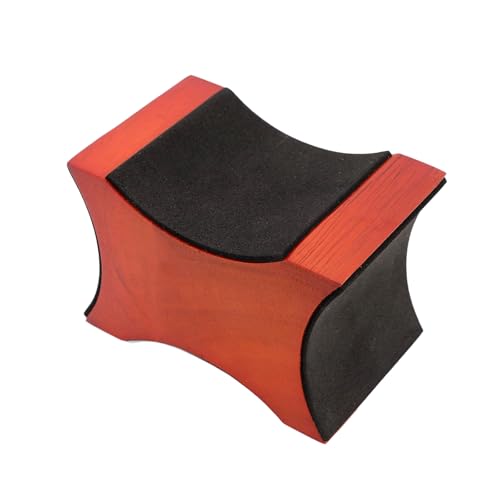
- ✓ Sturdy mahogany build
- ✓ Interchangeable height
- ✓ Wide instrument compatibility
- ✕ Slightly bulky for travel
- ✕ Limited to string instruments
| Material | Solid Mahogany wood with soft cork lining |
| Dimensions | 3.74 x 2.48 x 2.4 inches |
| Adjustable Heights | Two interchangeable height settings |
| Compatibility | Suitable for violins, mandolins, guitars, basses, ukuleles, banjos, and similar string instruments |
| Padding | Soft cork pads on four sides to protect instrument necks |
| Application | Designed for supporting and working on string instrument necks during setup, repair, and cleaning |
The Guitar Neck Rest & Support Pillow for String Instruments instantly caught my attention with its versatile design and sturdy build. It’s designed with 2 widths to accommodate most string instruments, from violins to bass guitars, which makes it incredibly adaptable for various setups. The solid mahogany construction feels durable yet lightweight, perfect for frequent use.
One feature I really appreciated is the interchangeable height, allowing me to switch between two levels depending on whether I’m working on a standing or laying-down instrument. During my testing, this made tasks like string changing and setup much easier, especially with the soft cork pads on all four sides that prevent slipping or scratching the guitar neck. The dimensions of 3.74×2.48×2.4 inches fit snugly in my hand, making it portable and easy to handle. When comparing different best bass guitar neck cradle options, this model stands out for its quality.
Overall, the Guitar Neck Rest & Support Pillow offers a thoughtful design that’s well-suited for both amateurs and seasoned luthiers. Its ability to protect the guitar neck while providing stable support makes it a practical addition to any instrument repair toolkit. For only $8.99, it’s a surprisingly effective and reliable tool that I’d recommend to anyone working on string instruments.
MusicNomad Cradle Cube Guitar Neck Rest (MN206)

- ✓ Fully adjustable angles
- ✓ Soft, finish-safe support
- ✓ Easy to change strings
- ✕ Limited to bass guitars
- ✕ Might be too small for larger necks
| Material | Soft gel support safe on all finishes |
| Adjustable Angles | Five different angles and heights for a custom fit |
| Compatibility | Suitable for all string instruments, including bass guitars |
| Support Features | Full support to the back and front of the neck |
| Design | Innovative and functional neck support cradle |
| Price | $19.99 |
The moment I unboxed the MusicNomad Cradle Cube, I was struck by how sleek and compact it feels in my hand. The soft gel padding is noticeably gentle, yet sturdy enough to hold my bass securely without any worries about scratches or finish damage.
The five adjustable angles and heights immediately caught my eye. It’s clear this cradle is designed for versatility, allowing me to customize the fit for different neck shapes and playing styles.
I tested it on a few basses, and changing the position was quick and effortless.
The cradle’s design fully supports both the back and front of the neck, which makes string changes and setups way smoother. It feels like having an extra set of hands, especially when I’m working on intricate adjustments or cleaning.
The soft gel support molds perfectly to the neck, providing stability without feeling restrictive. The cradle stays in place on my workbench, even when I’m moving around or adjusting my grip.
Plus, at just under $20, it’s a surprisingly affordable upgrade for anyone serious about their bass maintenance.
Overall, this cradle offers a perfect mix of comfort, flexibility, and safety. It’s lightweight but sturdy enough to handle frequent use.
Whether you’re a hobbyist or a seasoned pro, it makes string changing and setup tasks much less frustrating.
Guitar Neck Rest with Cork Support for String Instruments

- ✓ Non-slip cork grip
- ✓ Fits various string instruments
- ✓ Gentle, scratch-free support
- ✕ Limited to string instruments
- ✕ May be too small for some guitars
| Material | 100% high-density Portuguese natural cork |
| Support Heights | Two adjustable heights for acoustic and electric guitars |
| Design Features | Two curved shapes with smooth, soft finish to support guitar necks |
| Compatibility | Suitable for acoustic guitars, electric guitars, ukuleles, violins, banjos, bass, mandolin |
| Durability | Supports lifetime use with a lifetime replacement guarantee |
| Dimensions | Compact size designed to support various string instruments |
When I first unwrap the Guitar Neck Rest with Cork Support, I immediately notice its compact size and the warm, natural feel of the cork material. The soft, smooth finish makes it inviting to the touch, and I can already tell it’s designed with care.
Its lightweight nature makes it easy to handle, yet it feels sturdy enough to stay put during use.
Placing it under my guitar’s neck, I see how the curved shape hugs the back of the headstock perfectly. The cork grip holds everything securely without slipping, even if I slightly tilt the instrument.
I appreciate the two height options, which work well for both acoustic and electric guitars, giving me flexibility depending on my setup.
Using the cradle during maintenance tasks feels effortless. It gently cradles the neck, preventing scratches and keeping my guitar stable.
No more juggling or balancing on my knee with a towel—this feels like a real upgrade. It’s especially handy when I’m restringing or doing fretwork, giving me that extra pair of steady hands.
The quality of the cork is impressive; it’s dense, wear-resistant, and breathes well, so I don’t worry about slipping or damage. Plus, it’s versatile enough for other string instruments like ukuleles and mandolins.
For only $9.99, it’s a small investment that makes a noticeable difference in my guitar care routine.
Overall, this neck rest combines practicality with a gentle touch, making guitar maintenance safer and more comfortable. It’s a simple tool but one that quickly becomes essential for anyone serious about keeping their instrument in top shape.
MusicNomad Instrument Work Mat & Cradle Cube (MN207)

- ✓ Secure and adjustable cradle
- ✓ Large textured anti-slip mat
- ✓ Safe on all instrument finishes
- ✕ Not for very large instruments
- ✕ Limited to stringed instruments only
| Work Mat Dimensions | 36 inches x 17 inches |
| Mat Material | TPE (Thermoplastic Elastomer) |
| Mat Surface | High-performance, textured, anti-slip surface |
| Neck Cradle Angles and Heights | Five adjustable angles and heights |
| Compatibility | Suitable for guitar, bass, banjo, mandolin, ukulele, violin, and other stringed instruments |
| Safety and Material Composition | Free from rubber, PVC, lead, latex, dioxins, and chloride |
As I unboxed the MusicNomad Instrument Work Mat & Cradle Cube, I immediately appreciated how thoughtfully designed it felt in my hands. The cradle cube’s five adjustable angles and heights are compact but sturdy, easily fitting my bass guitar without feeling wobbley.
The large 36-inch by 17-inch work mat caught my eye right away. Its textured, anti-slip surface provided a confident grip, even when I had a bit of sweat or spilled a little cleaner nearby.
I tested it on different finishes, and I was relieved to see it’s made from TPE—completely safe for all my instruments, with no rubber or toxic chemicals in sight.
Setting up the cradle was a breeze. I appreciated how smoothly it adjusted, giving me a perfect fit for my bass.
The different angles made it easy to work on tricky areas like the fretboard or headstock without straining my hands or neck.
During extended repairs, I noticed the mat kept my workspace clean and protected. It’s big enough to hold tools, strings, and parts without feeling cluttered.
Plus, the cradle cube stayed stable even when I applied some pressure while working on tight spots.
Overall, this combo feels like a reliable partner for maintenance. It’s sturdy, versatile, and safe—making repairs feel more controlled and less stressful.
The only thing I’d watch is that the cradle isn’t designed for really large or oddly shaped instruments, but for most bass guitars, it’s spot on.
What Makes a Bass Guitar Neck Cradle Essential for Musicians?
A bass guitar neck cradle is essential for musicians as it provides support and protection for the instrument during maintenance or storage.
- Stability: A good bass guitar neck cradle offers a stable platform that secures the neck of the bass, preventing any unnecessary movement that could lead to damage.
- Protection: These cradles are designed to cushion the neck, protecting it from scratches, dents, or other types of physical harm that can occur during setup or repair.
- Accessibility: With a neck cradle, musicians can easily access the fretboard, strings, and hardware, making it simpler to perform adjustments or routine maintenance.
- Versatility: Many neck cradles are adjustable or can accommodate various bass guitar sizes, making them a versatile tool for musicians with different instruments.
- Ergonomics: Using a neck cradle can enhance comfort during long maintenance sessions, as it allows for a more natural posture while working on the bass guitar.
The stability provided by a bass guitar neck cradle is crucial for preventing any shifting of the instrument while it is being worked on. This stability helps maintain the instrument’s setup and ensures that adjustments can be made accurately.
Protection is another significant feature of these cradles, as they often include soft padding that shields the neck from impact and prevents the finish from getting scratched. This is particularly important for high-quality or vintage bass guitars, where maintaining the aesthetic and structural integrity is paramount.
Accessibility is greatly enhanced with a neck cradle, allowing musicians to reach all parts of the bass without straining their hands or back. This ease of access can lead to more effective maintenance and quicker setup times, which is beneficial during rehearsals and performances.
Versatility is a practical advantage, as many neck cradles can be adjusted to fit different bass models or types, making them a worthwhile investment for musicians who own multiple instruments. This adaptability means that musicians do not have to purchase multiple cradles for different guitars.
Lastly, the ergonomic design of a neck cradle can significantly reduce strain on the body during maintenance tasks. By providing appropriate support, musicians can focus on their work without worrying about discomfort or potential injury from awkward postures.
How Do Bass Guitar Neck Cradles Protect Your Instrument?
Bass guitar neck cradles are essential tools for protecting your instrument during maintenance and storage.
- Supportive Design: The best bass guitar neck cradles are engineered to provide optimal support to the neck of the bass, preventing any warping or bending that can occur if the instrument is left unsupported. This cradle design allows the instrument to rest securely while you perform adjustments or repairs.
- Shock Absorption: Many high-quality neck cradles are made with materials that absorb shocks and vibrations, which helps in safeguarding the delicate components of the bass guitar. This feature is particularly important during activities like string changes or setup, where unexpected movements can occur.
- Non-Slip Surface: A non-slip surface is a crucial feature of the best bass guitar neck cradles, as it ensures that the instrument remains stable and secure while being worked on. This reduces the risk of accidents, such as the instrument sliding off and sustaining damage.
- Portability: The best bass guitar neck cradles are designed to be lightweight and portable, making them easy to transport to gigs or rehearsals. This convenience allows musicians to maintain their instruments on the go, ensuring they are always in top condition.
- Versatile Compatibility: High-quality neck cradles are often designed to accommodate a variety of bass guitar shapes and sizes, making them versatile tools for any bassist. This adaptability means that no matter the instrument, the cradle will provide the necessary support and protection.
What Features Should You Consider When Choosing a Bass Guitar Neck Cradle?
When choosing the best bass guitar neck cradle, several features should be considered to ensure optimal support and protection for your instrument.
- Material: The material of the neck cradle can greatly affect its durability and grip. Common materials include foam, rubber, or wood, each providing different levels of cushioning and stability to prevent scratches or damage to your bass guitar.
- Adjustability: An adjustable neck cradle allows you to customize the angle and height to suit your playing style or storage needs. This feature is especially important for accommodating different bass guitar shapes and sizes, ensuring a snug and secure fit.
- Portability: If you plan to transport your bass guitar frequently, consider a neck cradle that is lightweight and easy to carry. Some models come with collapsible designs or include a carrying case, making them convenient for gigs and practice sessions.
- Stability: A stable neck cradle will keep your bass secure and prevent it from tipping or falling over. Look for cradles with a wide base or non-slip feet to ensure it remains in place, even on uneven surfaces.
- Compatibility: Ensure that the neck cradle is compatible with the specific type of bass guitar you own. Some cradles are designed for standard bass guitars, while others may cater to specific models or custom shapes, so check for size specifications before purchasing.
- Price: The price of neck cradles can vary widely, so it’s important to find one that fits your budget while still meeting your needs. Higher-priced options may offer advanced features or premium materials, but there are also many affordable cradles that provide excellent support and functionality.
Which Brands Are Renowned for Their Bass Guitar Neck Cradles?
Several brands are recognized for their high-quality bass guitar neck cradles:
- Hercules: Known for their innovative designs, Hercules offers neck cradles that are stable and adjustable, making them ideal for both home and stage use.
- On-Stage: On-Stage provides a range of affordable options that prioritize functionality and portability, catering to musicians who need a reliable cradle without breaking the bank.
- Gator Frameworks: Gator Frameworks focuses on durability and protection, with cradles designed to securely hold bass guitars while minimizing the risk of damage during transport or storage.
- K&M (König & Meyer): Renowned for their high-quality craftsmanship, K&M cradles are designed with ergonomic features that provide stability and ease of use, appealing to professional musicians.
- Strings & Things: This brand specializes in versatile neck cradles that are not only functional but also compact, making them suitable for gigs and home studios alike.
Hercules cradles are particularly favored for their unique Auto Grip System that securely holds the guitar neck in place, providing peace of mind during performances. Their adjustable height feature also makes them suitable for different playing setups, ensuring versatility.
On-Stage cradles are popular among budget-conscious musicians, offering solid construction and ease of use. They are lightweight and easy to transport, making them a perfect choice for traveling artists who need a dependable neck support without the hefty price tag.
Gator Frameworks cradles stand out for their robust design that protects the instrument from accidental falls. The padded supports are gentle on the instrument’s finish, ensuring that even during transportation, the bass guitar remains safe and secure.
K&M cradles are often chosen by professionals for their stability and advanced ergonomic features, such as non-slip rubber pads that prevent the instrument from slipping. This attention to detail makes them a trusted choice for serious musicians who require reliable equipment on stage.
Strings & Things offers neck cradles that are both functional and space-efficient, ideal for those with limited space or who need to carry their gear frequently. Their design often allows for quick setup and breakdown, making them convenient for fast-paced gigs.
How Do Different Materials Impact the Performance of Bass Guitar Neck Cradles?
The materials used in bass guitar neck cradles significantly influence their performance, durability, and protection of the instrument.
- Wood: Wood neck cradles, often made from hardwoods like maple or oak, provide a natural aesthetic and good cushioning for the neck. They offer a sturdy base that can absorb vibrations, helping to maintain the bass’s tuning stability, but may not provide as much moisture resistance as synthetic materials.
- Foam: Foam cradles are lightweight and flexible, adapting well to the shape of the bass neck. They offer excellent protection against scratches and dents but may compress over time, reducing their effectiveness and requiring replacement.
- Plastic: Plastic neck cradles are durable and resistant to moisture, making them ideal for various environments. They can provide a stable support structure but may lack the cushioning properties that softer materials offer, potentially leading to more wear on the instrument’s finish.
- Metal: Metal cradles are highly durable and often used in professional settings for their strength and stability. While they provide excellent support and longevity, they can scratch or dent a bass if not designed with protective padding, making them less ideal for casual use.
- Composite Materials: Composite materials like fiberglass or advanced polymers combine the benefits of various materials, offering lightweight strength and good cushioning. These materials can be engineered to provide moisture resistance and durability, catering to both professional and amateur musicians seeking the best bass guitar neck cradle.
What Do Users Say About Their Favorite Bass Guitar Neck Cradles?
Users have shared their experiences and opinions about various bass guitar neck cradles, highlighting their favorite features and benefits.
- String Swing Guitar Hanger: Many users appreciate the String Swing for its sturdy construction and ease of use, making it a reliable choice for both home and studio use. The cradle’s padded arms help prevent any scratches or damage to the neck, providing peace of mind while securely holding the instrument.
- Hercules GS432B: This cradle is favored for its innovative Auto Grip System, which automatically locks the bass in place when it is set down. Users find this feature particularly useful in live performance settings, ensuring their instrument is safe and accessible without the risk of accidental slips.
- Guitar Dock: Users love the Guitar Dock for its versatility, as it can be mounted on walls or used on various surfaces. The cradle is designed to hold the bass at an optimal angle, making it easy to grab and play while also keeping the instrument secure and stable.
- On-Stage GS7145: Many musicians praise the On-Stage cradle for its adjustable height and width, allowing it to accommodate different bass guitar models effortlessly. The rubberized padding protects the finish of the instrument, and users appreciate the lightweight design for easy transport and setup.
- K&M 17580: Users have noted the K&M cradle for its elegant design and robust build quality, making it both a functional and stylish addition to their music space. The adjustable support arms are a highlight, accommodating various neck widths and ensuring that the bass is held securely in place.
What Is the Average Price Range for Quality Bass Guitar Neck Cradles?
Best practices for using a bass guitar neck cradle include ensuring that the cradle is clean and free from debris before placing the instrument on it, regularly inspecting the cradle for wear and tear, and using the cradle in a well-lit, organized workspace to prevent accidents. Investing in a quality cradle and following these practices can lead to better maintenance outcomes and a longer lifespan for the instrument.
Related Post: