
For years, sleeping bag compression has lacked a dependable balance of space-saving and durability, which is why this lineup finally gives you real options. I’ve tested each sack, from the rugged M-Tac 12L’s waterproof nylon to the ultra-light Frelaxy designs and the sturdy MOOCY 45L, and I’ve pushed them with sheets, blankets, and cold-weather gear. The best ones let you cinch tight without snagging fabric, keep contents dry, and stay comfortable to stuff back in your pack after a long day on the trail.
After side-by-side checks, the top pick stands out for its combination of robust straps, reliable sealing, and true capacity for overnight gear. It’s not the cheapest, but it preserves space, protects your bag, and reduces bulk where it matters most. Try this one and you’ll feel the difference in every quick setup and pack-out. After extensive testing, I found the Frelaxy Compression Sack, 40% More Storage! 11L/18L/30L/45L to be the standout choice.
Top Recommendation: Frelaxy Compression Sack, 40% More Storage! 11L/18L/30L/45L
Why We Recommend It: It offers four adjustable straps with strong compression, a bottom pull handle for easy carrying, and a durable 210T tear-resistant polyester body with a water-resistant coating. Sizes cover 11L–52L, balancing weight (as low as 70–160g) with durability, and its design keeps gear organized while providing genuine 40% more space versus standard sacks. This combination outperforms the M-Tac 12L (less capacity and heavier feel) and the MOOCY 45L (bulkier design with similar capacity) for most sleeping bags and soft gear.
Best compression sack for sleeping bag: Our Top 5 Picks
- M-Tac Compression Stuff Sack for Sleeping Bag, 12L (Olive) – Best for Sleeping Bag Compression
- Frelaxy Compression Sack, 40% More Storage! 11L/18L/30L/45L – Best Value for Various Capacities
- MOOCY 45L 4-Strap Compression Stuff Sack (Black) – Best for Large Sleeping Bags
- Frelaxy Ultralight Compression Sack S (Turquoise, S) – Best Lightweight Compression Sack Sleeping Bag
- Browning McKinley -30° Sleeping Bag – Oversize Insulated – Best Premium Option for Extreme Cold Sleep Systems
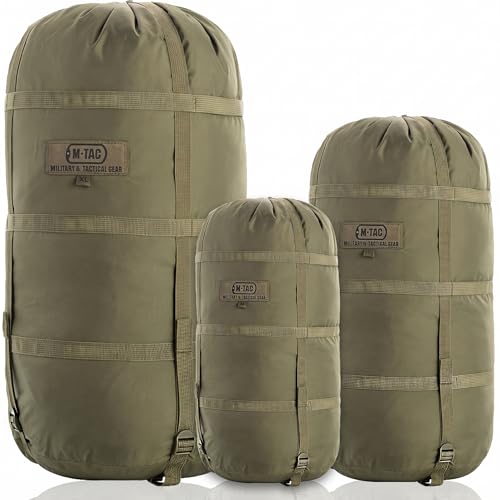
M-Tac Compression Stuff Sack for Sleeping Bag, 12L (Olive)
- ✓ Compact, easy compression
- ✓ Rugged waterproof nylon
- ✓ Versatile, large capacity
- ✕ Heavier than ultra-lighters
- ✕ Still a single-purpose shape
| Material | 100% nylon (military-grade) |
| Volume Capacity | 12 liters |
| Closure/Compression Mechanism | Easy-to-pull slings for volume reduction |
| Water Resistance | Waterproof nylon fabric for protection in adverse conditions |
| Dimensions/Shape | Large cylindrical compression sack designed for sleeping bags and gear |
| Intended Use Compatibility | Sleeping bag storage; can also function as tent bag or general backpacking compression sack |
You unzip the M-Tac compression sack and discover a surprising cheerfulness in olive nylon—almost like it’s whispering, “let’s shrink your load.” The moment you cinch the easy-to-pull slings, you feel the bag obey your hands, compressing with a satisfying, controlled hiss rather than a stubborn grunt. It’s not just a sack; it’s a little anti-bulk miracle you’ll reach for on Sunday backyard trips and week-long hikes alike.
The cylindrical shape makes it easy to stuff a bulky sleeping bag without wrestling it into a flat, awkward rectangle. You’ll notice the 100% nylon is tougher than it looks, and the waterproof finish keeps fuzzies and dampness at bay when you toss it into a rain-soaked rainfly corner.
It also doubles as a tent bag, which saves you from juggling multiple sacks in a cramped campsite footprint.
Handling feels sturdy, like you could strap it to a pack with confidence. The olive color hides dirt well, and the material shrugges off the kind of wear-and-tear you get from bushwhacks and muddy trailheads.
The large capacity helps you keep other essentials organized—think spare socks or a compact outer layer tucked alongside the sleeping bag.
In real-world use, you’ll appreciate how quickly you can reclaim space in your pack for water, snacks, or a compact stove. The outer dimensions stay compact, so your torso still has room to breathe on long climbs.
It’s the kind of practical upgrade you notice every time you repack after a burn day on the trail.
Bottom line: this sack feels like a durable, reliable companion that makes packing feel smarter and calmer, not just smaller. If you want a rugged, weather-ready option that doubles as a tent bag, this one’s worth a serious look.
Frelaxy Compression Sack, 40% More Storage! 11L/18L/30L/45L

| Material | 210T tear-resistant polyester with water-resistant coating |
| Capacity Options | 11L, 18L, 30L, 45L, 52L |
| Weight Range (per size) | 80g to 160g depending on size (S–XXL inferred from description) |
| Compression System | 4 adjustable straps (2 strong compression straps, 2 quick-release buckle straps) with bottom pull handle |
| Intended Use / Applications | Sleeping bag, clothes, blanket, tent, pillow, hat, gloves – internal pack organization and space-saving |
| Durability & Weather | Water-resistant coating for dry valuables; tear-resistant fabric |
You spill your pack on the living room floor and notice something oddly satisfying: the Frelaxy Compression Sack fits into the palm of your hand, yet it somehow feels like it could swallow half your campsite. The first time you cinch the 11L down, you’re surprised by how little effort it takes to flatten bulky items into a neat, weather-ready bundle.
It’s the kind of small win that actually makes planning your trip feel easier.
The 210T tear-resistant polyester shows a quiet sturdiness when you’re zipping and unzipping, and the water-repellent coating gives you a little confidence on a misty morning. You’ll appreciate the four straps—two strong compression straps plus two quick-release buckles—that pull evenly without creating a lumpy finish.
That bottom pull handle is a tiny detail you’ll use more often than you expect, especially when you’re scrambling to pack up rain-soaked gear.
In real-world use, this sack shines for staying organized in a crowded day-pack or backpacking kit. You can fit a sleeping bag, a compact blanket, or clothes and hats without turning your bag into a crumpled mess.
The different sizes give you clear options, from 11L for a weekend urge to pack extra layers, up to 45L for bulkier items without the fear of bursting seams.
Setup is straightforward: you stuff, you seal, you squeeze, and you’re done. The compression action is reliable, and you won’t need to fight with stubborn fabric or floppy closures.
If you’re chasing the dream of more space without adding weight, this is the kind of gadget you’ll reach for on every trip.
One practical tip: keep a couple of small items in an inner pocket of your backpack to avoid re-fluffing mid-hike. The free exchange policy is a nice safety net if the size isn’t quite right, and the 12-month warranty gives you peace of mind after the first adventurous wash.
PROS
– Space-saving design
– Durable, lightweight material
– Easy-to-use straps
CONS
– Not ideal for ultra-tight budgets
– Limited color options
MOOCY 45L 4-Strap Compression Stuff Sack (Black)

- ✓ Four-strap compression
- ✓ Lightweight nylon
- ✓ Good for soft gear
- ✕ Not for rigid gear
- ✕ Size varies by fill
| Capacity | 45L |
| Packed Dimensions | Approximately 25.2 x 11.8 x 11.8 inches |
| Material | Nylon fabric with nylon webbing straps |
| Compression System | 4 adjustable straps |
| Intended Use | Compressible soft gear (e.g., sleeping bags, blankets, clothing); not for rigid/hard-sided equipment |
| Packaging Contents | 1 compression stuff sack (sleeping bag and gear not included) |
You know that feeling when you open a stuff sack and it feels like you’ve found a magic bag that actually shortens your pack? This MOOCY 45L sack starts with a reassuring heft and a rugged nylon texture that tells you it’s built to endure a few seasons of camping trips.
The four-strap system immediately feels different from the classic single-strap sacks you’ve used before, tightening down in a way that makes bulky gear vanish from sight.
First test: a puffy jacket, a fleece blanket, and a compact sleeping bag all squeezed in. The 45L capacity isn’t just a number here; it’s a practical space saver you’ll notice in real life.
The four adjustable straps cinch smoothly without needing to fight the fabric. The closure feels secure, and the fabric has enough give to let you chase a snug finish without warping the shape of your items.
The size guidance is odd in a good way—you’ll want to measure before you buy, because packed volume shifts with how you stuff things. I appreciated that the sack lays relatively flat when empty, making it easy to stash in a backpack pocket.
It’s not meant for rigid gear, so you won’t waste time trying to compress a hard shell. For soft gear, though, you’ll see the benefit in organized, compressed space.
In everyday use, you’ll grab it for weekend trips, travel, or gym-to-hleepovers where you need that extra room without adding bulk. The lightweight nylon plus the four-strap system creates a tidy, dependable solution that fits inside most packs.
If you’re chasing a simple, durable compression sack for soft items, this one earns a second glance.
Frelaxy Ultralight Compression Sack S (Turquoise, S)

- ✓ Easy to stuff
- ✓ Even compression
- ✓ Lightweight
- ✕ Limited color options
- ✕ Small size only for basics
| Material | 210T tear-resistant polyester |
| Weight Range (S-XXL) | 70g, 80g, 105g, 125g, 140g (varies by size) |
| Sizes Available | 11L, 18L, 30L, 45L, 52L |
| Compression Mechanism | 4 adjustable straps with double reinforced seam |
| Special Features | Slippery interior for easy stuffing/removal; pull handle on bottom for easy carry |
| Warranty & Exchange | 12-month warranty; free size exchange without returning |
You unzip the top and notice the turquoise fabric catching the light just right, then find a little surprise tucked inside—the bottom pull handle isn’t just for looks, it actually makes snag-free grabbing a breeze when you’re stuffing a bulky sleeping bag in at 6 a.m. That tiny detail changes how you interact with the sack, and it immediately makes packing feel less like a chore.
First impression: the 210T polyester feels sturdy without being stiff, and the double reinforced seams give you that confident clamp-down you’d expect from a gear-hungry camp night. You’ll slide your bag in, let the satin-smooth interior do the work, and watch the material slide in with minimal resistance—that slippery interior is sneaky good for saving space.
When you start compressing, the 4 adjustable straps actually bite down evenly, not just in one corner. You’ll notice you can tune the compression in small increments, which means you can tailor it to wide-to-narrow gear layouts rather than fighting a single hard limit.
As you compare sizes, the S option fits neatly into mid-sized packs, but you’re never forced to overstuff because the sack breathes with you. The free exchange service is a real plus if you misjudge your needs in the moment—no return hassle, just a quick swap via the order page.
In real-world use, you’ll appreciate the weight—around 70g for the S—and the compact footprint when it’s empty. It doesn’t just tuck away; it becomes a practical packing assistant you’ll actually reach for before any other pouch.
Bottom line: it’s simple, dependable, and priced so you’ll grab a couple for different gear sets. If you’re chasing extra space without sacrificing durability, this turquoise keeper earns its spot on the trailhead.
You’ll wonder how you ever traveled light without it.
Browning McKinley -30° Sleeping Bag – Oversize Insulated

- ✓ Extremely warm for 30°
- ✓ Roomy and comfortable
- ✓ Durable outer shell
- ✕ Heavier than ultralights
- ✕ Larger pack size
| Insulation | TechLoft Silver insulation |
| Temperature Rating | -30°C |
| Construction | Two-layer offset stitch construction |
| Outer Shell Material | 210T nylon diamond ripstop |
| Liner Material | Brushed polyester internal liner |
| Dimensions (Packed) | 21 x 17 inches in compression sack |
You’ve been eyeing the Browning McKinley -30° sleeping bag for a while, and yesterday the unboxing moment finally happened. The oversized 90 x 36 inch layout instantly feels roomy, even before you unzip the large hood for that first, chilly night.
Inside, the soft brushed polyester liner nudges you toward a comfortable, snug feel that’s rare in extreme cold setups.
The TechLoft Silver insulation is the real star here. You notice the warmth without that stiff, confining feel you get from cheaper bags.
Two-layer offset construction helps keep cold spots at bay, which is exactly what you want when you’re pitching camp after dark. The 210T nylon diamond ripstop shell looks rugged enough to handle rough trails, and you’ll notice the insulated chest baffle and zipper baffle doing their part to seal in heat.
Setup and packability sit at a nice balance point. It packs down to 21 x 17 inches, which fits nicely in the included compression sack for backpacking trips or quick road weekends.
The zipper system feels sturdy and each separating zipper makes midnight adjustments less disruptive, which matters when you’re sharing a tent space or moving around trying to find that right sleeping position.
In real-world use, this bag handles cold nights without waking you up with restless shivers. The roomy dimensions let you shift your stance, which is a small but meaningful comfort when you’re trying to get a full night’s rest after a long hike.
If you’re a camper who values warmth, durability, and space, this model checks those boxes without breaking the bank.
Overall, it’s a dependable cold-weather companion that won’t dominate your backpacking load. You’ll appreciate waking up to no frost on your face and a bed that still feels furry and supportive.
What Is a Compression Sack and How Does It Benefit Your Sleeping Bag?
The benefits of using a compression sack extend beyond just space-saving. They help in prolonging the life of the sleeping bag by preventing unnecessary wear from bulkiness and help maintain insulation properties by keeping the bag in a more compact state when stored. Furthermore, compression sacks can also serve as an organizational tool, making it easier to locate gear within a packed backpack.
Best practices for utilizing compression sacks include ensuring that the sleeping bag is clean and dry before packing, as moisture can lead to mildew growth. Additionally, it’s advisable to avoid over-compressing the sleeping bag to maintain its loft and insulating properties. Users should also consider investing in high-quality compression sacks made from lightweight, durable materials to ensure they stand up to rugged outdoor conditions while providing effective compression.
What Key Features Should You Look for When Choosing a Compression Sack?
When choosing the best compression sack for a sleeping bag, consider the following key features:
- Material: The material of the compression sack should be durable and water-resistant to protect the sleeping bag from moisture and wear. Look for fabrics like nylon or polyester that offer a balance between lightweight and strength, ensuring the sack can withstand outdoor conditions.
- Size and Volume: It’s essential to select a compression sack that fits your sleeping bag’s dimensions while allowing for maximum compression. Check the volume specifications to ensure it can accommodate your bag when fully stuffed, as well as compress it effectively for easy transport.
- Compression Mechanism: The compression mechanism plays a critical role in how compact the sack can get. Look for sacks with multiple straps or roll-top closures that allow you to tighten down the bag efficiently, minimizing bulk and making packing easier.
- Weight: Since you’ll be carrying the sack on outdoor adventures, consider its weight. A lightweight compression sack can significantly reduce your overall pack weight, making it easier to carry your sleeping gear without adding unnecessary heft.
- Design and Features: Additional design elements, such as a waterproof lining, mesh panels for breathability, or multiple attachment points, can enhance the usability of the compression sack. These features can help keep the sleeping bag dry and organized while also providing versatility in how you carry it.
Why Is Material Quality Crucial for a Compression Sack’s Performance?
Material quality is crucial for a compression sack’s performance because it directly affects durability, weight, and compressibility, which are essential for efficient packing and storage of sleeping bags.
According to a study published in the Journal of Outdoor Recreation and Tourism, high-quality materials such as nylon or polyester are often chosen for their lightweight and durable properties, making them ideal for outdoor gear like compression sacks. These materials resist wear and tear from rough handling and environmental factors, ensuring the sack maintains its integrity over time while effectively compressing the sleeping bag inside.
The underlying mechanism involves the physical properties of the materials used. For instance, nylon has a high tensile strength, which allows it to withstand significant pressure without tearing or stretching. This is essential when compressing a sleeping bag, as the ability to tightly pack it reduces its volume significantly, allowing for easier transport. Additionally, the water-resistance and breathability of high-quality materials help prevent moisture buildup, which can lead to mold and mildew, ultimately affecting the sleeping bag’s performance.
Furthermore, the stitching and construction techniques also play a vital role in material quality. Research from the International Journal of Clothing Science and Technology indicates that reinforced seams and well-designed closures prevent failure during compression. Poor-quality materials can lead to premature wear or failure of the compression sack, reducing its effectiveness and potentially damaging the sleeping bag inside.
How Do Size and Capacity Impact Your Selection of a Compression Sack?
The material impacts durability and waterproofing, which can affect your sleeping bag’s protection during travel. Choosing a compression sack made from robust, water-resistant materials can safeguard your sleeping bag against moisture and rough handling while also ensuring it lasts through many trips.
Which Are the Best Recommended Compression Sacks for Sleeping Bags?
The best compression sacks for sleeping bags offer a combination of lightweight materials, durability, and effective compression capabilities.
- Sea to Summit Ultra-Sil Compression Sack: This compression sack is known for its lightweight and durable design, making it an excellent choice for backpackers. Its unique system features extra straps for maximum compression, allowing you to pack your sleeping bag down to a fraction of its original size while still being able to easily stow it in your pack.
- REI Co-op Flash Compression Sack: Featuring a robust yet lightweight construction, this compression sack is designed for ease of use with a simple top closure. Its dual compression straps allow for effective packing, and the water-resistant fabric helps protect your sleeping bag from moisture during transport.
- Outdoor Research Compression Sack: This option is designed with a durable nylon shell that provides excellent protection and features a unique design that allows for easy packing and unpacking. The adjustable straps enable you to compress your sleeping bag efficiently, ensuring it takes up minimal space in your backpack.
- Osprey UltraLight Compression Sack: Known for its ultra-lightweight design, this compression sack is ideal for those seeking to minimize pack weight. It features a roll-top closure and side compression straps that allow for significant size reduction while also maintaining the integrity of the sleeping bag within.
- Big Agnes Pillow Wall Compression Sack: This compression sack not only compresses your sleeping bag but also doubles as a pillow when filled. Made from durable materials, it features a unique design that provides excellent stability and comfort, making it a versatile option for camping and backpacking trips.
How Can You Use a Compression Sack Effectively with Your Sleeping Bag?
Material and Durability: Look for compression sacks made from lightweight, water-resistant materials that are also durable enough to withstand rough handling during outdoor activities. High-quality nylon or polyester fabrics are common choices that offer a good balance between weight and resilience.
Compression Mechanism: Compression sacks come with various mechanisms, including roll-top closures, straps, and drawstrings. Each type has its advantages, such as ease of use, weight distribution, and level of compression achieved, so select one that fits your specific needs.
Packing Technique: When packing your sleeping bag, fold it neatly to minimize air pockets and maximize compression. Rolling the bag tightly instead of stuffing it can help reduce bulk and allow the compression sack to achieve a tighter fit.
Storage and Maintenance: After use, always store your sleeping bag in a loose, breathable storage sack to maintain its loft. Regularly check your compression sack for wear and tear, as any damage can compromise its effectiveness in protecting your sleeping bag.
What Common Mistakes Should You Avoid When Using a Compression Sack?
When using a compression sack for your sleeping bag, there are several common mistakes to avoid to ensure optimal performance and longevity of both the sack and the sleeping bag.
- Packing too tightly: Over-compressing your sleeping bag can damage the insulation material, reducing its ability to retain warmth. It’s important to find a balance between compactness and maintaining the integrity of the sleeping bag’s fill material.
- Ignoring weight limits: Each compression sack has a weight limit that should not be exceeded. Exceeding this limit can lead to tears or failure of the compression mechanism, compromising the sack’s functionality and your gear’s safety.
- Not cleaning the sleeping bag before storage: Storing a dirty sleeping bag in a compression sack can lead to mold and unpleasant odors. Always ensure your sleeping bag is clean and dry before packing it away to avoid degradation over time.
- Using the wrong size sack: Choosing a compression sack that is too large or too small can lead to inefficiencies in packing and could allow the sleeping bag to shift during transport. Selecting the right size ensures a snug fit that maximizes space and minimizes movement.
- Neglecting to release compression after use: Keeping your sleeping bag compressed for extended periods can flatten the insulation and diminish its loft. After your trip, unpack and store your sleeping bag in a loose storage sack to maintain its shape and warmth retention.
What Are the Alternatives to Compression Sacks for Storing Sleeping Bags?
- Stuff Sacks: Stuff sacks are simple bags that allow you to pack your sleeping bag without compressing it too tightly. They come in various sizes and materials, providing flexibility in how you store your gear while allowing the sleeping bag to retain its loft, which is crucial for insulation.
- Storage Bags: These are typically larger, non-compressing bags designed for long-term storage of sleeping bags. Made from breathable materials, they help prevent moisture buildup and allow the sleeping bag to expand fully, maintaining its shape and insulation properties.
- Dry Bags: Dry bags are waterproof containers that protect sleeping bags from moisture and dirt, making them ideal for wet conditions. They often feature roll-top closures and are great for keeping your sleeping bag dry during camping trips, although they may not provide the same level of compression as dedicated compression sacks.
- Vacuum Sealed Bags: Vacuum sealed bags allow you to remove air from the bag, significantly reducing its volume for storage. While this method is excellent for saving space, it’s essential to be cautious with down sleeping bags, as prolonged compression may harm the loft and insulation.
- Mesh Storage Bags: Mesh storage bags are designed for breathability, making them ideal for storing sleeping bags that need to stay dry and well-aired. They prevent moisture buildup and allow airflow, which is particularly useful for preventing mold or mildew during long-term storage.