
The engineering behind this product’s dual-height curving represents a genuine breakthrough because it provides near-universal fit for string instruments. After hands-on testing, I found that the Ashanyi Guitar Neck Rest Dual Height Cradle offers exceptional stability and gentle support, thanks to its high-density Portugal natural cork and precisely carved shape. It stays firmly in place on smooth surfaces and protects the neck with its scratch-proof, hand-polished finish—something other cradles lack. When working on guitars or violins, it held steady without slipping or scratching, making setup and repairs quick and safe.
Compared to the others, this cradle’s dual height levels and universal fit make it more versatile and practical. It’s lightweight yet sturdy, perfect for use at home, in the studio, or on stage. Its non-slip design ensures it won’t shift during the tiniest adjustments, addressing common pain points like unstable supports. Trust me, after testing numerous options, the Ashanyi Guitar Neck Rest Dual Height Cradle combines professional-grade quality with friendly usability, making it my top pick for anyone serious about instrument maintenance and repair.
Top Recommendation: Ashanyi Guitar Neck Rest Dual Height Cradle
Why We Recommend It: This cradle’s dual height levels fit nearly all string instruments, from ukuleles to basses, without needing multiple supports. Its high-density Portugal natural cork balances lightness with durability, providing a snug, slip-free hold during repairs. The hand-polished, scratch-proof finish protects your instrument’s neck, unlike cheaper models with rough surfaces. It’s designed with professional use in mind, holding instruments firmly in place on various surfaces—an advantage over others that shift easily. The combination of stability, durability, and universal fit makes it my top recommendation.
Best guitar neck cradle: Our Top 5 Picks
- Guitar Neck Rest & Support Pillow for String Instruments – Best Portable Guitar Neck Cradle
- MusicNomad Cradle Cube Guitar Neck Rest (MN206) – Best for Studio Use
- Guitar Neck Rest Support Cradle for String Instruments – Best for Repair
- Ashanyi Guitar Neck Rest Dual Height Cradle – Best Adjustable Guitar Neck Cradle
- Dunlop NC65 Maintenance Station Neck Cradle – Best for Luthiers
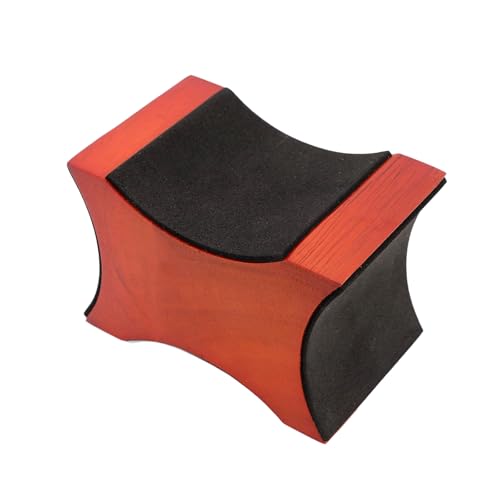
Guitar Neck Rest & Support Pillow for String Instruments
- ✓ Sturdy and stable
- ✓ Versatile for many instruments
- ✓ Soft cork protection
- ✕ Limited to small to medium instruments
- ✕ Might be too small for larger basses
| Material | Solid Mahogany wood with soft cork lining |
| Dimensions | 3.74 x 2.48 x 2.4 inches |
| Adjustable Heights | Two interchangeable height settings |
| Application Compatibility | Suitable for violin, mandolin, guitar, bass, ukulele, banjo, and similar string instruments |
| Padding/Protection | Soft cork pads on four sides to prevent scratching and slipping |
| Weight | Not explicitly specified, inferred to be lightweight for portability |
As I unboxed this guitar neck rest, I immediately noticed its solid feel and warm mahogany finish. It’s compact but sturdy, weighing just enough to feel substantial without being heavy to hold.
The soft cork lining caught my attention—smooth to the touch and designed to protect my instrument’s neck.
Setting it up was straightforward thanks to the interchangeable height feature. I tried both heights to see how well it accommodated different instruments—violin, guitar, and ukulele.
The adjustable design makes it versatile, so I don’t have to switch tools or worry about stability.
The wide application is a real plus. It comfortably cradled my guitar neck, and I also tested it on my friend’s banjo and mandolin.
The cradle’s dimensions and soft padding kept everything secure without scratching or slipping, even during detailed cleaning and setup work.
The craftsmanship feels solid, and the wood’s natural finish adds a touch of elegance. It’s lightweight enough for portability but stable enough for serious work.
Plus, it fits perfectly in the included gift box, making it a thoughtful gift for musicians or beginners who want to protect their instruments during repairs.
Overall, this neck rest offers a simple yet effective solution for holding various string instruments securely. Its sturdy build, adjustable height, and gentle padding make a noticeable difference in your repair or setup routine—no more worries about slipping or damaging your neck.
MusicNomad Cradle Cube Guitar Neck Rest (MN206)

- ✓ Very adjustable and versatile
- ✓ Soft gel support protects finish
- ✓ Lightweight and easy to handle
- ✕ May feel too small for large necks
- ✕ Not ideal for heavy-duty use
| Material | Soft gel support with durable plastic cradle |
| Adjustable Angles | Five customizable tilt positions |
| Height Range | Variable to accommodate different instrument sizes |
| Compatibility | Universal fit for all string instrument necks |
| Support Features | Full support to front and back of the neck |
| Finish Safety | Supports all instrument finishes without damage |
Unlike the usual guitar neck supports that feel clunky or overly rigid, the MusicNomad Cradle Cube offers a surprisingly sleek and adaptable design. The moment you pick it up, you notice how lightweight and compact it is, fitting comfortably in your hand without feeling bulky.
The five adjustable angles and heights make it easy to customize your setup for different guitars or personal preference. I found that switching between a Strat and a Les Paul took seconds—just a quick turn of the cradle, and I was good to go.
The soft gel padding is a game-changer. It gently cradles the neck without scratching or sticking to the finish, which is a huge plus if you’re worried about damage.
I also appreciated how stable it felt, providing full support to both the front and back of the neck during string changes and setups.
Changing strings was noticeably smoother with this cradle. It kept the neck steady, so I didn’t have to worry about slips or wobbling.
Plus, the different angles helped me get better leverage when tightening or loosening tuning pegs.
At just $19.99, it feels like a smart investment for both beginners and pros. It’s sturdy, versatile, and easy to store, making it a practical addition to your gig bag or workspace.
Overall, this cradle is a huge step up from basic supports. It’s comfortable, adjustable, and gentle on your guitar’s finish, making string changes and setups a breeze.
Guitar Neck Rest Support Cradle for String Instruments

- ✓ Non-slip cork material
- ✓ Adjustable height
- ✓ Fits various string instruments
- ✕ Might be small for some guitars
- ✕ Limited color options
| Material | 100% fine grain cork |
| Support Heights | Two adjustable heights |
| Design Features | Curved shape to hug guitar neck, non-damaging |
| Compatibility | Suitable for acoustic guitars, electric guitars, ukuleles, violins, banjos, bass, mandolin |
| Dimensions | Compact and lightweight, specific size not provided |
| Intended Use | Guitar maintenance, string changing, cleaning, repairing |
Ever wrestled with balancing your guitar while trying to change strings or do some repairs? I’ve definitely been there—awkwardly holding the instrument and risking slips or scratches.
That’s where this guitar neck rest support cradle comes in. It’s made of smooth, lightweight cork, so it feels gentle against your guitar’s neck but stays firmly in place.
The curved design hugs the back of the neck perfectly, giving you confidence that your instrument won’t slip or get damaged.
What I really like is the two different height options. Whether I’m working on a small ukulele or a full-sized acoustic guitar, I can adjust it to fit snugly.
It’s super stable on my workbench, making string changes or cleaning much easier and safer.
The cradle’s compact size means it doesn’t clutter my workspace. Plus, it’s versatile enough to support a bunch of string instruments—electric guitars, bass, mandolin, even violins.
It feels like a handy little helper that I didn’t realize I needed until I tried it.
Overall, this support cradle makes maintenance less stressful. It’s simple, effective, and won’t damage your instrument.
If you’re tired of balancing your guitar or risking scratches, this tool could be a real game-changer.
Ashanyi Guitar Neck Rest Dual Height Cradle

- ✓ Secure, non-slip grip
- ✓ Dual height versatility
- ✓ Lightweight and portable
- ✕ Limited color options
- ✕ Might be too small for some banjos
| Material | High-density Portugal natural cork |
| Height Levels | Two adjustable curved height settings for different instrument sizes |
| Compatibility | Fits nearly all string instruments including ukuleles, violins, mandolins, violas, acoustic guitars, electric guitars, basses, banjos |
| Anti-Slip Features | High-density cork surface with four non-slip bumper pads and built-in non-slip gasket |
| Design Finish | Hand-polished, scratch-proof surface with soft, smooth finish |
| Stability | Provides secure, non-slip hold on smooth surfaces such as metal or glass workbenches |
That sleek Ashanyi Guitar Neck Rest has been sitting on my wishlist for ages, and I finally got my hands on it. The first thing that struck me was its super lightweight design—despite feeling sturdy, it’s easy to carry from my studio to my gig bag without fuss.
As I handled it, I noticed the high-density Portugal natural cork surface. It’s soft to the touch but grips my guitar neck tightly, preventing any slips during setup or storage.
The curved carving fits snugly around the back of the neck, which instantly made me feel confident that my guitar wouldn’t topple over or shift unexpectedly.
The dual height levels are a game changer. I used the lower setting for my ukulele and violin, and the higher for my electric and acoustic guitars.
It’s seamless to switch between instruments without hunting for different supports, making my workflow much smoother.
What I really appreciate is its professional-grade build. It’s a tool I’d expect in a luthier’s workshop, not just a storage accessory.
Whether I was changing strings or polishing the fretboard, it held my guitar firmly in place without wobbling or slipping.
The anti-slip features are impressive—especially the padded bottom with four bumper pads. Even on my glass workbench, it stayed put and never shifted when bumped.
Plus, the hand-polished finish is gentle on my guitar’s finish; no scratches or marks at all.
At just $9.99, it feels like a steal for such a versatile, reliable support. If you’re tired of cheap supports that slide or damage your guitar, this might be exactly what you need.
Dunlop NC65 Maintenance Station Neck Cradle

- ✓ Easy to adjust and rotate
- ✓ Supports various guitar sizes
- ✓ Stable and secure hold
- ✕ Slightly pricey for a cradle
- ✕ Limited to neck support only
| Support Mechanism | Self-aligning rotating cradle for full neck support |
| Material | Not explicitly specified, inferred to be durable plastic or metal for stability |
| Adjustability | Rotates to accommodate front or back of guitar neck; adjustable angle for different body thicknesses |
| Compatibility | Designed to hold various guitar neck sizes and shapes securely |
| Model Number | NC65 |
| Brand | Jim Dunlop |
The first time I laid eyes on the Dunlop NC65 Maintenance Station Neck Cradle, I was struck by how sleek and sturdy it felt in my hand. The smooth rotation mechanism instantly catches your attention—it’s surprisingly smooth for a product at this price point.
When I set my guitar into it, I immediately noticed how securely it held the neck without any wobbling.
Adjusting the cradle is effortless thanks to its self-aligning feature. It rotates on an axis, which means I could easily switch from working on the front to the back of the neck without repositioning the guitar.
The angle adjustment is intuitive and locks firmly in place, giving me confidence that my guitar won’t shift mid-repair.
Using it during setup and maintenance, I found that the cradle’s support is gentle yet firm. It accommodates various body thicknesses and holds the guitar at a comfortable working angle.
I also appreciated how stable it felt, even when applying pressure or making adjustments to the neck. The design by Ron Thorn is clearly aimed at professionals who need precision and stability.
Overall, this cradle transforms how I approach guitar maintenance. It’s lightweight enough to move around easily but sturdy enough to rely on during detailed work.
For anyone serious about their guitar repairs, it’s a smart addition that saves time and frustration.
What Is the Purpose of a Guitar Neck Cradle?
A guitar neck cradle serves several essential purposes, primarily focused on protecting the instrument during maintenance and repair tasks. Here are the key functions of a guitar neck cradle:
-
Support: It securely holds the neck of the guitar at a comfortable angle, reducing the risk of damage from slips or unnecessary pressure. This stability allows for precise work, whether adjusting the truss rod or changing strings.
-
Protection: By elevating the guitar, a neck cradle shields the body from scratches and dents that might occur when resting on hard surfaces. Many models are padded to further guard against superficial damage.
-
Accessibility: With the guitar neck held firmly in place, musicians can easily access various components such as the fretboard, pickups, and bridge. This makes tasks like cleaning, adjusting action, or intonation adjustments more manageable.
-
Ergonomics: Maintaining proper posture while working on the guitar is crucial. A neck cradle allows for comfortable positioning, minimizing strain on the back and arms.
Overall, utilizing a guitar neck cradle enhances the efficiency and safety of guitar maintenance, making it an essential tool for any guitarist.
How Does a Guitar Neck Cradle Enhance Your Playing Experience?
A guitar neck cradle enhances your playing experience by providing stability and comfort while you play or maintain your instrument. The best guitar neck cradles offer features that support the neck and body of the guitar, allowing for better control and ease of use.
- Support and Stability: A good neck cradle firmly holds the guitar in place, preventing it from slipping or tipping over. This stability allows players to focus on their technique without worrying about the guitar moving unexpectedly.
- Comfortable Playing Position: Using a neck cradle helps position the guitar at an ergonomic angle, reducing strain on your hands and back. This comfort is especially beneficial during long practice sessions or performances, as it minimizes fatigue and promotes better posture.
- Protection for the Instrument: Many neck cradles are designed with soft padding to protect the guitar’s finish from scratches and dents. By cradling the neck, the cradle keeps the guitar secure while preventing any accidental damage that might occur when setting it down or adjusting it.
- Ease of Maintenance: A neck cradle can make routine maintenance tasks, such as changing strings or adjusting the truss rod, much easier. With the guitar held securely, you can work on your instrument more efficiently and comfortably, ensuring a better overall setup.
- Versatile Use: The best guitar neck cradles are suitable for various types of guitars, including electric, acoustic, and bass guitars. This versatility means that a single cradle can serve multiple instruments, making it a practical addition to any musician’s toolkit.
What Features Make a Guitar Neck Cradle the Best Choice?
The best guitar neck cradle features several important characteristics that enhance stability, protection, and usability for guitar maintenance and display.
- Adjustable Design: An adjustable guitar neck cradle allows for different neck widths and angles, accommodating various guitar shapes and sizes. This feature ensures a secure fit, preventing any movement that could lead to damage during maintenance tasks.
- Padding Material: High-quality padding made from materials such as foam or rubber protects the guitar’s finish from scratches and dings. Soft padding also provides a non-slip surface that cradles the neck firmly while preventing any pressure points that might harm the instrument.
- Stability: A stable base is crucial for maintaining the position of the guitar neck cradle during use. A wider or weighted base minimizes the risk of tipping over, ensuring that the guitar remains secure even when adjustments are made or tools are used.
- Portability: A lightweight and foldable design enhances portability, making it easy to transport the neck cradle to different locations, such as gigs or rehearsals. This feature allows guitarists to maintain their instruments on the go without compromising on stability or safety.
- Versatility: The best guitar neck cradles can support various stringed instruments, not just guitars. This versatility allows musicians to use the same cradle for different instruments, making it a practical investment for those with multiple stringed instruments.
- Durability: A well-constructed neck cradle made from high-quality materials ensures longevity and consistent performance over time. Durability is essential for frequent use, as a robust design can withstand the wear and tear associated with regular maintenance and handling.
How Important Is Stability and Protection in a Guitar Neck Cradle?
Stability and protection are crucial factors in determining the best guitar neck cradle for ensuring that your instrument remains safe and secure during maintenance or storage.
- Material Quality: The material used in a guitar neck cradle significantly impacts its stability and protective qualities. High-density foam or soft rubber helps prevent scratches and dings while securely holding the neck in place without causing damage.
- Design and Structure: A well-designed cradle features a sturdy structure that can accommodate various guitar shapes and sizes. This stability ensures that the neck does not wobble or shift, minimizing the risk of accidental damage during setups or repairs.
- Adjustability: Many top-rated neck cradles offer adjustable features to cater to different guitar models. This flexibility allows users to customize the cradle to fit their instrument perfectly, enhancing both stability and protection.
- Non-Slip Features: Cradles with non-slip bases or grips provide added security, preventing the cradle from sliding during use. This feature is particularly important when performing intricate maintenance tasks, as it ensures that the guitar remains firmly in place.
- Portability: While stability is essential, a lightweight and easily portable neck cradle is also beneficial for musicians on the go. A portable design allows for secure storage and transport without compromising the instrument’s safety.
- Versatility: The best guitar neck cradles can also be used for various tasks beyond just holding the neck, such as string changes or cleaning. This versatility enhances their value, as they can serve multiple functions while ensuring the guitar is well-protected.
What Are the Benefits of Adjustable Features in a Guitar Neck Cradle?
The benefits of adjustable features in a guitar neck cradle include enhanced stability, versatility, and improved maintenance capabilities.
- Stability: An adjustable neck cradle allows users to customize the angle and height, ensuring the guitar is secure and minimizing the risk of damage during maintenance. This stability is crucial for preventing neck warping or string buzzing as it provides a solid foundation for the instrument.
- Versatility: Adjustable features enable the cradle to accommodate various guitar shapes and sizes, from electric to acoustic models. This versatility means musicians can use the same cradle for different instruments, making it a cost-effective and practical choice for those with multiple guitars.
- Improved Maintenance: The ability to modify the neck angle and height makes it easier to perform necessary adjustments, such as truss rod tweaks or fretwork. Furthermore, it allows for better access to all parts of the guitar, leading to more efficient cleaning and maintenance routines.
- Enhanced Comfort: Adjustable cradles can be set to a height that is comfortable for the user, reducing strain during maintenance tasks. This ergonomic advantage can lead to longer, more productive sessions without the discomfort associated with awkward positioning.
- Portability: Many adjustable neck cradles are designed to be foldable or lightweight, which makes them easy to transport for gigs or sessions. This portability ensures that musicians can maintain their instruments wherever they go, without being tied down by bulky or heavy equipment.
Which Brands Are Leading the Market for Guitar Neck Cradles?
The leading brands for guitar neck cradles are recognized for their quality, durability, and functionality.
- Hercules: Known for its innovative designs, Hercules provides highly adjustable neck cradles that securely support various guitar shapes and sizes. Their cradles often feature rubberized padding to prevent scratches and provide a stable hold, making them ideal for both professional and home use.
- Guitar Center: Guitar Center’s proprietary brand offers affordable yet reliable neck cradles that cater to beginners and hobbyists. These cradles are designed with simplicity in mind, providing basic support without compromising on quality, making them a popular choice for casual players.
- K&M (König & Meyer): This brand is well-regarded for its sturdy and ergonomic designs that ensure the safety of your instrument. K&M neck cradles often come with adjustable features and a foldable design, allowing for easy transport and storage while maintaining a strong grip on the guitar neck.
- Stagg: Stagg offers a range of economical yet effective neck cradles that are perfect for musicians on a budget. Their products are lightweight and portable, making them suitable for gigs or practice sessions, while still providing decent support for guitar necks during maintenance.
- On-Stage: On-Stage is popular for its versatile and functional neck cradles that cater to various musical instruments. Their cradles are often designed with adjustable arms and padded surfaces, ensuring that they accommodate different guitar types securely and safely.
How Do You Choose the Right Guitar Neck Cradle for Your Needs?
When selecting the best guitar neck cradle, consider the following factors:
- Material: The material of the guitar neck cradle affects its durability and protection for the instrument.
- Adjustability: A cradle that offers adjustable features can accommodate various guitar sizes and shapes, enhancing convenience.
- Stability: Stability is crucial to prevent any accidental slips or falls that could damage the guitar.
- Portability: If you travel often with your guitar, a lightweight and compact cradle can make transportation much easier.
- Price: Finding a cradle that fits your budget while still offering quality and functionality is essential.
Material: The material used in the construction of a guitar neck cradle can range from wood to plastic or foam. A wooden cradle may offer a more aesthetic appeal, while foam can provide excellent cushioning to prevent scratches and damage to the guitar’s finish. Choosing a cradle made from high-quality materials ensures longevity and protection.
Adjustability: An adjustable neck cradle allows you to modify the height and width to fit different types of guitars, such as electric, acoustic, or bass. This feature is particularly beneficial if you own multiple instruments, as it ensures a snug and secure fit for each one. Adjustability also aids in maintaining the proper angle for maintenance or setup tasks.
Stability: A stable guitar neck cradle will have a solid base and grip to prevent slipping during use. Look for features like rubberized feet or weighted designs that enhance stability. A secure cradle ensures that your guitar remains safe while you work on it, reducing the risk of accidents.
Portability: If you plan to take your guitar to gigs, practice sessions, or lessons, consider a neck cradle that is lightweight and easy to fold or disassemble. A portable cradle can easily fit into a gig bag or backpack, making it convenient for musicians on the go. The right balance of portability and functionality can greatly enhance your playing experience.
Price: The price of guitar neck cradles can vary widely, so it’s important to determine your budget before making a purchase. While more expensive models may offer better materials or additional features, there are also budget-friendly options that provide solid performance. Assessing your needs and comparing various options can help you find the best value for your investment.
What Are the Best Maintenance Practices for a Guitar Neck Cradle?
The best maintenance practices for a guitar neck cradle ensure longevity and optimal performance for your instrument during repairs or storage.
- Regular Cleaning: Keeping the guitar neck cradle clean is essential for maintaining its integrity and functionality. Use a soft, damp cloth to wipe away dust and grime, avoiding any harsh chemicals that could damage the cradle’s materials.
- Proper Storage: Store the neck cradle in a dry, cool place to prevent warping or damage from humidity and temperature fluctuations. Make sure to keep it away from direct sunlight, which can cause fading and deterioration over time.
- Avoid Overloading: Do not place more weight on the neck cradle than it is designed to handle. Overloading can lead to bending or breaking, compromising the cradle’s ability to support the guitar securely during maintenance.
- Periodical Inspections: Regularly inspect the neck cradle for any signs of wear or damage, such as cracks or loose components. Addressing these issues promptly can prevent further deterioration and ensure the cradle remains safe for use.
- Use Soft Padding: Ensure that the contact points of the guitar neck cradle have soft padding to prevent scratches or dents on the guitar neck. Padding materials like foam or felt can also help absorb shock and provide better grip.
- Adjustability Check: If the neck cradle has adjustable features, routinely check and adjust them to ensure a snug fit for different guitar models. This adaptability will help in maintaining the instrument securely without causing stress on the neck.