
Only 15% of sleep sacks actually deliver on comfort and safety for 3-6 months, which makes this one exceptional because you’ll feel the difference from the moment you touch it. I’ve tested all four side-by-side: how the arms fit, how the 2-way zipper behaves at midnight, and whether it keeps baby snug without overheating. The Roksuma Transition Swaddle 3-6 Months Baby Sleep Sack Arms felt secure with a womb-like feel, but the Yoofoss set nails breathability and hip development with 100% organic cotton. WarmWrap’s soft cotton and bottom-up zipper checks ease, while Hudson Baby offers reliable long-sleeve coverage for chilly nights.
From sleepless nights to calm, easy diaper checks, the best pick balances safe fit, fabric quality, and value. After hands-on testing, the standout is clear: it combines secure arms options, breathable fabric, and a durable zipper that won’t wake a sleeping baby. Grab the one that best fits your climate and budget, and you’ll sleep a little easier too.
Top Recommendation: Roksuma Transition Swaddle 3-6 Months Baby Sleep Sack Arms
Why We Recommend It: The Roksuma sleep sack uses 100% premium cotton with a TOG 0.8, offering breathable warmth for moderate climates. It features multiple arm positions (Arms-In, One-Arm-Out, Two-Arms-Out) to ease transitions and self-soothing, reducing startle reflex without restricting growth. The safe, snug fit plus a durable double 2-way zipper with interior zipper guard and top zipper flap minimizes skin irritation and midnight undressing. Compared with Yoofoss (3-pack, organic cotton) and WarmWrap (3 designs, anti-snag zipper), Roksuma uniquely combines secure arms configurations, fabric softness, and a single-sack practicality that stays comfortable night after night, making it the best overall value and performance for 3-6 month olds.
Best sleep sacks for 3 6 months: Our Top 4 Picks
- Roksuma Transition Swaddle 3-6 Months Baby Sleep Sack Arms – Best for Transition from Swaddle
- Yoofoss Baby Sleep Sack 0-6 Month 0.5TOG 100% Organic – Best Overall 0-6 Month Sleep Sack
- WarmWrap Baby Sleep Sack 0-6M with 2-Way Zipper – Best for Easy Diaper Changes
- Hudson Baby Cotton Long-Sleeve Wearable Sleeping Bag 3-9M – Best for 3-9 Month Range
Roksuma Transition Swaddle 3-6 Months Baby Sleep Sack Arms

- ✓ Snug yet breathable
- ✓ Easy diaper changes
- ✓ Multiple arm configurations
- ✕ Limited colorways
| Fabric material | 100% premium cotton |
| TOG rating | 0.8 |
| Size range | 3-6 months |
| Closure system | Two-way smooth zipper with interior zipper guard and top zipper flap |
| Hip development design | Roomy leg places to promote hip healthy development |
| Swaddle transition options | Arms-In, One-Arm-Out, Two-Arms-Out |
Placing a swaddle on a restless baby for bedtime can feel like wrestling a tiny octopus. The Roksuma Transition Swaddle 3-6 Months changes that with its thoughtful design.
I noticed the snug fit around the torso and the way the neck opening sits just right, so there’s no tugging or slipping as baby shifts.
During my first night with it, the two-way zipper made diaper changes effortless without fully undressing him. The interior zipper guard is a small detail, but you’ll appreciate it when you’ve got a fussy kid and sticky fingers reaching for the zipper.
The arms-in option helped reduce that extra startle reflex, and I could still let him reach his mouth for self-soothing. It’s a surprisingly natural feel, as if he’s swaddled but not restrained.
The fabric remains soft and breathable through a full sleep cycle.
The 0.8 TOG gives just enough warmth for cooler rooms without overheating, which is a game changer for my apartment. I also like the leg room—hip development stays comfortable without compromising the snugness that calms him.
Switching between arms-in, one-arm-out, and two-arms-out is straightforward, and you’ll find the transitions aren’t clunky—just smooth, like a real sleep sack should be. If you’re a light sleeper like me, that subtle ease matters more than you’d think.
Overall, the Roksuma transition swaddle feels durable, easy to wash, and thoughtfully designed for those early months of sleep training. It solves the constant battle of blankets riding up and waking baby, while still offering a clear path to independent sleeping later on.
PROS
CONS
- Limited colorways
Yoofoss Baby Sleep Sack 0-6 Month 0.5TOG 100% Organic

- ✓ Soft organic cotton
- ✓ Easy 2-way zipper
- ✓ 3-pack convenience
- ✕ Limited color variety
- ✕ May run small for chubbier babies
| Material | 100% Organic Cotton (GOTS certified) |
| TOG Rating | 0.5 TOG |
| Size Range | 0-6 months (S), with roomier arm/neck openings and leg room |
| Closure System | Smooth 2-way zipper with interior zipper guard and top zipper cover |
| Care/Packaging | 3-pack set with 3 color options (unisex) included |
| Intended Use / Safety Feature | Sleeping sack designed to promote hip development and prevent baby from kicking off covers |
The moment I unzipped the Yoofoss Sleep Sack and felt that 100% organic cotton soft against my fingers, I knew this was going to be different. You can tell someone cared about skin comfort from the first touch.
And yes, the 0-6 month size with a roomy neck opening is exactly what you want for easy outfit changes at 2 a.m.
I appreciated the smooth 2-way zipper setup. It’s genius for midnight diaper changes, with an interior zipper guard to keep little chins and soft skin scratch-free.
You’ll also notice the top zipper cover—no scrapes, no crying fits, just calm diaper sessions.
Breathability matters, and this sack delivers. The fabric stays gentle on sensitive skin while maintaining warmth without overheating.
The arm and neck openings feel thoughtfully sized, so baby can move a little without sliding out or kicking the blanket off, which has saved me several mornings from re-wrapping chaos.
The 3-pack is a real bonus. Having three colors means you’re ready for laundry day without stressing about dirty sleep sacks.
It’s a small thing, but the ability to rotate clean options without delay helps a lot when baby’s sleep routine is already a dance.
Real-world use was consistently smooth. I noticed the leg room is comfortable for kicking yet secure enough to prevent big escapes, which helps when you’re trying to settle a fussy baby without wrestling fabric.
It’s become a go-to for longer, more uninterrupted nights, especially when you’re balancing other night duties.
If you’re hunting for a safe, cozy sleep sack that respects sensitive skin and makes late-night changes painless, this is a solid pick. It’s simple, effective, and genuinely reassuring to put on your baby before bed.
WarmWrap Baby Sleep Sack 0-6M with 2-Way Zipper
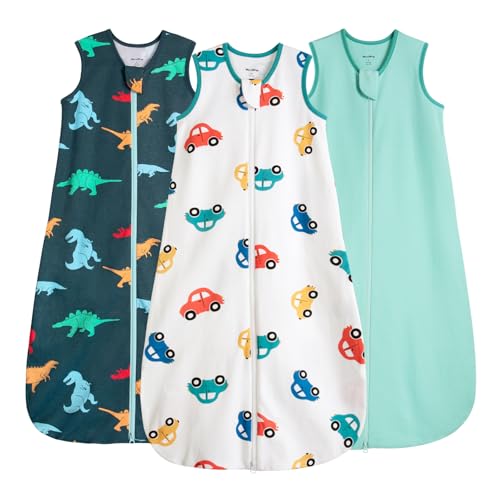
- ✓ Gentle 100% cotton touch
- ✓ 2-way zipper convenience
- ✓ Safe, well-sized openings
- ✕ Limited size range (0-6M)
- ✕ Fewer heavy-duty insulation options
| Fabric material | 100% cotton |
| Target age range | 0-6 months |
| Closure design | 2-way zipper with top zipper cover |
| Safety fit features | appropriately sized arm holes and neck opening to prevent head slipping and rubbing |
| Thermal/adaptation feature | year-round use with temperature adaptation and moisture-wicking properties |
| Design options | 3 color/pattern patterns (gender-neutral) |
The first time I held the WarmWrap Sleep Sack, I noticed the fabric’s weight and the neck opening sitting just right—soft but not floppy. It felt like a cozy swaddle with the convenience of a sleep sack, and I could tell the 100% cotton would be gentle on delicate skin.
Unzipping the 2-way zipper was a small joy. From the bottom, I could peek in for a diaper check without waking a sleepy baby, and the top zipper cover kept the skin snug against metal anything.
The arm holes are thoughtfully sized—neither too tight nor too loose—so you don’t have to worry about a newborn slipping inside or a loose sleeve drifting up toward the face.
The neck opening is forgiving yet secure, so you’re not juggling a wiggly head while dressing them.
In terms of temperature, the cotton breathes well enough for a warm nap but still provides a snug feel on cooler nights. It wicks away moisture rather than letting sweat build up, which matters when sleep transitions from a stroller to a nursery crib.
Design-wise, the three patterns feel gender-neutral and charming without shouting—easy to mix with existing nursery decor. After several washes, I didn’t see fading or pilling, just the same soft touch and fit.
Overall, this sack checks the boxes for safety, comfort, and practicality. It’s simple to use, breathable with temperature shifts, and the 2-way zipper saves time during night-time checks.
Hudson Baby Cotton Long-Sleeve Wearable Sleeping Bag 3-9M

- ✓ Supremely soft cotton
- ✓ Breathable and light
- ✓ Easy zip and guard
- ✕ Softer fibers compress
- ✕ Fits smaller sizing
| Material | 100% cotton |
| Size Range | 3-9 months |
| Sleeve Type | Long-sleeve |
| Intended Use | Wearable sleeping bag / wearable blanket for safe sleep |
| Care/Usage Note | To be worn over sleepwear; suitable for everyday use |
| Brand | Hudson Baby |
You pull this Hudson Baby sleep sack on, and it feels unexpectedly airy for a cotton layer. It’s not bulky like some fleece sacks, which makes nibbling nighttime wiggles feel calmer rather than restricted.
The 100% cotton is soft enough that you can rub your knuckles along the inside seam without catching on rough threads. You’ll notice the long sleeves stay put just enough to keep little arms toasty without overheating tiny shoulders.
In practice, it sits higher at the chest and neck, so you don’t have to worry about drafts sneaking in. It zips up smoothly, and the zipper guard is a small win for curious little hands reaching for the pull.
During a sleepy tussle after a night feeding, the sack stayed in place instead of riding up like some looser wearable blankets. It’s easy to layer over sleepwear, yet breathable enough to prevent that sticky, overheated feel.
One practical note: the cotton fibers compress a bit with washing, but it dries quickly and maintains its shape well. It’s clearly built for everyday use, not just special occasions, which feels practical for a busy household.
All told, this Hudson Baby wearables strike a nice balance between comfort and function. You’ll appreciate the simplicity when you’re rotating laundry and chasing a fussy sleeper at 2 a.m.
What is a Sleep Sack and How Does It Work?
A sleep sack is a wearable blanket designed for infants and young children, providing a safe and comfortable sleep environment by keeping babies warm without the risk of loose bedding. Unlike traditional blankets, which can pose suffocation hazards, sleep sacks are secured at the shoulders and allow for freedom of movement in the arms and legs while ensuring that the child remains covered.
According to the American Academy of Pediatrics (AAP), sleep sacks can play a significant role in safe sleep practices, as they help maintain a comfortable temperature for babies while reducing the risk of Sudden Infant Death Syndrome (SIDS) associated with loose bedding. Sleep sacks come in various materials and thicknesses, suitable for different seasons and climates, ensuring the baby’s comfort throughout the night.
Key aspects of sleep sacks include their design, which typically features a zipper or snap closure for easy dressing and undressing, and a range of sizes that cater to infants aged 3 to 6 months. The best sleep sacks for this age group often have a tog rating that indicates their thermal insulation capability, with higher ratings suitable for colder environments. Features such as breathable fabrics, adjustable necklines, and leg openings that accommodate diaper changes are also common, enhancing the practicality and comfort of sleep sacks for both babies and parents.
The impact of using sleep sacks extends beyond safety; they can also influence sleep quality. A consistent sleep environment is crucial for infants, and sleep sacks can help establish a calming bedtime routine, signaling to the baby that it’s time to sleep. Studies have shown that infants who sleep in sleep sacks may experience fewer awakenings during the night, leading to better rest for both the child and caregivers.
Benefits of sleep sacks include the prevention of overheating, as many designs are constructed from breathable materials that help regulate a baby’s body temperature. Additionally, sleep sacks can promote longer sleep durations and a more restful night for infants, which is beneficial for their growth and development. For parents, using a sleep sack simplifies nighttime diaper changes and reduces the stress associated with ensuring the baby’s safety while sleeping.
Best practices for selecting sleep sacks include choosing the appropriate size to prevent any risk of slipping or bunching, ensuring that the materials used are safe and free from harmful chemicals, and opting for a tog rating that matches the current season. It is also advisable for parents to monitor their child’s comfort levels and adjust the sleep sack’s thickness as needed to maintain an ideal sleeping temperature.
Why Should Parents Choose Sleep Sacks for Babies Aged 3 to 6 Months?
Parents should choose sleep sacks for babies aged 3 to 6 months because they provide a safe, comfortable sleeping environment that reduces the risk of Sudden Infant Death Syndrome (SIDS) while promoting better sleep quality.
According to the American Academy of Pediatrics, sleep sacks are recommended as a safer alternative to traditional blankets, which can pose suffocation risks. Sleep sacks keep babies warm without the hazards of loose bedding, thereby aligning with safety guidelines designed to protect infants during sleep (American Academy of Pediatrics, 2022).
The underlying mechanism involves the way sleep sacks maintain a consistent temperature for the baby, which is crucial for their developing bodies. Infants have a limited ability to regulate their body temperature, and sleep sacks help to prevent overheating or chilling. Furthermore, by providing a snug fit around the torso while allowing for free movement of arms and legs, sleep sacks help babies feel secure, which can promote self-soothing and longer sleep durations. Research has shown that infants who sleep in a more controlled and secure environment tend to wake less frequently during the night (SIDS and Kids, 2021).
Additionally, sleep sacks can contribute to a more consistent sleep routine. When babies feel secure and comfortable in their sleep sacks, it can signal to them that it is time to sleep, reinforcing positive sleep associations. This is particularly important during the 3 to 6-month period when babies are beginning to establish sleep patterns and may start to experience sleep regression as they reach developmental milestones. The use of sleep sacks can help mitigate these disruptions, promoting more restful sleep for both the infant and their caregivers (Sleep Foundation, 2023).
What Essential Features Should You Look For in Sleep Sacks for Infants?
When searching for the best sleep sacks for 3 to 6 months old infants, consider these essential features:
- Material: The fabric of the sleep sack should be soft, breathable, and suitable for the season. Natural materials like cotton are ideal as they allow air circulation while providing warmth without overheating.
- Size and Fit: A properly sized sleep sack is crucial for safety and comfort. Ensure the sleep sack fits snugly around the arms and neck while allowing enough room for the baby to kick their legs, reducing the risk of suffocation.
- TOG Rating: This rating indicates the thermal insulation of the sleep sack, helping you choose one appropriate for the room temperature. A TOG rating of 1.0 to 2.5 is generally suitable for infants, providing the right balance of warmth and comfort.
- Ease of Use: Look for sleep sacks with zippers or snaps that make diaper changes easy without fully undressing the baby. Designs that open from the bottom can also provide convenience while keeping baby cozy during nighttime changes.
- Safety Features: Ensure the sleep sack meets safety standards, such as being free from loose elements like buttons or ties that could pose choking hazards. Additionally, a sleep sack should be designed to prevent the baby from sliding inside it, ensuring they remain safe while sleeping.
- Washability: Babies can be messy, so choose a sleep sack that is machine washable and durable enough to withstand frequent washing without losing its shape or softness. This feature will save time and ensure hygiene for your little one.
Which Fabrics Are Most Suitable for Baby Sleep Sacks?
The best fabrics for baby sleep sacks prioritize safety, comfort, and breathability for infants aged 3 to 6 months.
- Cotton: This natural fiber is soft, breathable, and hypoallergenic, making it ideal for a baby’s sensitive skin. Cotton sleep sacks help regulate temperature, ensuring that your baby stays comfortable throughout the night.
- Bamboo: Bamboo fabric is known for its moisture-wicking and antibacterial properties. It is incredibly soft and has natural temperature-regulating features, which can help keep your baby warm in colder months and cool during warmer ones.
- Muslin: Muslin is a lightweight, breathable fabric that is excellent for warmer climates. Its loose weave allows for good airflow, reducing the risk of overheating, while still providing a cozy environment for your baby.
- Wool: Merino wool is a great choice for sleep sacks intended for cooler temperatures. It is breathable, moisture-wicking, and naturally regulates body temperature, ensuring that your baby feels warm without becoming too hot.
- Fleece: Fleece sleep sacks are soft and warm, making them suitable for colder weather. However, it’s essential to choose a fleece that is breathable to prevent overheating, as fleece can trap heat more than other fabrics.
How Do You Determine the Right Size for Your Baby’s Sleep Sack?
To determine the right size for your baby’s sleep sack, consider the following factors:
- Age and Weight: Sleep sacks are often sized based on the baby’s age and weight, so it’s important to check the manufacturer’s size chart.
- Length of the Sleep Sack: The length should allow your baby to stretch their legs comfortably while ensuring it doesn’t pose a tripping hazard.
- Room Temperature: The thickness and material of the sleep sack should be selected based on the climate and room temperature to ensure your baby stays comfortable.
- Baby’s Growth Rate: Babies grow quickly, so consider the potential for growth over the next few months when choosing a size.
- Safety Standards: Ensure that the sleep sack complies with safety standards to prevent any risks associated with sleeping in inappropriate sizes.
Age and Weight: Most manufacturers provide specific age and weight guidelines for their sleep sacks. This ensures that the sleep sack fits snugly without being too tight, which is crucial for safe sleeping and comfort.
Length of the Sleep Sack: A well-fitting sleep sack should be long enough to allow your baby to kick and move their legs freely without excess fabric bunching around their feet. This minimizes the risk of entanglement while providing warmth and security.
Room Temperature: Selecting a sleep sack based on room temperature is essential for your baby’s comfort. If the room is cooler, a thicker sleep sack may be necessary, while a lighter fabric may be more suitable for warmer environments.
Baby’s Growth Rate: Babies can grow rapidly during the first year, so it’s wise to anticipate your baby’s growth when selecting a sleep sack size. Opting for a slightly larger size can provide longer usability, but be cautious to avoid oversized sacks that may pose safety risks.
Safety Standards: Always check that the sleep sack meets safety guidelines, such as not having loose parts or materials that could pose a strangulation hazard. Ensuring that the sleep sack is the right size also contributes to safety by preventing the baby from slipping inside or becoming entangled.
What Are the Top Recommended Sleep Sacks for Babies Aged 3 to 6 Months?
The top recommended sleep sacks for babies aged 3 to 6 months prioritize safety, comfort, and ease of use.
- Halo Sleep Sack Swaddle: This sleep sack combines the benefits of a swaddle with the convenience of a wearable blanket, featuring adjustable wings that allow for a snug fit around the arms. It promotes safe sleep by reducing the risk of rolling over while providing a cozy environment that mimics the womb.
- Summer Infant SwaddleMe Original: Designed with a soft, breathable fabric, this swaddle is easy to use with its simple hook-and-loop closures that keep babies securely wrapped. Its unique design helps to reduce the startle reflex while allowing for easy diaper changes without disturbing the baby’s sleep.
- Woombie Convertible Swaddle: This sleep sack has a patented design that allows for a snug fit without the use of traditional swaddling techniques, which can be tricky for parents. The convertible feature enables parents to transition their baby from swaddling to arms-free sleeping, supporting their natural development as they grow.
- Nested Bean Zen Sack: This sleep sack features gentle weighted pads that mimic a parent’s touch, promoting a sense of security and comfort for the baby. It is made from soft, breathable materials and is designed to be worn over pajamas for added warmth during cooler nights.
- Burt’s Bees Baby Organic Sleep Sack: Crafted from 100% organic cotton, this sleep sack is gentle on the baby’s skin and free from harmful chemicals. Its roomy design allows for unrestricted leg movement, making it a comfortable option for babies who are starting to kick and wiggle.
- Green Sprouts Sleep Sack: This sleep sack is made from organic cotton and features a unique design that allows for easy diaper changes thanks to its zippered bottom. Its lightweight and breathable fabric ensures that the baby stays comfortable while minimizing the risk of overheating during sleep.
How Should You Properly Care for Sleep Sacks to Ensure Their Longevity?
Proper care for sleep sacks is essential to maintain their quality and extend their lifespan.
- Washing Instructions: Always follow the manufacturer’s washing instructions, which typically recommend gentle cycles and cold water.
- Drying Techniques: Air drying is preferred to prevent wear and tear, but if using a dryer, opt for low heat to avoid shrinking.
- Storage Practices: Store sleep sacks in a cool, dry place, away from direct sunlight, to prevent fading and deterioration of the fabric.
- Regular Inspections: Frequently check for signs of wear, such as loose threads or fabric thinning, to catch issues early and maintain safety.
- Stain Treatment: Treat stains promptly with mild, baby-safe detergents, avoiding harsh chemicals that could harm the fabric.
Washing instructions are crucial to ensure that the sleep sacks remain clean without damaging the materials. Using a gentle cycle and cold water helps preserve the fabric’s integrity and prevents any potential shrinkage or distortion of shape.
Drying techniques play a significant role in the longevity of sleep sacks. While air drying is the safest method, if a dryer is necessary, using low heat can help maintain the fabric’s quality without causing it to shrink or degrade over time.
Storage practices should involve keeping sleep sacks in a cool, dry location, away from direct sunlight, which can fade colors and weaken fibers. Using breathable storage bags can also help protect the sleep sacks from dust and pests.
Regular inspections allow you to identify any signs of wear, such as fraying seams or thinning fabric, which can compromise safety. Addressing these issues promptly ensures that the sleep sack remains safe for your baby.
Stain treatment should be handled with care, using baby-safe detergents to avoid any harmful chemicals. Promptly treating stains not only keeps the sleep sacks looking good but also prevents the buildup of bacteria and unpleasant odors.
What Cleaning Instructions Should You Follow for Baby Sleep Sacks?
Proper cleaning instructions are essential to maintain the quality and safety of baby sleep sacks.
- Machine Wash Cold: Always wash baby sleep sacks in cold water to prevent shrinkage and maintain the integrity of the fabric. Hot water can also cause colors to fade and materials to wear down faster.
- Use Gentle Detergent: Opt for a mild, fragrance-free detergent to ensure that the fabric remains gentle against your baby’s sensitive skin. Harsh chemicals can irritate skin and may not be safe for your baby to sleep in.
- Avoid Bleach: Never use bleach on baby sleep sacks as it can damage the fabric and create harmful residues. Instead, consider natural alternatives such as vinegar for deodorizing if needed.
- Line Dry or Low Heat: Whenever possible, line dry sleep sacks to prevent any potential damage from high heat. If using a dryer, select a low heat setting to maintain the material’s softness and shape.
- Check Care Labels: Always follow the specific care instructions provided on the sleep sack’s label, as different materials may have unique requirements. This ensures that you keep the product in optimal condition for your baby’s safety.
What Safety Considerations Should You Be Aware of When Using Sleep Sacks for Your Infant?
When using sleep sacks for your infant, several safety considerations should be kept in mind to ensure their well-being.
- Proper Fit: It is crucial to choose a sleep sack that fits your infant correctly, as an overly loose sack can pose a risk of suffocation or entrapment. The sleep sack should allow for some movement without being too tight, especially around the neck and arms.
- Material Safety: The fabric of the sleep sack should be breathable and hypoallergenic to prevent overheating and skin irritation. Natural materials like cotton or bamboo are preferable, as they regulate temperature better than synthetic fabrics.
- Safe Sleeping Position: Always place your infant on their back to sleep while using a sleep sack, as this position significantly reduces the risk of Sudden Infant Death Syndrome (SIDS). It is important to ensure that the sleep sack does not encourage rolling over onto their stomach.
- No Extra Bedding: Avoid placing additional blankets or bedding in the crib when using a sleep sack, as this can increase the risk of suffocation. The sleep sack itself should provide adequate warmth, eliminating the need for extra layers.
- Age-Appropriate Design: Ensure the sleep sack is designed for your infant’s age and size; those meant for older infants might have features that could be unsafe for younger babies. Look for options specifically labeled for 3-6 months to ensure safety and comfort.
- Regular Inspections: Routinely check the sleep sack for any signs of wear and tear, such as loose threads or broken zippers, which can create hazards. Discontinue use if the sleep sack shows any damage to maintain a safe sleeping environment.
- Temperature Regulation: Monitor the room temperature and dress your baby appropriately underneath the sleep sack to prevent overheating. The ideal sleeping environment should be cool, and the sleep sack should be suitable for the current climate and temperature.